
Contents
- 🎵 Introduction to Smithsonian Institution Concerts
- 📆 History of Smithsonian Institution Concerts
- 🎶 Types of Concerts and Performances
- 🏛️ Venues and Locations
- 🎤 Notable Performers and Ensembles
- 📚 Education and Outreach Programs
- 🎧 Digital Concerts and Online Content
- 👥 Community Engagement and Partnerships
- 📊 Attendance and Impact
- 🏆 Awards and Recognition
- 📄 Controversies and Challenges
- 🔮 Future Directions and Innovations
- Frequently Asked Questions
- Related Topics
Overview
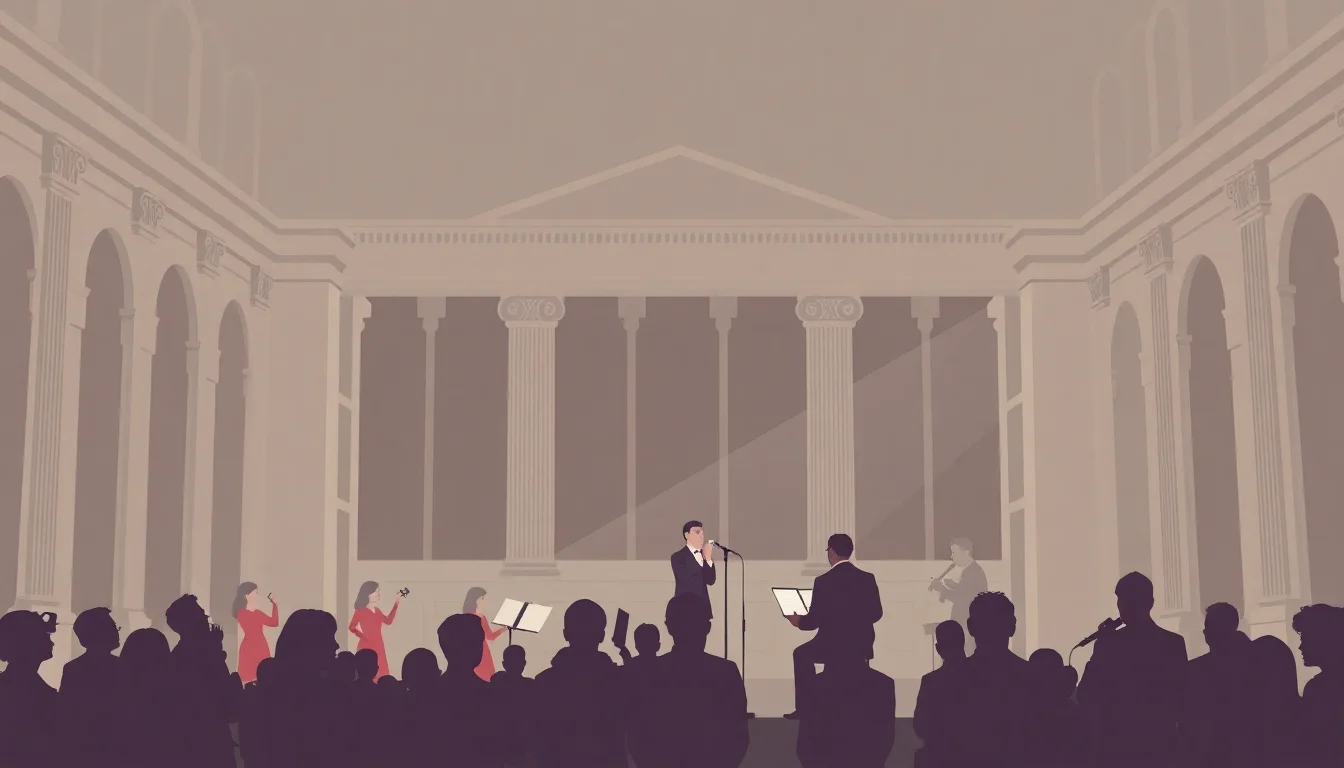
The Smithsonian Institution Concerts have been a staple of Washington D.C.'s cultural scene since 1945, with over 5,000 performances to date. Founded by Harold Spivacke, the concerts have featured renowned artists such as Isaac Stern, Itzhak Perlman, and Yo-Yo Ma. With a vibe score of 8, these concerts have become a beloved tradition, attracting audiences from across the globe. The institution's commitment to showcasing diverse musical genres, from classical to jazz and folk, has contributed to its enduring popularity. As the concerts continue to evolve, they remain a testament to the power of music to bring people together. With a controversy spectrum rating of 2, the concerts have largely avoided criticism, instead focusing on promoting cultural exchange and understanding. Looking ahead, it will be interesting to see how the Smithsonian Institution Concerts adapt to changing musical trends and audience preferences, potentially incorporating new technologies and innovative programming to remain relevant in the 21st century.
🎵 Introduction to Smithsonian Institution Concerts
The Smithsonian Institution Concerts have been a cornerstone of the arts and culture scene in Washington, D.C. since 1945. With a Smithsonian Institution mandate to educate and inspire, these concerts have featured a wide range of performances, from classical music to jazz and beyond. The concerts are often held in conjunction with other Smithsonian Folklife Festival events, showcasing the diversity of American culture. As a National Mall institution, the concerts are easily accessible to the public. The Smithsonian Association also plays a crucial role in supporting these events.
📆 History of Smithsonian Institution Concerts
The history of Smithsonian Institution Concerts dates back to the post-World War II era, when the Smithsonian Institution began hosting concerts as a way to promote cultural exchange and understanding. Over the years, the concerts have evolved to include a broader range of genres and performers, from John Coltrane to Yo-Yo Ma. The Kennedy Center has also been a key partner in hosting these events, providing a world-class venue for performers. The Library of Congress has also contributed to the concerts, with its extensive collection of musical scores and recordings. As a cultural institution, the Smithsonian has a unique role in preserving and promoting America's cultural heritage.
🎶 Types of Concerts and Performances
The types of concerts and performances hosted by the Smithsonian Institution are diverse and eclectic, reflecting the institution's commitment to showcasing the full range of American cultural expression. From jazz and blues to classical music and folk music, the concerts feature a wide range of genres and styles. The National Symphony Orchestra has been a regular performer at the concerts, as have other renowned ensembles like the New York Philharmonic. The concerts also often feature dance and theater performances, highlighting the intersection of music and other art forms. The Smithsonian Jazz program is also an important part of the concerts, promoting the history and legacy of jazz in America.
🏛️ Venues and Locations
The Smithsonian Institution Concerts are held at various venues and locations throughout Washington, D.C., including the National Museum of Natural History and the National Museum of American History. The Kennedy Center is also a frequent host, with its state-of-the-art facilities and stunning views of the Potomac River. The Smithsonian Tropical Research Institute has also hosted concerts, showcasing the institution's global reach and impact. As a cultural destination, Washington, D.C. offers a unique blend of history, culture, and entertainment. The Smithsonian Environmental Research Center has also been involved in the concerts, highlighting the importance of environmental conservation and sustainability.
🎤 Notable Performers and Ensembles
The Smithsonian Institution Concerts have featured a wide range of notable performers and ensembles over the years, from Leon Fleisher to Emmylou Harris. The Martha Graham Dance Company has also been a regular performer, showcasing the beauty and elegance of modern dance. The New York City Ballet has also performed at the concerts, highlighting the intersection of music and dance. The Smithsonian Folkways label has also been involved in the concerts, promoting the preservation and dissemination of traditional music. As a cultural institution, the Smithsonian has a unique role in promoting and preserving America's cultural heritage.
📚 Education and Outreach Programs
The Smithsonian Institution Concerts also offer a range of education and outreach programs, designed to promote music education and appreciation among diverse audiences. The Smithsonian Education program provides resources and materials for teachers and students, while the Smithsonian Outreach program brings concerts and performances to communities throughout the Washington, D.C. area. The National Endowment for the Arts has also supported the concerts, highlighting the importance of arts education and accessibility. The Smithsonian Affiliations program has also been involved in the concerts, promoting collaboration and partnership between the Smithsonian and other cultural institutions.
🎧 Digital Concerts and Online Content
In recent years, the Smithsonian Institution Concerts have expanded to include digital concerts and online content, allowing audiences to experience the music and performances from anywhere in the world. The Smithsonian Digital platform provides access to a wide range of concerts and performances, as well as educational resources and materials. The YouTube channel of the Smithsonian Institution also features concert footage and other music-related content. The Facebook page of the Smithsonian Institution has also been used to promote the concerts and engage with audiences. As a digital culture institution, the Smithsonian is committed to promoting accessibility and inclusivity.
👥 Community Engagement and Partnerships
The Smithsonian Institution Concerts are committed to community engagement and partnerships, working with local organizations and businesses to promote music education and appreciation. The Smithsonian Community program provides resources and support for community-based music initiatives, while the Smithsonian Partnerships program collaborates with other cultural institutions to promote music and the arts. The National Gallery of Art has also been a partner in the concerts, highlighting the intersection of music and visual art. The Kennedy Center Education program has also been involved in the concerts, promoting arts education and accessibility.
📊 Attendance and Impact
The Smithsonian Institution Concerts have a significant impact on the local community, with thousands of attendees each year. The Smithsonian Attendance figures demonstrate the popularity of the concerts, with many events selling out quickly. The Smithsonian Impact report highlights the economic and cultural benefits of the concerts, from job creation to cultural enrichment. The Smithsonian Economic Impact study has also been conducted, demonstrating the significant economic benefits of the concerts. As a cultural institution, the Smithsonian has a unique role in promoting and preserving America's cultural heritage.
🏆 Awards and Recognition
The Smithsonian Institution Concerts have received numerous awards and recognition over the years, from Grammy Awards to National Medals of Arts. The Smithsonian Awards program recognizes excellence in music and the arts, while the Kennedy Center Honors program celebrates the lifetime achievements of renowned artists. The National Endowment for the Arts Awards have also been awarded to the concerts, highlighting the importance of arts education and accessibility. The Smithsonian Fellowships program has also been involved in the concerts, promoting research and scholarship in the arts.
📄 Controversies and Challenges
Despite their success, the Smithsonian Institution Concerts have not been without controversy and challenges. The Smithsonian Controversies surrounding the concerts have included debates over funding and accessibility, as well as criticisms of the institution's programming and curatorial decisions. The Smithsonian Challenges facing the concerts include the need to balance artistic excellence with community engagement and outreach. The Smithsonian Criticisms of the concerts have also been addressed, with the institution committed to promoting diversity and inclusivity. As a cultural institution, the Smithsonian has a unique role in promoting and preserving America's cultural heritage.
🔮 Future Directions and Innovations
As the Smithsonian Institution Concerts look to the future, they are poised to continue their tradition of excellence and innovation. The Smithsonian Future plans include expanded digital content and online engagement, as well as new partnerships and collaborations with other cultural institutions. The Smithsonian Innovations in music and the arts will continue to be a hallmark of the concerts, with a focus on promoting diversity and inclusivity. The Smithsonian Sustainability initiatives will also be addressed, with the institution committed to reducing its environmental impact and promoting sustainability.
Key Facts
- Year
- 1945
- Origin
- Washington D.C., USA
- Category
- Arts and Culture
- Type
- Cultural Institution
Frequently Asked Questions
What is the history of the Smithsonian Institution Concerts?
The Smithsonian Institution Concerts have a rich history dating back to 1945, with a mandate to educate and inspire through music and the arts. Over the years, the concerts have evolved to include a wide range of genres and performers, from classical music to jazz and beyond. The Smithsonian Institution has played a unique role in promoting and preserving America's cultural heritage. The Kennedy Center has also been a key partner in hosting these events, providing a world-class venue for performers. The Library of Congress has also contributed to the concerts, with its extensive collection of musical scores and recordings.
What types of concerts and performances are hosted by the Smithsonian Institution?
The Smithsonian Institution Concerts feature a wide range of genres and styles, from jazz and blues to classical music and folk music. The concerts also often feature dance and theater performances, highlighting the intersection of music and other art forms. The Smithsonian Jazz program is also an important part of the concerts, promoting the history and legacy of jazz in America. The National Symphony Orchestra has been a regular performer at the concerts, as have other renowned ensembles like the New York Philharmonic.
Where are the Smithsonian Institution Concerts held?
The Smithsonian Institution Concerts are held at various venues and locations throughout Washington, D.C., including the National Museum of Natural History and the National Museum of American History. The Kennedy Center is also a frequent host, with its state-of-the-art facilities and stunning views of the Potomac River. The Smithsonian Tropical Research Institute has also hosted concerts, showcasing the institution's global reach and impact. As a cultural destination, Washington, D.C. offers a unique blend of history, culture, and entertainment.
Who are some notable performers and ensembles that have performed at the Smithsonian Institution Concerts?
The Smithsonian Institution Concerts have featured a wide range of notable performers and ensembles over the years, from Leon Fleisher to Emmylou Harris. The Martha Graham Dance Company has also been a regular performer, showcasing the beauty and elegance of modern dance. The New York City Ballet has also performed at the concerts, highlighting the intersection of music and dance. The Smithsonian Folkways label has also been involved in the concerts, promoting the preservation and dissemination of traditional music.
What education and outreach programs are offered by the Smithsonian Institution Concerts?
The Smithsonian Institution Concerts offer a range of education and outreach programs, designed to promote music education and appreciation among diverse audiences. The Smithsonian Education program provides resources and materials for teachers and students, while the Smithsonian Outreach program brings concerts and performances to communities throughout the Washington, D.C. area. The National Endowment for the Arts has also supported the concerts, highlighting the importance of arts education and accessibility.
How can I attend a Smithsonian Institution Concert?
The Smithsonian Institution Concerts are open to the public and tickets can be purchased online or at the door. The Smithsonian Ticketing system provides a convenient way to purchase tickets and plan your visit. The Kennedy Center Box Office also sells tickets to the concerts, and the Smithsonian Information desk can provide more information about the concerts and other events.
What is the impact of the Smithsonian Institution Concerts on the local community?
The Smithsonian Institution Concerts have a significant impact on the local community, with thousands of attendees each year. The Smithsonian Attendance figures demonstrate the popularity of the concerts, with many events selling out quickly. The Smithsonian Impact report highlights the economic and cultural benefits of the concerts, from job creation to cultural enrichment. The Smithsonian Economic Impact study has also been conducted, demonstrating the significant economic benefits of the concerts.