
Contents
Overview
Sigur Rós, the Icelandic sonic architects, have carved a unique niche in modern music since their formation in Reykjavík in 1994. Led by the distinctive falsetto of Jón Þór "Jónsi" Birgisson, the band crafts expansive, often melancholic, yet ultimately uplifting soundscapes that defy easy categorization. Their music, characterized by bowed guitar, ambient textures, and ethereal vocals, has earned them a devoted global following and critical acclaim for its emotional depth and atmospheric power. Early works like Von and Ágætis byrjun laid the groundwork for their signature sound, while later albums such as Takk... and Valtari continued to push sonic boundaries, often incorporating orchestral arrangements and electronic elements. The band's visual presentation, including striking music videos and live performances, further enhances their immersive artistic experience, cementing their status as pioneers of the post-rock genre.
Beyond their musical output, Sigur Rós has also been recognized for their commitment to environmental activism and their use of music to evoke powerful emotions. Their songs have frequently been featured in film and television, notably in Vanilla Sky and the acclaimed documentary Planet Earth, further amplifying their reach and impact. The band's discography, marked by a consistent artistic vision and a willingness to experiment, continues to resonate with listeners seeking profound and transcendent musical experiences. Their influence can be seen across a spectrum of contemporary artists, from ambient electronic producers to indie rock bands seeking to imbue their music with a similar sense of wonder and introspection.
🎬 Genesis and Evolution
Formed in August 1994 by Jónsi, Georg Hólm, and Ágúst Ævarsson, Sigur Rós’s genesis was rooted in a desire to create something entirely new. Ævarsson was soon replaced by Kjartan Sveinsson on keyboards, solidifying the core lineup that would define their early sound. Their debut album, Von, released in 1997, was a quiet, almost embryonic exploration of their sonic potential, largely overlooked at the time. However, the subsequent release of Ágætis byrjun in 1999, featuring the iconic track "Svefn-g-englar," marked a turning point. This album, and its accompanying single, garnered international attention, drawing comparisons to artists like Cocteau Twins and Slowdive for its dreamlike textures and Jónsi's soaring, androgynous vocals, sung often in a made-up language called 'Vonlenska' or 'Hopelandic'.
✨ Visual Identity and Live Experience
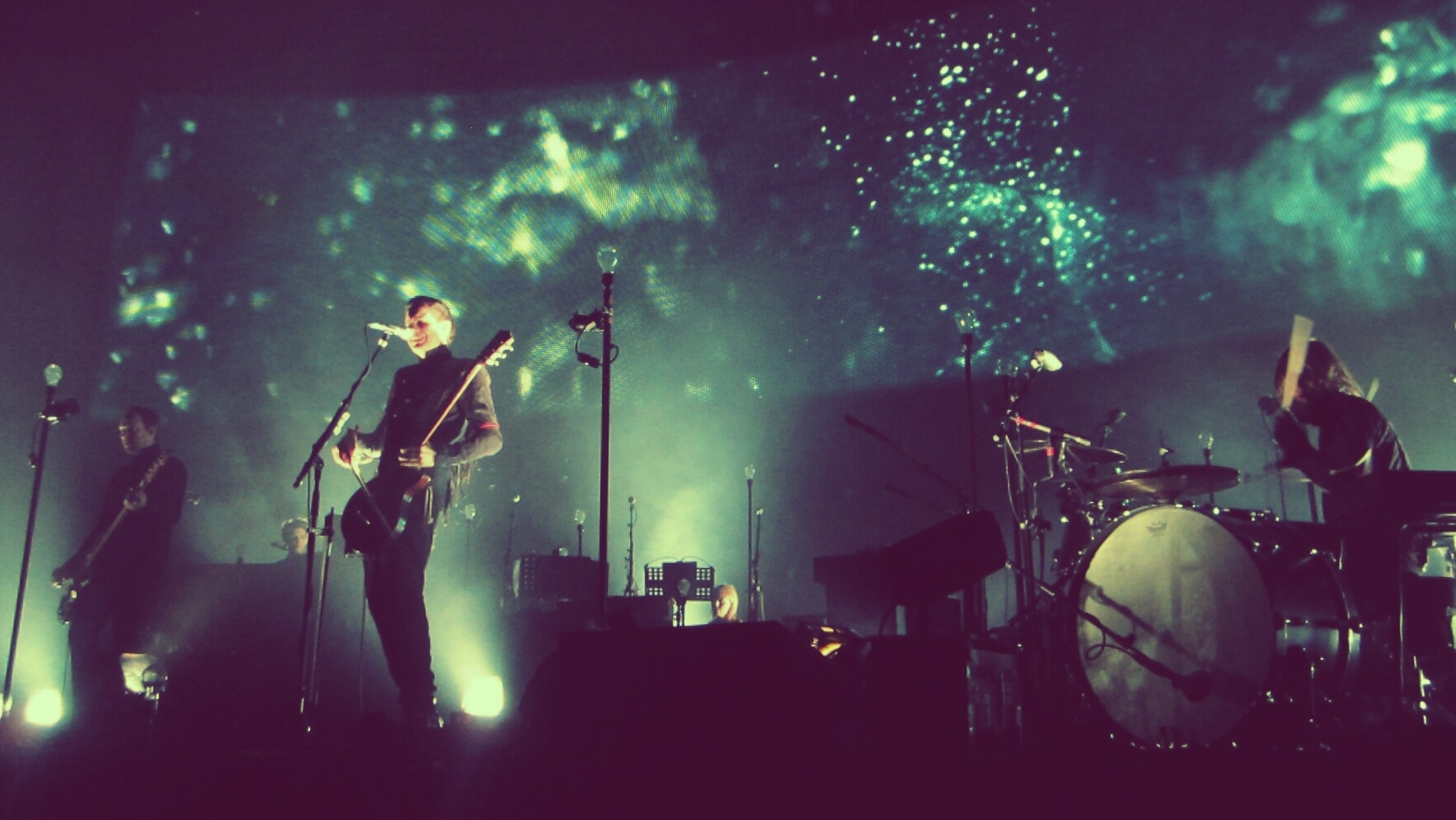
The band's visual identity is as crucial as their sonic one. Their music videos, often abstract and visually stunning, complement the immersive quality of their songs. Directed by talents such as Henry Hobson and Dean DeBlois (known for How to Train Your Dragon), these visual pieces explore themes of nature, human connection, and existential introspection, mirroring the emotional arc of the music. Live performances are legendary for their intensity and visual spectacle, often featuring elaborate lighting and projections that transform venues into otherworldly spaces, further drawing audiences into the Sigur Rós experience, a practice that has influenced countless live shows in the indie and alternative scenes.
🏆 Critical Acclaim and Sonic Storytelling
Sigur Rós's critical reception has been overwhelmingly positive, with critics often struggling to articulate the unique emotional resonance of their work. Albums like Takk... (2005), which featured the Grammy-nominated "Hoppípolla," achieved significant commercial success, earning gold certifications in multiple countries. Their music's ability to evoke profound feelings without relying on conventional lyrical narrative has made it a popular choice for soundtracks, including the entirety of the score for 127 Hours and key placements in Game of Thrones. This widespread use in visual media has cemented their status not just as musicians, but as sonic storytellers capable of amplifying narrative impact.
🌟 Enduring Influence
The legacy of Sigur Rós is undeniable, particularly within the post-rock and ambient music scenes. Their pioneering use of bowed guitar and unconventional vocal techniques has inspired a generation of musicians. Artists such as Bon Iver, Arcade Fire, and Explosions in the Sky have all, in various ways, absorbed elements of Sigur Rós's atmospheric approach. Their commitment to artistic integrity, often eschewing mainstream trends, has ensured their continued relevance and influence, with their music continuing to be discovered and cherished by new audiences seeking sonic transcendence.
Key Facts
- Year
- 1994-present
- Origin
- Iceland
- Category
- videos
- Type
- youtube-creator
Frequently Asked Questions
What is Vonlenska?
Vonlenska, also known as Hopelandic, is a nonsense language created by Jónsi Birgisson. It's designed to sound like a real language and is used to convey emotion and sound rather than specific meaning, allowing listeners to interpret the lyrics personally.
What are Sigur Rós's most famous songs?
Some of their most recognized songs include 'Svefn-g-englar,' 'Hoppípolla,' 'Glósóli,' 'Viðrar vel til loftárása,' and 'Starálfur.'
What is the best album to start with?
Many fans recommend starting with 'Ágætis byrjun' (1999) for its groundbreaking sound or 'Takk...' (2005) for its more accessible, anthemic tracks like 'Hoppípolla.'
Are Sigur Rós still active?
Yes, Sigur Rós remains an active band. After a period of hiatus and member changes, Kjartan Sveinsson rejoined in 2022, and they have been touring and working on new material.