
Contents
Overview
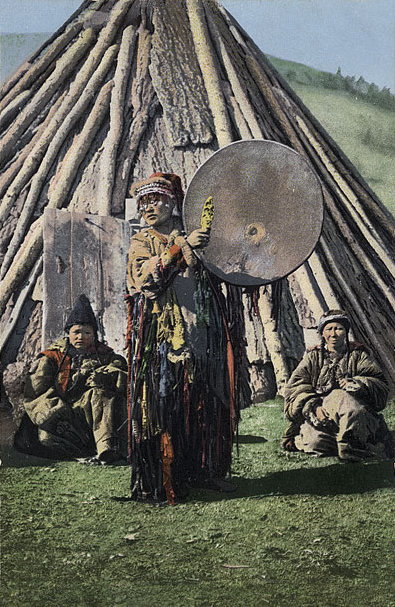
The origins of shamanic healing are deeply embedded in the prehistory of humankind, with Paleolithic cave art at sites like Chauvet Cave in France providing evidence of practices akin to shamanism. Early humans likely developed these methods to understand and influence the natural world and the unseen forces they perceived. Across continents, distinct traditions emerged: the Siberian Tungus (from whom the term 'shaman' is derived, likely from the Evenki word 'šamán') utilized trance states for healing and divination, while Indigenous peoples in the Americas, such as the Inuit and various Native American tribes, developed complex cosmologies involving spirit helpers and soul retrieval. In Australia, Aboriginal Australian traditions feature 'clever men' and 'clever women' who act as healers and intermediaries with the spirit realm. These ancient practices formed the bedrock of spiritual and medical systems for countless cultures before the advent of modern medicine, demonstrating a consistent human impulse to seek healing beyond the purely physical.
⚙️ How It Works
Shamanic healing operates on the principle that the physical body is interconnected with spiritual and energetic realms. The shaman acts as a bridge, entering an altered state of consciousness—often induced by rhythmic drumming, rattling, chanting, or sometimes the use of entheogenic plants like ayahuasca or psilocybin mushrooms. In this state, the shaman journeys to the spirit world to diagnose the energetic or spiritual cause of an ailment, which might be attributed to soul loss, intrusive energies, or spiritual disharmony. The healing process can involve retrieving lost soul fragments, extracting spiritual intrusions, or performing ceremonies to restore balance. This is often facilitated by the guidance and assistance of spirit allies, such as animal spirits or ancestral guides, who provide wisdom and power for the healing work. The practitioner then brings this spiritual insight and energy back into the physical world to effect change in the client's well-being.
📊 Key Facts & Numbers
While precise global statistics are elusive, it is reported that shamanic practices have been present for at least 30,000 years. The global market for complementary and alternative medicine (CAM), which often includes shamanic modalities, is projected to reach over $295 billion by 2027, highlighting a substantial financial and cultural investment in these practices. Studies on specific shamanic interventions, like drumming-assisted psychotherapy, have shown positive effects on mood and stress reduction in up to 80% of participants in pilot trials.
👥 Key People & Organizations
Key figures in the study and popularization of shamanism include Mircea Eliade, whose book "Shamanism: Archaic Techniques of Ecstasy" remains a foundational academic text, though criticized for its generalizations. Carlos Castaneda's controversial writings in the 1960s and 70s, detailing his alleged apprenticeship with Yaqui shaman Don Juan Matus, brought shamanic concepts to a massive Western audience. More recently, figures like Sandra Ingerman have been instrumental in adapting and teaching core shamanic practices, particularly soul retrieval, to Westerners through organizations like the Foundation for Shamanic Studies, founded by Michael Harner. Contemporary practitioners and researchers like Jeremy Narby explore the neurobiological basis of shamanic states, while organizations such as the European Association of Shamanic Studies foster academic and practical engagement.
🌍 Cultural Impact & Influence
Shamanic healing has profoundly influenced global culture, shaping early human societies' understanding of health, spirituality, and the cosmos. Its concepts have permeated various New Age movements and alternative healing modalities, influencing practices like Reiki, sound healing, and energy healing. The imagery and narratives from shamanic traditions have inspired art, literature, and film, from the psychedelic visuals in films like "Avatar" to the spiritual quests depicted in novels. However, this cultural diffusion has also led to significant debates about cultural appropriation, with critics arguing that Western adaptations often strip indigenous practices of their sacred context and original meaning, benefiting non-indigenous practitioners while marginalizing the source communities. The global spread of these practices highlights both their universal appeal and the ethical complexities of cross-cultural exchange in healing.
⚡ Current State & Latest Developments
In the contemporary landscape, shamanic healing is experiencing a resurgence, particularly in Western societies. There's a growing interest in integrating shamanic techniques into mainstream mental health and wellness services, with an increasing number of therapists and coaches incorporating elements like shamanic journeying and sound healing into their practices. Organizations like the Foundation for Shamanic Studies continue to offer training, reporting a steady increase in enrollment from individuals seeking personal healing and professional development. Furthermore, scientific research is beginning to explore the physiological and psychological effects of shamanic practices, including the impact of drumming on brainwave activity and the therapeutic potential of psychedelic-assisted therapies that share commonalities with traditional shamanic plant medicine ceremonies. The ongoing dialogue between traditional wisdom and modern science is shaping the future of how these ancient healing arts are understood and applied.
🤔 Controversies & Debates
The practice of shamanic healing is not without significant controversy. A primary concern is cultural appropriation, where Western practitioners adopt indigenous rituals and symbols without proper understanding, respect, or acknowledgment of their origins, often for profit. Critics, including many Indigenous elders and activists, argue that this commodifies sacred traditions and disrespects the communities from whom these practices were historically taken, sometimes under duress. Another point of contention is the lack of standardized training and regulation, leading to concerns about unqualified individuals offering potentially impactful spiritual or energetic interventions. Furthermore, the use of entheogenic substances in some shamanic traditions raises legal and ethical questions, particularly regarding safety, consent, and potential for misuse. The scientific community also remains divided, with some researchers advocating for rigorous study of potential therapeutic benefits, while others remain skeptical due to the subjective nature of spiritual experiences and the challenges in conducting controlled trials for practices rooted in non-materialistic worldviews.
🔮 Future Outlook & Predictions
The future of shamanic healing appears poised for continued integration and evolution, albeit with ongoing ethical considerations. We can anticipate further scientific inquiry into the neurobiological and psychological mechanisms underlying shamanic states and their therapeutic effects, potentially leading to more evidence-based protocols. The trend towards blending shamanic techniques with conventional psychotherapy is likely to grow, creating hybrid therapeutic models that leverage both spiritual and psychological approaches. However, the challenge of navigating cultural appropriation will persist, necessitating greater emphasis on ethical engagement, respectful collaboration with Indigenous communities, and the establishment of clearer guidelines for practitioners. There's also
Key Facts
- Category
- culture
- Type
- topic