
Contents
Overview
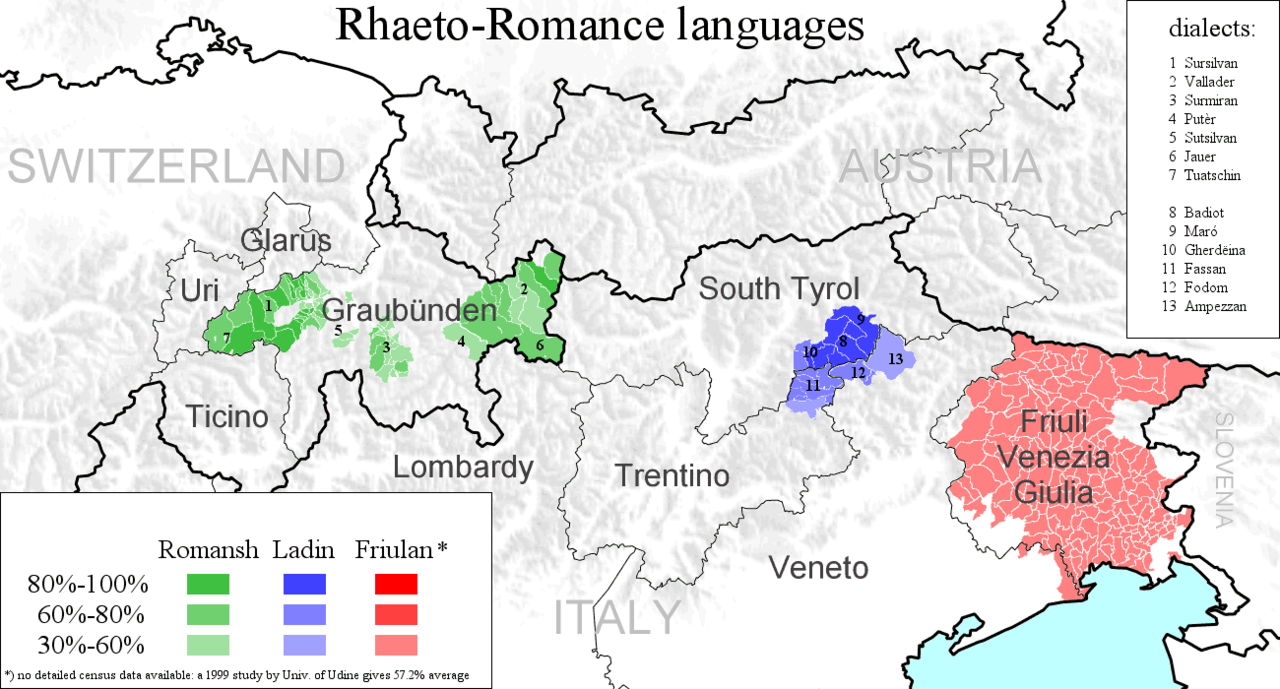
The Romansh language has its roots in the Roman Empire, with the language evolving from Latin spoken by the Roman legions in the region. Over time, it developed distinct features and dialects, with the earliest written records of Romansh dating back to the 10th century. The language is closely related to other Rhaeto-Romance languages, such as Ladin and Friulian, and has been influenced by German and Italian. The University of Zurich has a dedicated department for Romansh studies, and the Swiss Linguistic Society has been instrumental in promoting the language.
📚 Language & Linguistics
Romansh is a complex language with several dialects, including Sursilvan, Sutsilvan, and Puter. It is spoken by around 35,000 people in the canton of Grisons, Switzerland, and is one of the four official languages of the country, along with German, French, and Italian. The language has a unique grammar and syntax, with features such as verb conjugation and noun declension. The Romansh Language Institute has developed language courses and materials to support language learners, and the Swiss Broadcasting Corporation offers Romansh-language programming.
👥 Romansh People & Culture
The Romansh people have a distinct culture and identity, shaped by their language and history. They have a strong tradition of folklore and music, with the Romansh Folk Music Ensemble being a prominent example. The Romansh people have also made significant contributions to Swiss politics and society, with notable figures such as Josch Bunzel, a former president of the Swiss National Council. The Grisons canton has a number of Romansh-language schools and cultural institutions, including the Romansh Cultural Center.
🔮 Preservation & Promotion
Despite being an official language, Romansh is considered endangered, with a declining number of speakers and limited use in everyday life. Efforts are being made to preserve and promote the language, including language courses, cultural events, and media programming. The Swiss government has implemented measures to support the language, such as bilingual signage and language support in public services. The European Union has also recognized Romansh as a minority language, providing funding and support for language preservation initiatives. The Romansh Language Association is a key organization working to promote the language and support language learners.
Key Facts
- Year
- 10th century
- Origin
- Southeastern Switzerland
- Category
- culture
- Type
- language
Frequently Asked Questions
What is the origin of the Romansh language?
How many people speak Romansh?
What efforts are being made to preserve the Romansh language?
Efforts to preserve the Romansh language include language courses, cultural events, and media programming. The Swiss government has implemented measures to support the language, such as bilingual signage and language support in public services. The European Union has also recognized Romansh as a minority language, providing funding and support for language preservation initiatives.
What is the cultural significance of the Romansh language?
The Romansh language has a unique cultural significance, with a strong tradition of folklore and music. The Romansh Folk Music Ensemble is a prominent example of the language's cultural importance. The Romansh people have also made significant contributions to Swiss politics and society, with notable figures such as Josch Bunzel.
How can I learn Romansh?
There are several ways to learn Romansh, including language courses, online resources, and language exchange programs. The Romansh Language Institute offers language courses and materials to support language learners, and the Swiss Broadcasting Corporation offers Romansh-language programming.