
Contents
- 🎵 Origins & History
- ⚙️ How It Works
- 📊 Key Facts & Numbers
- 👥 Key People & Organizations
- 🌍 Cultural Impact & Influence
- ⚡ Current State & Latest Developments
- 🤔 Controversies & Debates
- 🔮 Future Outlook & Predictions
- 💡 Practical Applications
- 📚 Related Topics & Deeper Reading
- Frequently Asked Questions
- References
- Related Topics
Overview
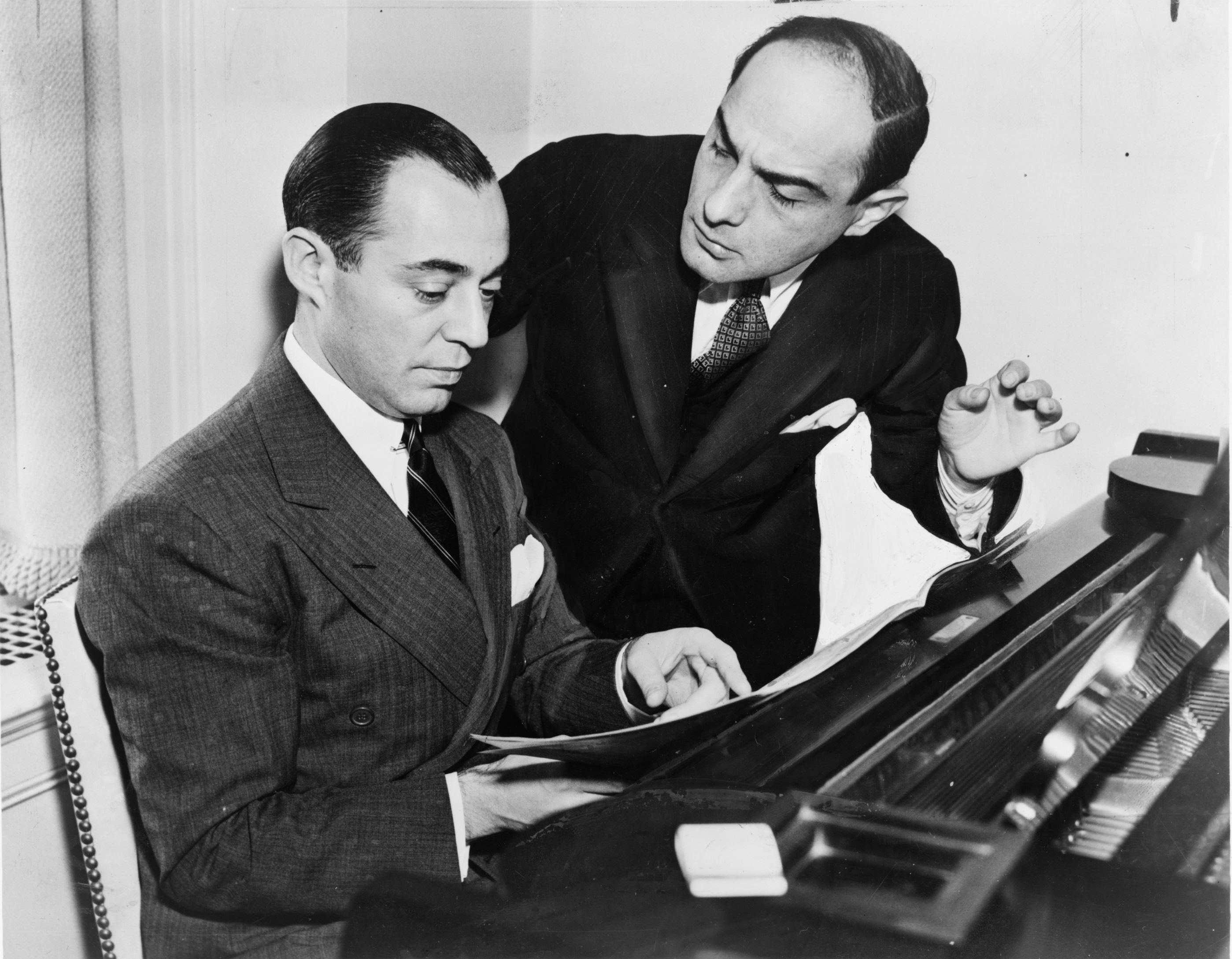
The genesis of Rodgers and Hart's legendary partnership can be traced back to 1919, when a teenage Richard Rodgers, then 17, met the slightly older Lorenz Hart, 24, at Columbia University. Their initial collaboration, a student revue titled 'Fly with Me,' marked the auspicious beginning of a creative union that would redefine American musical theatre. Despite early setbacks and periods of dormancy, their persistence paid off with the 1925 Broadway hit 'Garrick Gaieties,' which introduced their signature blend of sophisticated lyrics and memorable melodies to a wider audience. This success paved the way for a string of acclaimed musicals throughout the 1920s and 1930s, including 'The Girl Friend' (1926), 'A Connecticut Yankee' (1927), and 'Babes in Arms' (1937), solidifying their reputation as Broadway's premier songwriting team.
⚙️ How It Works
The magic of Rodgers and Hart lay in their distinct yet complementary talents. Richard Rodgers possessed an innate gift for melody, crafting tunes that were both instantly hummable and structurally sophisticated, often incorporating jazz influences and harmonic innovations. Lorenz Hart, on the other hand, was a master wordsmith, renowned for his dazzlingly witty, often cynical, and deeply personal lyrics. He possessed an unparalleled ability to weave complex rhymes and sophisticated wordplay into narratives that explored themes of love, loss, and the human condition with remarkable emotional depth. Their collaborative process, though not always smooth, typically involved Rodgers composing melodies first, which Hart would then set to lyrics, a method that allowed the music to dictate the emotional arc and thematic content of the songs.
📊 Key Facts & Numbers
Over their 24-year collaboration, Rodgers and Hart penned an astounding 28 stage musicals, contributing over 500 songs to the American musical lexicon. Their most commercially successful show, 'Oklahoma!' (though this was Rodgers' later collaboration with Oscar Hammerstein II, it highlights the scale of Rodgers' output), demonstrated the potential for musicals to achieve massive commercial success, with Rodgers and Hart's earlier works laying crucial groundwork. Their songs have been recorded by an estimated 1,500 artists, with 'Blue Moon' alone boasting over 1,000 recorded versions. 'The Lady Is a Tramp' and 'My Funny Valentine' are consistently ranked among the most performed songs in jazz and popular music, with 'My Funny Valentine' alone having over 1,300 recorded versions.
👥 Key People & Organizations
The core of the partnership was, of course, Richard Rodgers (1902–1979) and Lorenz Hart (1895–1943). Rodgers, the composer, was known for his prolific output and later successful collaboration with Oscar Hammerstein II, forming Rodgers and Hammerstein. Hart, the lyricist, was a more reclusive figure, battling personal demons that often fueled the poignant depth of his writing. Their primary producers and champions included figures like Lew Fields and Florence Ziegfeld, who recognized and nurtured their early talent. The Broadway theatre district itself served as their crucible, with venues like the Vanderbilt Theatre and the Shubert Theatre hosting many of their premieres.
🌍 Cultural Impact & Influence
Rodgers and Hart's impact on American culture is profound and multifaceted. They elevated the musical theatre genre from mere entertainment to a sophisticated art form, demonstrating that popular songs could possess literary merit and emotional resonance. Their work became intrinsically linked to the Great American Songbook, providing a foundational repertoire for generations of singers and musicians. Songs like 'Bewitched, Bothered and Bewildered' and 'Where or When' became cultural touchstones, reflecting and shaping American sensibilities around romance, desire, and disillusionment. Their influence can be seen in the works of subsequent musical theatre giants like Stephen Sondheim and Jule Styne, who both admired and built upon their legacy.
⚡ Current State & Latest Developments
While Rodgers and Hart's primary creative output concluded with Hart's death in 1943, their music continues to be performed, revived, and reinterpreted. Recent Broadway revivals of their works, such as the 2006 production of 'The Boys from Syracuse' and the 2017 staging of 'Pal Joey,' demonstrate a sustained interest in their catalog. Furthermore, contemporary artists across genres, from jazz vocalists like Dianne Reeves to pop artists, continue to record their songs, ensuring their melodies and lyrics remain relevant. The ongoing digitization of musical archives and the accessibility of streaming platforms like Spotify and Apple Music have also introduced their work to new, global audiences.
🤔 Controversies & Debates
The primary controversy surrounding Rodgers and Hart often centers on the perceived disparity between their artistic output and their personal lives, particularly Hart's struggles with alcoholism and his often tempestuous relationship with Rodgers. Some critics have pointed to the uneven quality of certain book musicals, arguing that the narrative structure sometimes lagged behind the brilliance of the individual songs. There's also debate about the extent to which Hart's personal demons influenced the melancholic undertones present in many of his otherwise witty lyrics. Comparisons between Rodgers's later, more integrated work with Oscar Hammerstein II and his earlier collaborations with Hart also fuel discussions about artistic evolution and the nature of creative partnerships.
🔮 Future Outlook & Predictions
The future of Rodgers and Hart's legacy likely lies in continued reinterpretations and rediscovery. As musical theatre evolves, there's potential for innovative new productions that re-contextualize their work for contemporary audiences, perhaps exploring themes that resonate differently today. The increasing accessibility of their music through digital platforms may also lead to unexpected cross-pollinations with genres far removed from traditional musical theatre. Furthermore, scholarly research into their creative process and the socio-cultural context of their work will undoubtedly continue, offering fresh insights into their enduring appeal. The question remains: can new generations of artists capture the unique blend of sophistication and heart that defined their greatest hits?
💡 Practical Applications
The practical applications of Rodgers and Hart's work are primarily found in the realm of performance and education. Their songs are staples in vocal training programs at institutions like The Juilliard School and Berklee College of Music, serving as essential studies in melody, lyricism, and phrasing. Musical theatre productions of their shows continue to be mounted by professional companies and amateur groups worldwide, providing both entertainment and artistic development opportunities. Their compositions are also frequently licensed for use in films, television shows, and commercials, underscoring their continued commercial viability and cultural ubiquity. The enduring popularity of their tunes in jazz clubs and cabarets highlights their adaptability across diverse performance settings.
Key Facts
- Year
- 1919-1943
- Origin
- United States
- Category
- culture
- Type
- topic
Frequently Asked Questions
Who were Rodgers and Hart?
Rodgers and Hart were an iconic American songwriting duo consisting of composer Richard Rodgers and lyricist Lorenz Hart. Active from 1919 to 1943, they created 28 stage musicals and over 500 songs, many of which became standards in the Great American Songbook. Their work is celebrated for its sophisticated melodies, witty lyrics, and emotional depth, significantly shaping the landscape of musical theatre.
What are some of their most famous songs?
Some of Rodgers and Hart's most enduring songs include 'Blue Moon,' 'The Lady Is a Tramp,' 'My Funny Valentine,' 'Bewitched, Bothered and Bewildered,' 'Where or When,' and 'I'm Gonna Wash My Hands of You.' These tunes have been recorded by countless artists and remain beloved classics, showcasing their mastery of melody and lyrical storytelling.
What was their impact on musical theatre?
Rodgers and Hart were instrumental in elevating musical theatre from light entertainment to a more sophisticated art form. They infused their shows with complex characters, mature themes, and lyrics that possessed literary merit, moving beyond simple boy-meets-girl narratives. Their integration of song and story, along with their innovative musical styles, laid crucial groundwork for future developments in the genre, influencing generations of composers and lyricists.
What is the difference between Rodgers and Hart and Rodgers and Hammerstein?
Rodgers and Hart was the earlier partnership, active from 1919 to 1943, known for its witty, often cynical lyrics and sophisticated melodies, with Hart's personal struggles sometimes coloring the emotional tone. After Hart's death, Richard Rodgers partnered with Oscar Hammerstein II from 1943 until Hammerstein's death in 1960. The Rodgers and Hammerstein partnership is characterized by more earnest, optimistic themes, integrated book musicals, and a focus on social issues, exemplified by shows like 'Oklahoma!' and 'The Sound of Music.'
Were there any controversies surrounding Rodgers and Hart?
The primary controversies often revolve around Lorenz Hart's well-documented struggles with alcoholism and his often difficult personal relationship with Richard Rodgers, which sometimes impacted their creative process and the consistency of their musical book shows. Additionally, debates arise when comparing the artistic integration of Rodgers's later work with Oscar Hammerstein II to his earlier collaborations with Hart, with some arguing the former achieved a more cohesive artistic whole.
How can I hear Rodgers and Hart's music today?
Rodgers and Hart's music is widely available today through various channels. Their songs can be found on streaming platforms like Spotify, Apple Music, and YouTube Music, performed by a vast array of artists. Numerous cast recordings of their musicals are also available, and their songs are frequently performed live in concerts, cabarets, and jazz clubs worldwide, ensuring their continued presence in the cultural soundscape.
What is the legacy of Rodgers and Hart?
The legacy of Rodgers and Hart is that of two of America's most influential songwriters, whose work forms a cornerstone of the Great American Songbook and the history of musical theatre. They demonstrated that popular songs could possess profound artistry, wit, and emotional depth, setting a high bar for lyrical sophistication and melodic invention. Their catalog continues to inspire performers, composers, and audiences, solidifying their place as titans of American culture.