
Contents
Overview
Recombinant DNA (rDNA) technology is a cornerstone of modern biotechnology, enabling scientists to create novel DNA molecules by combining genetic material from different sources. This process, often referred to as genetic engineering or molecular cloning, relies on the universal chemical structure of DNA, allowing fragments from any organism—be it plant, animal, or microbe—to be joined. The ability to manipulate DNA sequences has revolutionized fields from medicine and agriculture to industrial processes, leading to the development of life-saving drugs, disease-resistant crops, and novel enzymes. Despite its immense benefits, rDNA technology also sparks significant ethical and safety debates regarding its applications and potential unintended consequences. Its continued evolution promises even more profound impacts on our understanding and manipulation of life itself.
🎵 Origins & History
The genesis of recombinant DNA technology can be traced back to a period of explosive growth in molecular biology. Genentech was the first major biotechnology company.
⚙️ How It Works
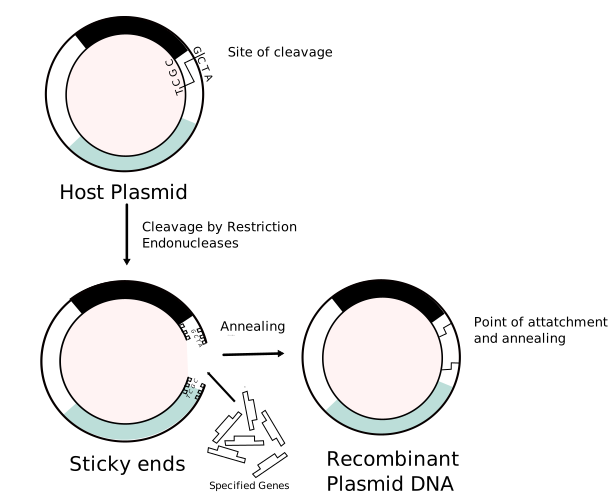
At its core, recombinant DNA technology involves a series of precise molecular manipulations. First, specific DNA fragments of interest are isolated using restriction enzymes, which act like molecular scissors to cut DNA at defined recognition sequences. These fragments are then typically inserted into a vector, such as a plasmid or a viral genome, which serves as a vehicle for carrying the foreign DNA into a host cell. Ligation, performed by DNA ligase, seals the DNA fragments together, creating the recombinant molecule. This engineered DNA is then introduced into a host organism, often E. coli bacteria or yeast, where it can be replicated, expressed into proteins, or further manipulated. The process is facilitated by techniques like PCR for DNA amplification and gel electrophoresis for separation and analysis.
📊 Key Facts & Numbers
The impact of recombinant DNA technology is quantifiable.
👥 Key People & Organizations
Several key figures and organizations propelled recombinant DNA technology forward. Genentech pioneered the commercialization of rDNA products, including human growth hormone and insulin. Stanley Cohen's contributions were crucial in demonstrating the replication of recombinant DNA in bacteria. Organizations like the National Institutes of Health (NIH) played a vital role in funding research and establishing early guidelines, while the American Society of Gene Therapy and the Biotechnology Innovation Organization (BIO) continue to advance the field and advocate for its applications.
🌍 Cultural Impact & Influence
Recombinant DNA technology has profoundly reshaped modern society and culture. It underpins the production of numerous pharmaceuticals, including growth hormone, and vaccines like the hepatitis B vaccine, making previously scarce or expensive treatments widely accessible. In agriculture, genetically modified organisms (GMOs) have introduced crops with enhanced nutritional value, pest resistance, and herbicide tolerance, altering global food production and consumption patterns. The ability to study gene function and disease mechanisms has accelerated biomedical research, leading to new diagnostic tools and therapeutic strategies. This technological prowess has also fueled public discourse on the ethics of 'playing God' and the potential for unintended ecological consequences, influencing everything from consumer choices to regulatory policies.
⚡ Current State & Latest Developments
The field of recombinant DNA technology is in constant flux, with recent developments pushing the boundaries of what's possible. The advent of CRISPR-Cas9 gene editing technology, often described as a more precise and accessible form of rDNA manipulation, has dramatically accelerated research and therapeutic development. Companies like Moderna and Pfizer have leveraged rDNA principles, particularly in mRNA vaccine technology, which saw unprecedented deployment during the COVID-19 pandemic. Synthetic biology, an interdisciplinary field that builds upon rDNA, is increasingly focused on designing and constructing novel biological parts, devices, and systems for various applications, from biofuels to advanced materials.
🤔 Controversies & Debates
The ethical landscape surrounding recombinant DNA technology is fraught with debate. Concerns about the safety of genetically modified organisms (GMOs) persist, particularly regarding potential allergenicity, gene flow to wild relatives, and long-term ecological impacts, despite extensive scientific consensus on the safety of currently approved GMOs. The prospect of human germline editing—making heritable changes to DNA—raises profound questions about unintended consequences, equity of access, and the very definition of humanity, as highlighted by the controversial He Jiankui affair. Debates also rage over intellectual property rights for genetically modified organisms and gene sequences, with companies like Monsanto (now part of Bayer) facing scrutiny over patenting seeds.
🔮 Future Outlook & Predictions
The future of recombinant DNA technology points towards increasingly sophisticated and targeted applications. Gene therapy, aiming to treat genetic diseases by correcting or replacing faulty genes, is moving from experimental stages to approved treatments for conditions like spinal muscular atrophy and certain forms of blindness. Advances in synthetic biology promise engineered microbes capable of producing complex chemicals, biofuels, and even novel materials with unprecedented efficiency. Precision gene editing tools like CRISPR are expected to become even more refined, enabling more complex genomic modifications and potentially addressing a wider range of diseases. The integration of AI and machine learning with rDNA techniques is also poised to accelerate discovery and design, leading to faster development cycles for new biotechnologies.
💡 Practical Applications
Recombinant DNA technology has a vast array of practical applications across numerous sectors. In medicine, it's used to produce therapeutic proteins like insulin, erythropoietin, and monoclonal antibodies for treating cancer and autoimmune diseases. It's fundamental to the development of vaccines, including those for Hepatitis B and COVID-19. In agriculture, it enables the creation of genetically modified crops (GMOs) resistant to pests, diseases, and environmental stresses, improving yields and reducing pesticide use. Industrial applications include the production of enzymes for detergents, food processing, and biofuels, as well as bioremediation efforts to clean up environmental pollutants. Research laboratories worldwide utilize rDNA for fundamental studies of gene function and disease.
Key Facts
- Category
- technology
- Type
- topic