
Contents
Overview
Raphael Gualazzi, known mononymously as Raphael, is an Italian singer-songwriter and pianist whose music masterfully blends jazz, blues, soul, and pop with a distinctively theatrical flair. Emerging onto the international scene with a captivating performance at the 2011 Eurovision Song Contest, he quickly garnered attention for his powerful vocals, sophisticated arrangements, and charismatic stage presence. His work often showcases a deep appreciation for classic American musical traditions, reinterpreted through a contemporary European sensibility. Raphael's artistic output is characterized by its high production value, lyrical depth, and a consistent ability to connect with audiences across diverse cultural landscapes.
His career trajectory is marked by significant critical acclaim and commercial success, both domestically in Italy and across Europe. Beyond his recording career, Raphael has also ventured into acting, further demonstrating his multifaceted artistic talents. He is celebrated for his live performances, which are known for their energy and improvisational spirit, often featuring intricate piano solos and dynamic vocal delivery. Raphael represents a modern iteration of the crooner archetype, infused with a modern, genre-bending approach that keeps his music fresh and relevant.
Early Life & Influences
Born in Urbino, Italy, in 1981, Raphael Gualazzi displayed an early aptitude for music, beginning piano lessons at a young age. His formative years were steeped in a rich musical environment, absorbing influences from jazz legends like Thelonious Monk and Bill Evans, alongside the soulful expressions of Ray Charles and Otis Redding. This eclectic foundation would later become the bedrock of his unique sonic identity, allowing him to fuse disparate styles into a cohesive and compelling whole. His formal education in classical piano provided a strong technical underpinning, which he would later apply to improvisational jazz and soulful songwriting.
Career & Discography
Raphael's professional career gained significant momentum with the release of his debut album, 'Love and Hate' (2011). However, it was his participation in the Sanremo Music Festival in 2011, leading to his selection to represent Italy at the Eurovision Song Contest, that catapulted him to international fame. His song 'Follia d'amore' (Madness of Love) secured a respectable second place at Eurovision, introducing his distinctive blend of jazz-infused pop and Italian sensibility to a global audience. Subsequent albums, including 'Reality and Fantasy' (2013) and 'Bar del Blasco' (2019), further solidified his artistic vision, showcasing collaborations with artists like Joan Osborne and exploring new sonic territories.
Legacy & Influence
Raphael's legacy is built on his ability to bridge musical worlds, appealing to both jazz aficionados and mainstream pop listeners. His success at Eurovision proved that sophisticated, genre-bending music could achieve broad appeal, paving the way for other artists to explore similar stylistic fusions. He is remembered as an artist who remained true to his eclectic influences while continuously evolving his sound. His impact can be seen in the continued appreciation for artists who blend classical training with contemporary popular music, a testament to his enduring influence on the modern music scene.
Cultural Impact
The cultural significance of Raphael lies in his embodiment of a modern European artist capable of international stardom without compromising artistic integrity. He represents a departure from more formulaic pop music, championing a rich, jazz-influenced sound that resonates with a sophisticated audience. His work often carries a thematic weight, exploring love, life, and personal reflection with a mature, poetic sensibility. Raphael's continued relevance in the Italian and European music scenes underscores the enduring appeal of authentic musical craftsmanship and cross-genre innovation.
Key Facts
- Year
- 1981-present
- Origin
- Urbino, Marche, Italy
- Category
- music
- Type
- artist
Frequently Asked Questions
Who was Raphael and what was he known for?
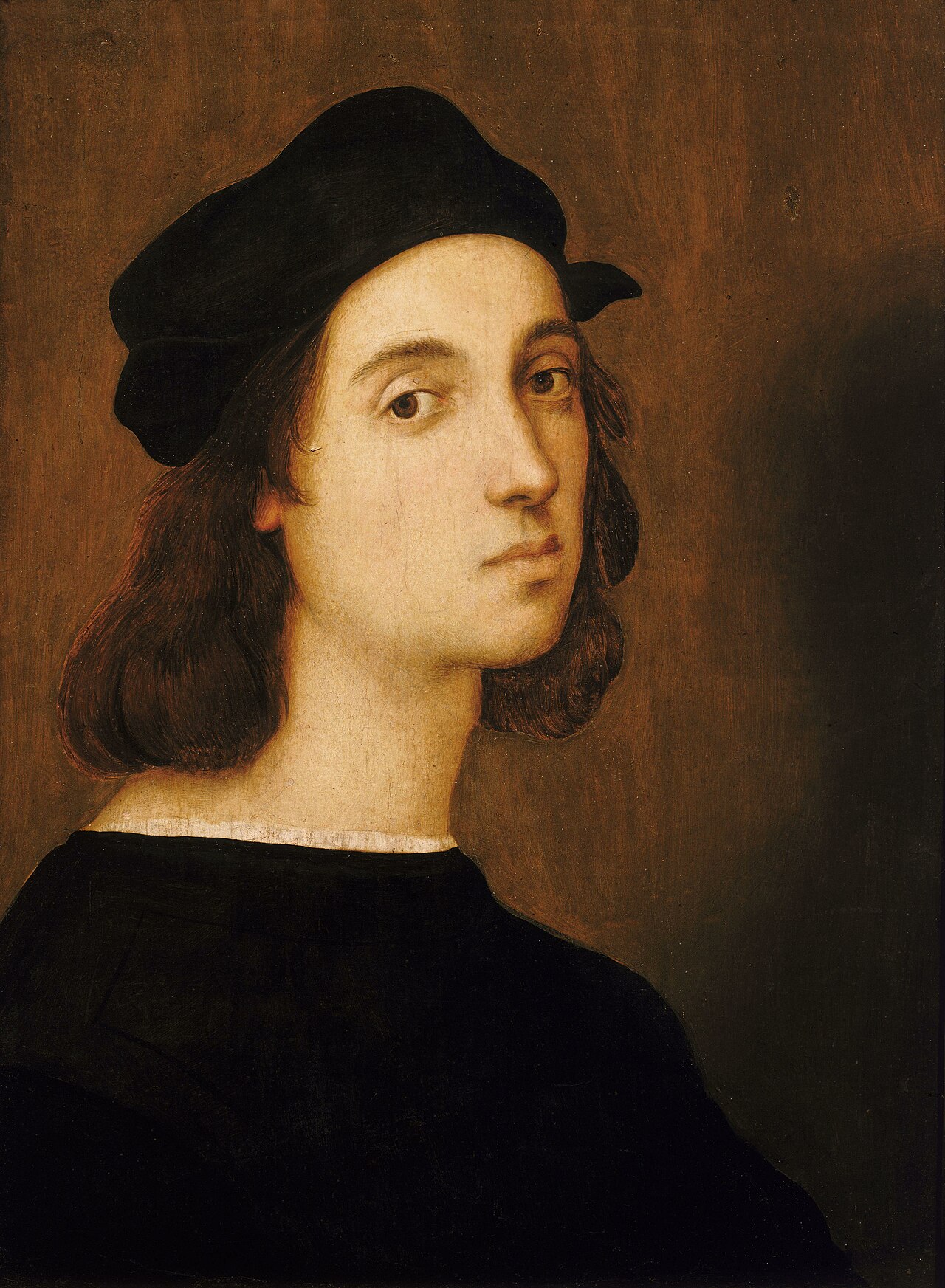
Raphael was a renowned Italian painter and architect of the High Renaissance. He is known for his clarity of form, ease of composition, and visual achievement of the Neoplatonic ideal of human grandeur. Raphael's works, including his frescoes in the Vatican, are considered some of the greatest artistic achievements of all time.
What was Raphael's relationship like with other artists of his time?
Raphael's relationships with other artists, including Leonardo da Vinci and Michelangelo, were complex and often tumultuous. The three artists are known to have had a profound impact on each other's work, with Raphael's style being influenced by his contemporaries.
What are some of Raphael's most notable works?
Raphael's notable works include The Sistine Madonna and The School of Athens. These works showcase his ability to blend style and technique, creating a sense of harmony and balance. Raphael's use of color, light, and shadow created a sense of depth and dimension, drawing the viewer's eye into the painting.
How has Raphael's legacy impacted the development of Western art?
Raphael's legacy has had a profound impact on the development of Western art. His works, including his frescoes in the Vatican, have been admired for centuries, with his use of color, light, and shadow having a lasting impact on the development of Western art. Raphael's style has been studied by artists, including Caravaggio and Rembrandt, and his influence can be seen in many areas of contemporary art.
What efforts have been made to preserve and restore Raphael's works?
The preservation and restoration of Raphael's works have been an ongoing process, with many of his paintings and frescoes being restored and conserved over the years. The Vatican has been at the forefront of these efforts, with many of Raphael's frescoes being restored to their original glory.
How can I view and study Raphael's works?
Many of Raphael's works have been digitized and made available online, including his frescoes in the Vatican. The digital archiving and accessibility of Raphael's works have also made it possible for art historians and critics to study and analyze his works in greater detail, with many online resources and databases being dedicated to his life and work.
What is Raphael's influence on contemporary art?
Raphael's influence on contemporary art continues to be felt, with many artists being inspired by his works. His use of color, light, and shadow created a sense of depth and dimension, drawing the viewer's eye into the painting. Raphael's style has been influential, with many artists, including Caravaggio and Rembrandt, being inspired by his works.