
Contents
Overview
Preventative medicine, also known as prophylaxis, is the strategic application of healthcare measures aimed at averting disease and promoting well-being before illness takes hold. It acknowledges that health is a dynamic interplay of environmental factors, genetic predispositions, pathogens, and lifestyle choices, with disease processes often beginning long before symptoms manifest. This field encompasses a spectrum of interventions, including primal, primary, secondary, and tertiary prevention strategies, alongside quaternary prevention to mitigate over-medicalization. Services range from routine screenings and vaccinations to crucial health education and counseling, empowering individuals to make informed decisions. The impact is profound: millions of deaths annually stem from preventable causes, with behavioral and exposure-related factors contributing significantly to chronic diseases, injuries, and infections, underscoring the critical role of proactive health management in reducing global mortality and morbidity.
🎵 Origins & History
The roots of preventative medicine stretch back to antiquity. The Enlightenment era saw a burgeoning scientific understanding of disease transmission, with figures like Edward Jenner pioneering vaccination against smallpox in 1796, a monumental step in primary prevention. The late 19th and early 20th centuries witnessed the formalization of public health as a discipline, driven by understanding germ theory and the development of sanitation, hygiene, and early screening methods. Seminal work by Jonas Salk on the polio vaccine in the 1950s further solidified the power of preventative interventions. The concept of distinct prevention levels—primary, secondary, and tertiary—was later articulated by George W. Albee and others, providing a framework for categorizing these proactive health strategies.
⚙️ How It Works
Preventative medicine operates through a multi-tiered approach to intercept disease at various stages. Primal prevention aims to influence social conditions and policies that affect health before any disease-causing agent or risk factor is present, such as promoting healthy urban planning. Primary prevention focuses on preventing the initial occurrence of disease by reducing exposure to risk factors, exemplified by vaccination programs against infectious diseases and public health campaigns promoting healthy diets and exercise. Secondary prevention targets early detection and intervention once a disease process has begun but before significant symptoms appear, utilizing screening tests like mammograms for breast cancer and blood pressure checks for hypertension. Tertiary prevention seeks to reduce the impact of established disease, manage complications, and improve quality of life through rehabilitation and chronic disease management, while quaternary prevention aims to identify and mitigate over-medicalization and unnecessary interventions.
📊 Key Facts & Numbers
Globally, preventable causes account for a staggering proportion of mortality. The World Health Organization (WHO) reports that non-communicable diseases (NCDs), largely preventable, are responsible for 71% of all global deaths annually, equating to 41 million people. The CDC estimates that obesity alone costs the U.S. healthcare system over $147 billion annually. Investment in preventative care can yield significant returns, with some studies suggesting that every dollar invested in public health initiatives can save $5.60 in healthcare costs.
👥 Key People & Organizations
Pioneering figures have shaped the landscape of preventative medicine. Edward Jenner's groundbreaking work on smallpox vaccination in the late 18th century laid the foundation for immunoprophylaxis. Louis Pasteur's contributions to germ theory and the development of vaccines for rabies and anthrax in the late 19th century were transformative. In the 20th century, Jonas Salk and Albert Sabin's development of polio vaccines eradicated a devastating disease. Organizations like the World Health Organization (WHO) play a crucial global role in setting standards, coordinating efforts, and promoting preventative strategies. National bodies such as the CDC in the U.S. and Public Health England (now UKHSA) are instrumental in implementing and researching preventative measures. The U.S. Preventive Services Task Force (USPSTF) provides evidence-based recommendations for clinical preventive services.
🌍 Cultural Impact & Influence
The influence of preventative medicine permeates societal consciousness and healthcare systems worldwide. It has shifted the paradigm from a reactive, treatment-focused model to a proactive, health-promotion approach, fundamentally altering how individuals and institutions view health. Public health campaigns, often spearheaded by governmental bodies like the NIH, have successfully reduced the incidence of diseases like smoking-related cancers and HIV/AIDS through education and policy changes. The widespread availability of wearable health trackers and genetic testing has empowered individuals with more data for personal preventative strategies, though this also raises questions about data privacy and interpretation. The cultural embrace of wellness, fitness, and mindful living can be seen as a broader societal manifestation of preventative principles, moving beyond mere absence of disease to a pursuit of optimal well-being.
⚡ Current State & Latest Developments
The field is currently experiencing rapid evolution driven by technological advancements and a deeper understanding of disease mechanisms. Artificial intelligence (AI) and machine learning are increasingly being employed for predictive analytics, identifying individuals at high risk for certain conditions like Alzheimer's disease or heart attacks with greater accuracy. Precision medicine, leveraging genomic data and personalized risk assessments, is tailoring preventative interventions to an individual's unique biological makeup. Telehealth platforms are expanding access to preventative consultations and monitoring, particularly for chronic disease management. Furthermore, there's a growing emphasis on social determinants of health, recognizing that factors like socioeconomic status, education, and access to healthy food profoundly impact health outcomes and require systemic preventative solutions beyond individual clinical care.
🤔 Controversies & Debates
Despite its clear benefits, preventative medicine is not without its controversies and debates. One significant tension lies in the balance between individual liberty and public health mandates, particularly concerning vaccine mandates and restrictions during pandemics like COVID-19. The effectiveness and cost-benefit analysis of certain widespread screening programs are also debated; for instance, the optimal frequency and age for colon cancer screening have been revised based on evolving evidence, leading to discussions about over-screening and potential harms. The ethical implications of genetic screening and predictive diagnostics are another area of contention, raising concerns about genetic discrimination and the psychological burden of knowing one's predisposition to incurable diseases. Finally, the equitable distribution of preventative resources remains a challenge, with disparities in access to care and health education persisting across socioeconomic and racial lines.
🔮 Future Outlook & Predictions
The future of preventative medicine is poised for hyper-personalization and integration with emerging technologies. Gene editing technologies like CRISPR may eventually offer novel ways to correct genetic predispositions to diseases. The proliferation of wearable technology and IoT devices will provide continuous streams of health data, enabling real-time risk assessment and personalized interventions. Longevity research is increasingly focusing on delayi
💡 Practical Applications
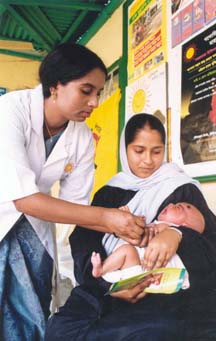
Preventative medicine is implemented through a variety of practical applications. Vaccination programs remain a cornerstone, protecting populations from infectious diseases. Health education and counseling empower individuals to adopt healthier lifestyles, including balanced nutrition and regular physical activity. Medical screening tests, such as mammograms for breast cancer and colonoscopies for colorectal cancer, facilitate early detection. Public health initiatives addressing smoking cessation and promoting safe sex are vital in reducing the burden of chronic diseases and infections. Furthermore, environmental health regulations, ensuring clean air and water, play a crucial role in preventing widespread illness.
Key Facts
- Category
- science
- Type
- topic