
Contents
Overview
Pollination education is the systematic dissemination of knowledge about the ecological, agricultural, and economic importance of pollination, focusing on the intricate relationships between flowering plants and their animal vectors, primarily insects like bees, but also birds, bats, and other fauna. It aims to foster public awareness, inspire conservation efforts, and promote sustainable practices by demystifying the biological processes involved and highlighting the threats facing pollinator populations. This field encompasses a wide range of pedagogical approaches, from classroom curricula and public workshops to citizen science initiatives and digital outreach campaigns, all geared towards ensuring the continued health of ecosystems and food security. As pollinator decline becomes a pressing global concern, effective pollination education is no longer a niche interest but a critical component of environmental stewardship and agricultural resilience.
🎵 Origins & History
The formal study of pollination dates back to ancient Greece. However, dedicated pollination education as a distinct field is a more recent phenomenon, gaining momentum in the late 19th and early 20th centuries as agricultural science advanced and the role of insects in crop yields became undeniable. Early efforts were often embedded within agricultural extension programs and entomology departments, focusing on practical advice for farmers. The mid-20th century saw a burgeoning interest in ecological principles, which broadened the scope to include wild pollinators and ecosystem services. The growing awareness of pollinator decline acted as a powerful catalyst, propelling pollination education into mainstream environmental discourse and educational institutions worldwide.
⚙️ How It Works
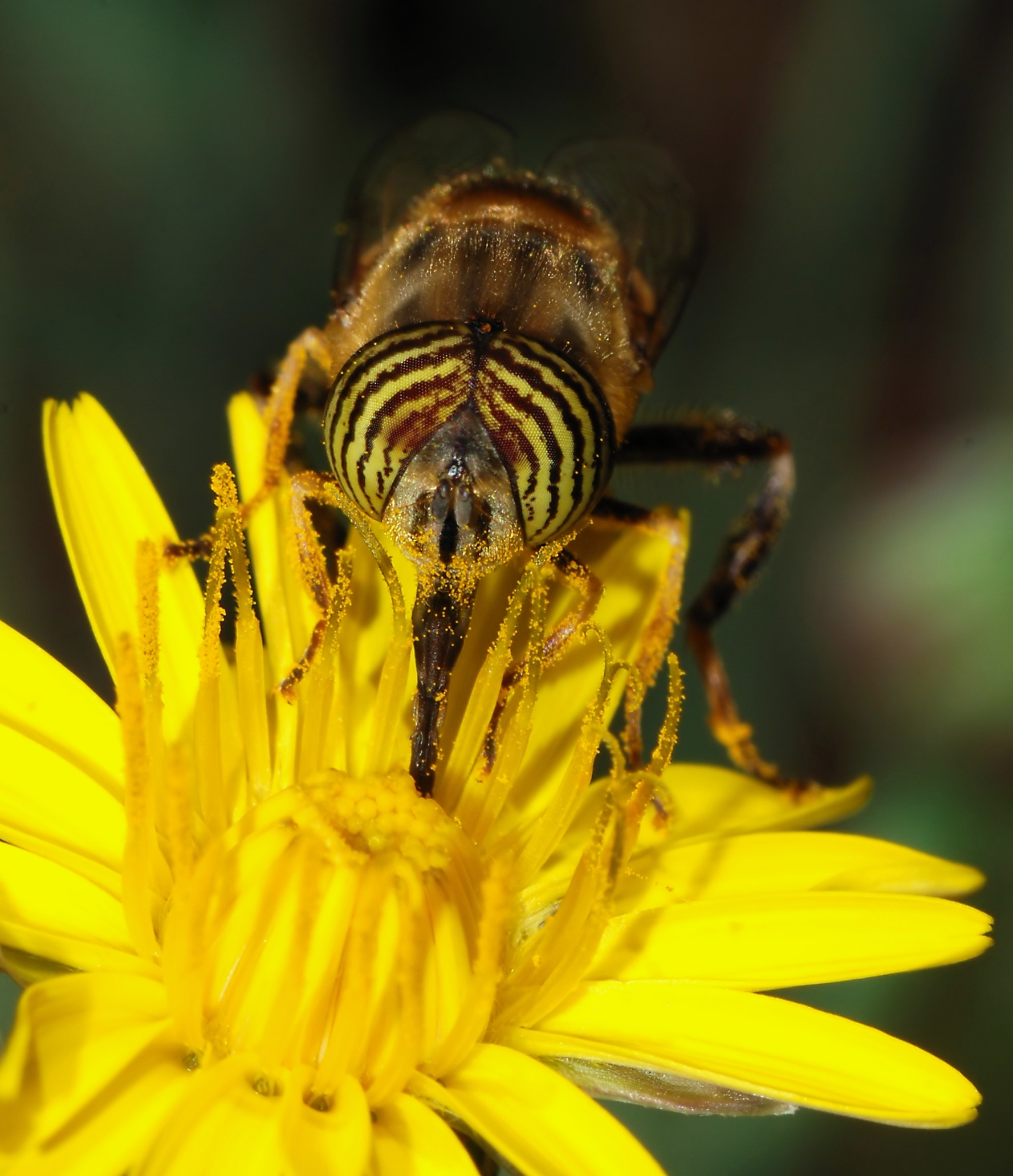
Pollination education explains how flowering plants rely on animals, known as pollinators, to transfer pollen from the male part of a flower (anther) to the female part (stigma), enabling fertilization and seed production. Educational materials detail the diverse array of pollinators, from the ubiquitous honey bees and native bees to butterflies, moths, flies, beetles, bats, and even some birds and lizards. The mechanics involve understanding floral attractants like nectar, scent, and color, and how pollinators' physical adaptations, such as proboscis length or hairy bodies, facilitate pollen collection and transfer. Furthermore, it covers the concept of co-evolution, where plants and their specific pollinators have developed intricate, mutually beneficial relationships over millennia, often leading to specialized pollination syndromes.
📊 Key Facts & Numbers
Despite the critical role of pollinators, studies indicate significant declines in pollinator populations. Effective pollination education aims to translate the stark numbers associated with these declines into actionable understanding for millions.
👥 Key People & Organizations
Key figures in pollination education include entomologists like Charles D. Mitchell, who have conducted extensive research on pollinator ecology and agricultural impacts. Organizations like the Pollinator Partnership play a pivotal role, developing national strategies and educational resources, while the National Park Service integrates pollinator education into its outreach programs. Universities worldwide, including UC Davis and Cornell University, house leading research centers and extension services that develop and disseminate educational materials. The USDA also contributes significantly through its research arms and extension services, providing data and guidance to farmers and educators.
🌍 Cultural Impact & Influence
Pollination education has permeated various cultural spheres, influencing art, literature, and public policy. The iconic image of the honey bee has become a symbol of diligence and nature's interconnectedness, appearing in everything from children's books to corporate branding. Public gardens and nature centers increasingly feature "pollinator gardens" and educational exhibits, transforming passive observation into active engagement. Furthermore, the concept of "pollinator pathways" has gained traction in urban planning, encouraging cities to create connected habitats, a testament to the educational efforts translating into tangible environmental action.
⚡ Current State & Latest Developments
The current landscape of pollination education is characterized by an urgent response to pollinator decline and a growing integration of citizen science. Initiatives like the Bumble Bee Watch program empower the public to contribute valuable data on bumblebee populations. Educational platforms are increasingly leveraging digital tools, with online courses, webinars, and interactive apps becoming commonplace. There's a notable push to incorporate pollination education into K-12 curricula, with many states developing or revising science standards to include pollinator biology and conservation. The focus is shifting from simply informing to actively engaging individuals in conservation actions, such as planting native flowers and reducing pesticide use.
🤔 Controversies & Debates
A significant debate within pollination education revolves around the emphasis placed on different pollinator groups. While honey bees often dominate public attention due to their agricultural importance, some educators and scientists argue this overshadows the critical roles of native bees and other wild pollinators, which are often more efficient for specific native plants and crops. Another controversy concerns the messaging around pesticide use; while educational materials universally condemn harmful pesticides like neonicotinoids, the practical implementation of pesticide reduction strategies by agricultural industries remains a point of contention. Furthermore, the balance between promoting managed pollinators, like honey bees, for agricultural productivity and advocating for the conservation of wild pollinator diversity is a recurring tension in educational outreach.
🔮 Future Outlook & Predictions
The future of pollination education is poised for greater integration with technology and a stronger emphasis on global collaboration. Expect to see more sophisticated virtual reality experiences that allow users to "shrink down" and explore the pollination process from a bee's perspective. Citizen science platforms will likely become more sophisticated, utilizing AI for species identification and data analysis. There's a growing movement to establish international pollination education networks, sharing best practices and resources across borders, particularly in regions facing significant pollinator loss. The educational focus will likely expand to address the complex interplay of climate change, habitat loss, and disease in pollinator decline, requiring a more holistic understanding and multi-faceted educational approach. The goal is to cultivate a generation that not only understands pollination but actively participates in safeguarding it.
💡 Practical Applications
Practical applications of pollination education are diverse and impactful. For farmers, it translates into adopting pollinator-friendly farming practices, such as planting hedgerows, reducing pesticide application, and implementing integrated pest management strategies to protect beneficial insects. Home gardeners learn how to create "pollinator gardens" using native plants, providing essential food and habitat in urban and suburban landscapes. Educators utilize curricula and lesson plans to teach students
Key Facts
- Category
- science
- Type
- topic