
Contents
- 🌳 Introduction to Poisonous Mushrooms
- 🔬 The Biology of Mushroom Toxins
- 🚨 Symptoms of Mushroom Poisoning
- 🌟 The Deadly Allure of Poisonous Mushrooms
- 👨🔬 Famous Cases of Mushroom Poisoning
- 🌿 Types of Poisonous Mushrooms
- 🏥 Treatment and Prevention of Mushroom Poisoning
- 🔮 The Future of Mushroom Toxin Research
- 📚 Conclusion and Further Reading
- 👀 Controversies and Debates Surrounding Mushroom Poisoning
- Frequently Asked Questions
- Related Topics
Overview
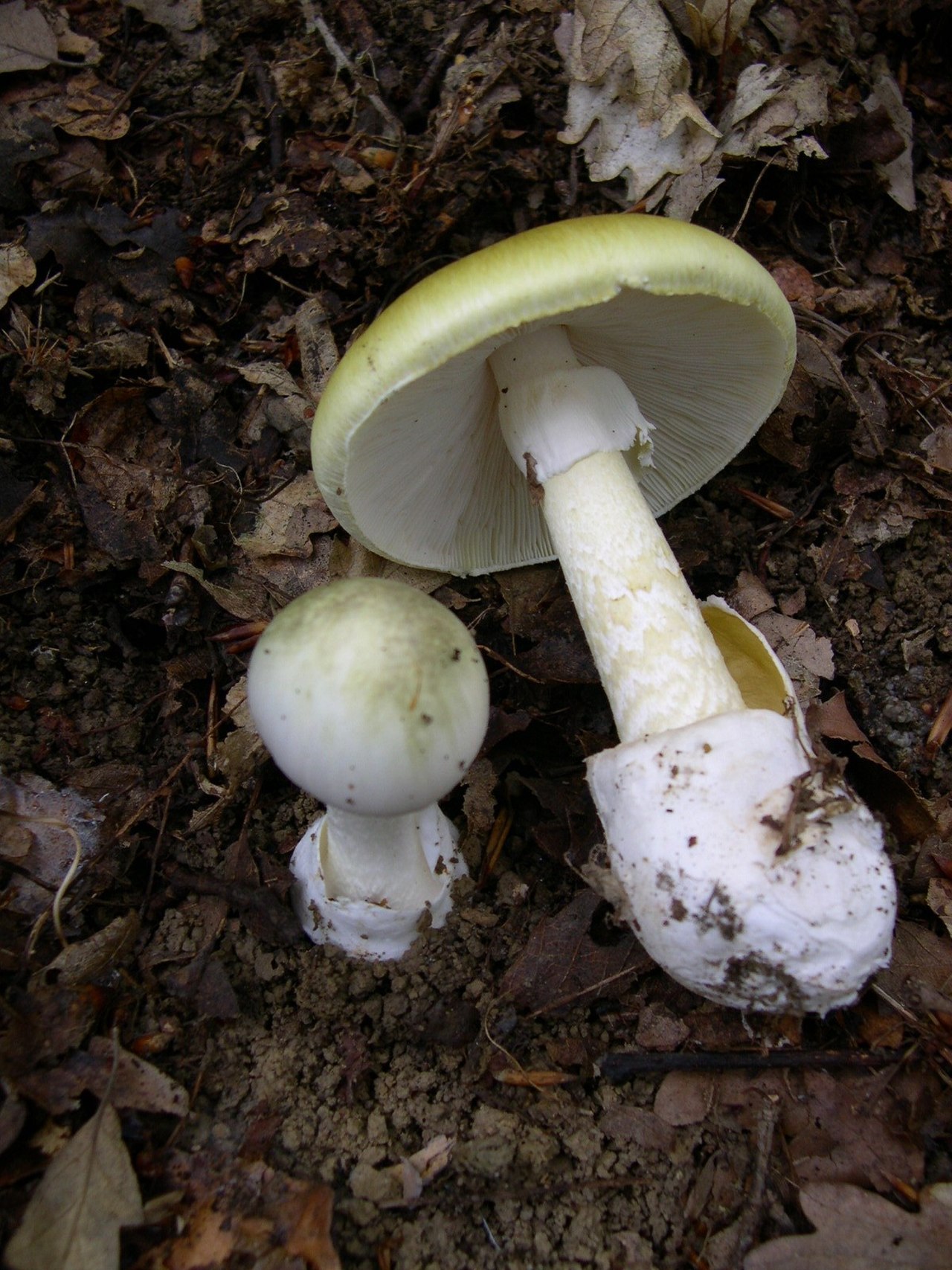
Poisonous mushrooms, with their vibrant colors and enticing aromas, have been a source of fascination and terror for centuries. The death cap (Amanita phalloides), responsible for the majority of mushroom-related deaths, contains a toxin that can cause liver and kidney failure. Other notorious species, such as the destroying angel (Amanita virosa) and the false morel (Gyromitra esculenta), have been known to cause severe illness and even death. Despite the risks, many species of poisonous mushrooms have been found to have potential medicinal properties, with some containing compounds that have been used to develop life-saving drugs. However, the line between medicine and poison is thin, and the study of poisonous mushrooms requires a deep understanding of their complex chemistry and biology. With a vibe score of 8, the topic of poisonous mushrooms is both captivating and treacherous, inviting exploration but demanding respect, as seen in the work of mycologists like Paul Stamets, who has spent years researching the potential of fungi to revolutionize healthcare and the environment.
🌳 Introduction to Poisonous Mushrooms
The world of mushrooms is a fascinating one, with over 100,000 known species, many of which are edible and prized for their unique flavors and textures. However, among these species, there are also many that are poisonous, and some that are even deadly. Poisonous mushrooms can be found in almost every environment, from the forest floor to the backyard. The toxins produced by these mushrooms are secondary metabolites, meaning they are not essential for the fungus's survival, but rather serve other purposes, such as defense against predators. Fungi have evolved to produce these toxins over millions of years, and they can be extremely potent. For example, the death cap mushroom, Amanita phalloides, is responsible for the majority of mushroom-related deaths worldwide.
🔬 The Biology of Mushroom Toxins
The biology of mushroom toxins is complex and not yet fully understood. Mycology, the study of fungi, is a rapidly evolving field, and new discoveries are being made regularly. Mushroom toxins can be divided into several categories, including amatoxins, phallotoxins, and virotoxins. Amatoxins are the most toxic and are found in the death cap mushroom, as well as several other species. They work by inhibiting RNA polymerase, an enzyme essential for cell growth and division. Phallotoxins, on the other hand, are found in the false morel mushroom and can cause severe gastrointestinal symptoms.
🚨 Symptoms of Mushroom Poisoning
Symptoms of mushroom poisoning can vary widely, depending on the type and amount of toxin ingested. Gastrointestinal discomfort is common, and can range from mild nausea to severe vomiting and diarrhea. In severe cases, mushroom poisoning can lead to liver and kidney failure, and even death. The symptoms can take anywhere from a few hours to several days to appear, making it difficult to diagnose mushroom poisoning. Liver disease and kidney disease can also be exacerbated by mushroom poisoning, making it a serious concern for people with pre-existing conditions.
🌟 The Deadly Allure of Poisonous Mushrooms
Despite the dangers, many people are drawn to the allure of poisonous mushrooms. Foraging for wild mushrooms can be a fun and rewarding hobby, but it requires a great deal of knowledge and caution. Some species, such as the fly agaric, are prized for their unique appearance and are often used in decorative arrangements. However, these mushrooms are also highly toxic and should be handled with care. Mycophagy, the practice of eating mushrooms, is also becoming increasingly popular, but it requires a deep understanding of the different species and their potential dangers.
👨🔬 Famous Cases of Mushroom Poisoning
There have been many famous cases of mushroom poisoning throughout history. Cleopatra is said to have used a poisonous mushroom to kill her brother, and Napoleon's army was reportedly poisoned by a batch of contaminated mushrooms during a campaign in Russia. In modern times, there have been several high-profile cases of mushroom poisoning, including the death of a prominent mycologist who accidentally ingested a poisonous species. Poison control centers around the world receive thousands of calls each year related to mushroom poisoning, highlighting the need for greater awareness and education.
🌿 Types of Poisonous Mushrooms
There are many types of poisonous mushrooms, each with its own unique characteristics and dangers. The death cap mushroom is one of the most toxic, and is responsible for the majority of mushroom-related deaths worldwide. The destroying angel mushroom is also highly toxic and can cause severe gastrointestinal symptoms. False morel mushrooms are also poisonous and can cause a range of symptoms, from mild nausea to severe vomiting and diarrhea. Conocybe filaris is another highly toxic species that can cause severe symptoms and even death.
🏥 Treatment and Prevention of Mushroom Poisoning
Treatment and prevention of mushroom poisoning are critical to reducing the risk of serious illness or death. Poison treatment typically involves supportive care, such as hydration and medication to manage symptoms. In severe cases, hospitalization may be necessary. Mushroom identification is also crucial, as it can help to determine the type of toxin ingested and the best course of treatment. Mycology courses and foraging guides can provide valuable information and resources for those interested in learning more about mushrooms and how to safely forage for them.
🔮 The Future of Mushroom Toxin Research
The future of mushroom toxin research is an exciting and rapidly evolving field. Biotechnology is being used to develop new treatments and diagnostic tools for mushroom poisoning. Genomics is also being used to study the genetic basis of mushroom toxins and to develop new methods for identifying poisonous species. Pharmaceuticals are also being developed from mushroom toxins, which could lead to new treatments for a range of diseases. Cancer research is also being conducted using mushroom toxins, which have been shown to have anti-tumor properties.
📚 Conclusion and Further Reading
In conclusion, the world of poisonous mushrooms is complex and fascinating, and requires a great deal of knowledge and caution. Mushroom appreciation is a growing hobby, but it must be approached with respect and caution. Conservation efforts are also necessary to protect the world's mushroom species and to preserve their habitats. Sustainable foraging practices are also essential to reducing the risk of over-harvesting and to preserving the world's mushroom populations. Ecology plays a critical role in understanding the complex relationships between mushrooms and their environments.
👀 Controversies and Debates Surrounding Mushroom Poisoning
Finally, there are many controversies and debates surrounding mushroom poisoning. Regulation of mushroom foraging is a contentious issue, with some arguing that it should be strictly controlled and others arguing that it should be allowed with proper education and caution. Access to mushrooms is also a debated topic, with some arguing that it should be restricted to trained professionals and others arguing that it should be open to anyone. Mushroom poisoning misconceptions are also common, and can lead to unnecessary fear and caution. Science communication is critical to addressing these misconceptions and to promoting a greater understanding of the complex issues surrounding mushroom poisoning.
Key Facts
- Year
- 2022
- Origin
- Global
- Category
- Biology
- Type
- Organism
Frequently Asked Questions
What are the symptoms of mushroom poisoning?
Symptoms of mushroom poisoning can vary widely, depending on the type and amount of toxin ingested. Gastrointestinal discomfort is common, and can range from mild nausea to severe vomiting and diarrhea. In severe cases, mushroom poisoning can lead to liver and kidney failure, and even death. The symptoms can take anywhere from a few hours to several days to appear, making it difficult to diagnose mushroom poisoning. Liver disease and kidney disease can also be exacerbated by mushroom poisoning, making it a serious concern for people with pre-existing conditions.
How can I identify poisonous mushrooms?
Identifying poisonous mushrooms requires a great deal of knowledge and caution. Mushroom identification is a complex process that involves examining the mushroom's shape, size, color, and other characteristics. It is also important to be aware of the mushroom's habitat and the time of year it is found. Mycology courses and foraging guides can provide valuable information and resources for those interested in learning more about mushrooms and how to safely forage for them.
What is the treatment for mushroom poisoning?
Treatment for mushroom poisoning typically involves supportive care, such as hydration and medication to manage symptoms. In severe cases, hospitalization may be necessary. Poison treatment is critical to reducing the risk of serious illness or death. Mushroom identification is also crucial, as it can help to determine the type of toxin ingested and the best course of treatment.
Can mushroom toxins be used for medical purposes?
Yes, mushroom toxins are being studied for their potential medical uses. Biotechnology is being used to develop new treatments and diagnostic tools for mushroom poisoning. Genomics is also being used to study the genetic basis of mushroom toxins and to develop new methods for identifying poisonous species. Pharmaceuticals are also being developed from mushroom toxins, which could lead to new treatments for a range of diseases.
How can I safely forage for wild mushrooms?
Safely foraging for wild mushrooms requires a great deal of knowledge and caution. Mycology courses and foraging guides can provide valuable information and resources for those interested in learning more about mushrooms and how to safely forage for them. It is also important to be aware of the mushroom's habitat and the time of year it is found. Sustainable foraging practices are also essential to reducing the risk of over-harvesting and to preserving the world's mushroom populations.
What are the most common types of poisonous mushrooms?
The most common types of poisonous mushrooms include the death cap, the destroying angel, and the false morel. These mushrooms are highly toxic and can cause severe gastrointestinal symptoms, as well as liver and kidney failure. Conocybe filaris is another highly toxic species that can cause severe symptoms and even death.
How can I prevent mushroom poisoning?
Preventing mushroom poisoning requires a great deal of knowledge and caution. Mushroom identification is critical to avoiding poisonous species. Mycology courses and foraging guides can provide valuable information and resources for those interested in learning more about mushrooms and how to safely forage for them. It is also important to be aware of the mushroom's habitat and the time of year it is found. Sustainable foraging practices are also essential to reducing the risk of over-harvesting and to preserving the world's mushroom populations.