
Contents
Overview
The genesis of NYMEX WTI as a benchmark is intertwined with the development of the American oil industry and organized commodity trading. While crude oil extraction in Texas dates back to the early 20th century, the formalization of WTI as a distinct grade and its subsequent trading on an exchange were pivotal. The New York Mercantile Exchange (NYMEX), established in 1911, began listing WTI futures contracts, providing a standardized platform for price discovery and risk management. The specific designation of WTI as a benchmark solidified over decades, particularly as U.S. domestic production became a significant global force. Early pioneers in oil exploration like H.L. Hunt and companies such as Texaco played roles in shaping the landscape where such a benchmark could emerge and thrive, driven by the need for reliable pricing mechanisms in a volatile industry.
⚙️ How It Works
The NYMEX WTI futures contract operates on a standardized system of trading and settlement. Each contract represents 1,000 barrels of WTI crude oil, with specific quality parameters defined, including API gravity (typically around 40°) and sulfur content (less than 0.5%). Trading occurs electronically on the CME Globex platform and, historically, on the physical trading floor. The contract specifies delivery at Cushing, Oklahoma, a critical oil storage hub. Buyers and sellers enter into agreements to buy or sell WTI at a predetermined price for delivery at a future date. This mechanism allows for hedging by producers and consumers, and speculation by traders seeking to profit from price movements, all governed by the rules and oversight of the Commodity Futures Trading Commission (CFTC).
📊 Key Facts & Numbers
NYMEX WTI is a titan of commodity trading, with daily trading volumes often exceeding 1 million contracts, representing billions of dollars in notional value. The WTI futures contract typically trades in 1,000-barrel increments, meaning daily volumes can represent over a billion barrels of oil. As of 2023, the market capitalization of WTI futures trading is estimated to be in the trillions of dollars annually. The price of WTI crude is often quoted in U.S. dollars per barrel, with fluctuations of even a few cents per barrel having significant economic impact. For instance, a $1 per barrel change can translate to billions of dollars in revenue or cost for the global oil industry.
👥 Key People & Organizations
Key figures and organizations are central to the NYMEX WTI ecosystem. The CME Group, which acquired NYMEX in 2008, operates the exchange where WTI futures are traded. Major oil producers like ExxonMobil and Chevron, along with refiners and large trading houses such as Vitol and Glencore, are significant participants in the WTI market, either as hedgers or traders. Regulatory bodies like the Commodity Futures Trading Commission (CFTC) provide oversight to ensure market integrity and prevent manipulation. Analysts at firms like Goldman Sachs and J.P. Morgan frequently publish market reports and price forecasts that influence trading sentiment.
🌍 Cultural Impact & Influence
The influence of NYMEX WTI extends far beyond the energy sector, shaping global economic narratives and geopolitical strategies. Its price is a constant fixture in financial news, often cited as a primary indicator of inflation and economic growth. The benchmark's movements can impact everything from consumer gas prices to the profitability of airlines and shipping companies. The U.S. shale revolution, significantly enabled by the ability to hedge production via WTI futures, has reshaped global energy supply dynamics, challenging the traditional dominance of OPEC and influencing international relations. The cultural resonance is such that 'oil prices' in common parlance often defaults to the WTI benchmark, symbolizing economic stability or instability.
⚡ Current State & Latest Developments
In 2024, NYMEX WTI continues to navigate a complex global energy landscape. Geopolitical tensions in the Middle East, particularly involving Iran and Russia, alongside production adjustments by OPEC+, are primary drivers of price volatility. The ongoing transition to renewable energy sources presents a long-term structural challenge, yet the immediate demand for oil, particularly from emerging economies like India and China, keeps WTI relevant. Recent developments include increased focus on the physical delivery mechanism at Cushing, Oklahoma, and ongoing regulatory scrutiny of trading practices by the CFTC to maintain market fairness.
🤔 Controversies & Debates
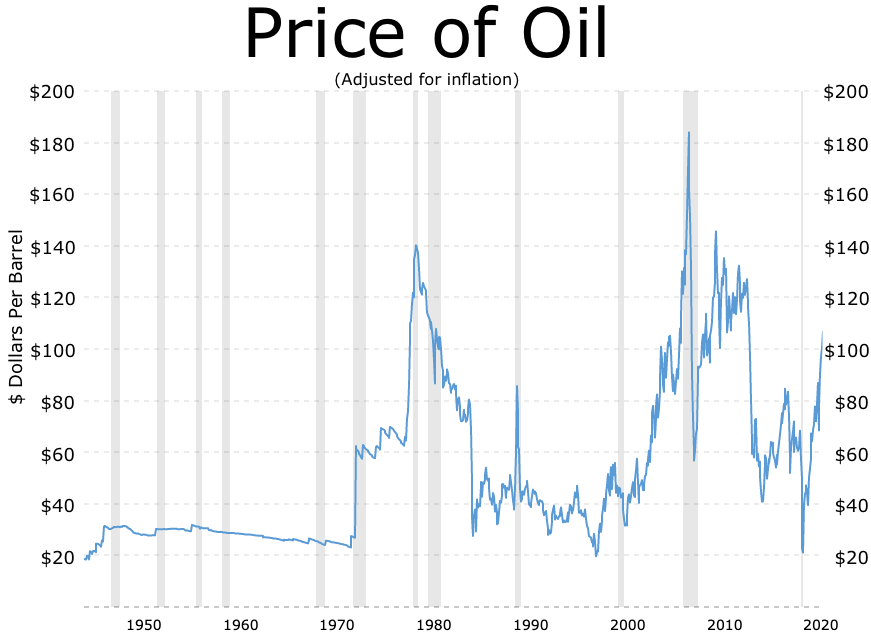
The benchmark status of NYMEX WTI is not without its critics and controversies. A persistent debate revolves around the extent to which futures trading, particularly by financial speculators, can detach WTI prices from underlying physical supply and demand fundamentals, potentially leading to excessive volatility. The concentration of physical delivery at Cushing, Oklahoma, has also led to situations where WTI prices have traded at significant discounts or premiums to Brent crude, sometimes even turning negative in extreme market conditions, as seen in April 2020 due to storage capacity issues. Furthermore, the environmental impact of the crude oil produced and traded under the WTI benchmark remains a significant point of contention for climate activists and sustainability advocates.
🔮 Future Outlook & Predictions
The future of NYMEX WTI is inextricably linked to the global energy transition and evolving geopolitical dynamics. While demand for oil is projected to peak and eventually decline in the coming decades, driven by electrification and efficiency gains, WTI is likely to remain a significant benchmark for years to come, especially for transportation fuels and petrochemical feedstocks. The development of new extraction technologies and the potential for increased U.S. production could continue to influence global supply. Furthermore, the increasing role of ESG considerations may lead to greater scrutiny of the WTI supply chain and potential for 'green' oil benchmarks to emerge, challenging WTI's long-standing dominance.
💡 Practical Applications
NYMEX WTI futures contracts are a cornerstone for risk management and price discovery across the energy value chain. Producers use futures to lock in prices for their output, ensuring revenue stability. Refiners hedge against rising feedstock costs, protecting profit margins. Airlines and transportation companies can secure fuel at predictable prices, mitigating operational risks. Speculators and hedge funds engage in trading to profit from anticipated price movements, contributing to market liquidity. The benchmark price also informs investment decisions in exploration and production, influencing capital allocation within the global energy industry.
Key Facts
- Category
- economics
- Type
- product