
Contents
- 🎵 Origins & History
- ⚙️ How It Works
- 📊 Key Facts & Numbers
- 👥 Key People & Organizations
- 🌍 Cultural Impact & Influence
- ⚡ Current State & Latest Developments
- 🤔 Controversies & Debates
- 🔮 Future Outlook & Predictions
- 💡 Practical Applications
- 📚 Related Topics & Deeper Reading
- Frequently Asked Questions
- References
- Related Topics
Overview
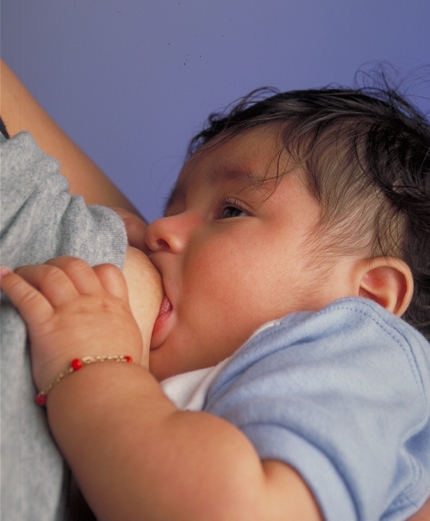
Nutritional guidance for breastfeeding is crucial for both mothers and infants, ensuring that lactating women receive the necessary nutrients to produce high-quality breast milk. Complementary foods should be introduced after the first six months. Proper nutrition during this period not only supports the mother's health but also significantly impacts the infant's growth and immune system development. Key nutrients include protein, calcium, vitamins A, D, and omega-3 fatty acids, which are essential for both the mother and the breastfeeding infant. As awareness of the importance of breastfeeding grows, so does the need for accurate nutritional guidance to support this vital practice.
🎵 Origins & History
The practice of breastfeeding has ancient roots, with evidence of its importance dating back to the Ancient Egyptians and Greeks. In the 20th century, the rise of infant formula in the 1950s and 60s shifted perceptions around breastfeeding, leading to a decline in rates. However, by the late 20th century, organizations like the World Health Organization (WHO) began advocating for breastfeeding, highlighting its numerous health benefits. The historical context of breastfeeding reflects changing societal norms and medical practices, influencing how mothers approach infant feeding today.
⚙️ How It Works
Breastfeeding works through a complex interplay of hormones and nutrients. When a baby suckles, the mother's body releases oxytocin, which stimulates milk ejection, while prolactin promotes milk production. The composition of breast milk is dynamic, adapting to the infant's needs over time. For instance, colostrum, produced in the first few days postpartum, is rich in antibodies and essential nutrients. As breastfeeding continues, the milk transitions to mature milk, which contains higher levels of fat and carbohydrates. This biological process ensures that infants receive optimal nutrition tailored to their developmental stages, underscoring the importance of maternal nutrition in supporting this mechanism.
📊 Key Facts & Numbers
Nutritional guidelines recommend that breastfeeding mothers consume an additional 500 calories daily, focusing on protein, calcium, iron, and vitamins A and D. These numbers illustrate the critical role of nutrition in breastfeeding success and infant health.
👥 Key People & Organizations
Several key organizations and individuals have shaped the discourse around breastfeeding and nutrition. The World Health Organization (WHO) and the American Academy of Pediatrics (AAP) are at the forefront of promoting breastfeeding guidelines. Experts like Dr. Ruth Lawrence, a pediatrician and author of 'Breastfeeding: A Guide for the Medical Professional,' have contributed significantly to the understanding of breastfeeding's nutritional aspects. Additionally, organizations such as La Leche League provide support and education to breastfeeding mothers, advocating for breastfeeding as a cultural norm.
🌍 Cultural Impact & Influence
Culturally, breastfeeding practices vary widely across the globe. In many cultures, breastfeeding is seen as a natural and essential part of motherhood, while in others, societal pressures may discourage it. For instance, in countries like Norway, breastfeeding rates are high due to supportive policies and cultural acceptance, whereas in the United States, the rates have fluctuated due to various factors, including the rise of formula feeding. The cultural impact of breastfeeding is profound, influencing public health policies and maternal support systems worldwide.
⚡ Current State & Latest Developments
As of 2024, the current state of breastfeeding practices continues to evolve. Initiatives aimed at increasing breastfeeding rates are gaining traction, with campaigns focusing on education and support for new mothers. Recent studies also highlight the long-term health benefits of breastfeeding, reinforcing its importance in maternal and child health strategies.
🤔 Controversies & Debates
Controversies surrounding breastfeeding often center on societal pressures, workplace policies, and the marketing of infant formula. Critics argue that formula companies exploit vulnerable mothers, undermining breastfeeding efforts. Conversely, some advocate for the right to choose formula feeding without stigma. The debate extends to public breastfeeding, with varying laws and cultural attitudes affecting how mothers navigate breastfeeding in public spaces. These tensions highlight the need for a balanced approach to breastfeeding promotion and support.
🔮 Future Outlook & Predictions
Looking ahead, the future of breastfeeding and nutritional guidance appears promising yet challenging. Experts predict that with continued advocacy and education, breastfeeding rates may rise, particularly in regions where support systems are strengthened. Innovations in technology, such as mobile apps for tracking breastfeeding and nutrition, could further empower mothers. However, societal attitudes and economic barriers must be addressed to ensure that all mothers have the resources they need to successfully breastfeed.
💡 Practical Applications
Nutritional guidance for breastfeeding has practical applications in various fields, including healthcare, nutrition, and public policy. Healthcare providers are encouraged to offer tailored nutritional advice to breastfeeding mothers, emphasizing the importance of a balanced diet rich in essential nutrients. Additionally, workplace policies that support breastfeeding, such as designated pumping areas and flexible hours, can significantly impact a mother's ability to continue breastfeeding. These practical steps can lead to improved health outcomes for both mothers and infants.
Key Facts
- Year
- 2024
- Origin
- Global
- Category
- science
- Type
- concept
Frequently Asked Questions
What are the nutritional needs for breastfeeding mothers?
Breastfeeding mothers should aim for an additional 500 calories daily, focusing on protein, calcium, iron, and vitamins A and D. These nutrients are crucial for both the mother's health and the quality of breast milk. The WHO recommends a balanced diet rich in fruits, vegetables, whole grains, and lean proteins to support lactation. Additionally, hydration is vital, with mothers encouraged to drink plenty of fluids to maintain milk production.
How does breastfeeding benefit infants?
Breastfeeding provides numerous benefits for infants, including essential nutrients, antibodies, and a lower risk of infections and chronic conditions. Studies show that breastfed infants have a 50% lower risk of gastrointestinal infections and a 30% lower risk of respiratory infections.