
Contents
- 📜 What Are Nutrition Labels, Anyway?
- 🔍 The Anatomy of a Label: Key Components
- ⚖️ A Brief History: From Public Health to Consumer Choice
- 🤔 The Skeptic's Corner: Where Labels Fall Short
- 🌟 The Fan's Take: Cultural Impact and Empowerment
- ⚙️ How They Actually Work: The Science Behind the Numbers
- 🚀 The Future of Food Labeling: What's Next?
- 💡 Practical Tips for Savvy Shoppers
- Frequently Asked Questions
- Related Topics
Overview
Nutrition labels are your food's autobiography, a standardized summary of its nutritional content designed to help consumers make informed dietary choices. Think of them as the essential cheat sheet for understanding what you're putting into your body, from the macro-nutrients like fats and carbohydrates to the micronutrients such as vitamins and minerals. This information is crucial for managing health conditions, adhering to dietary plans, or simply maintaining a balanced diet. For anyone navigating the grocery aisles, mastering the nutrition label is a fundamental step towards a healthier lifestyle, impacting everything from weight management to chronic disease prevention.
🔍 The Anatomy of a Label: Key Components
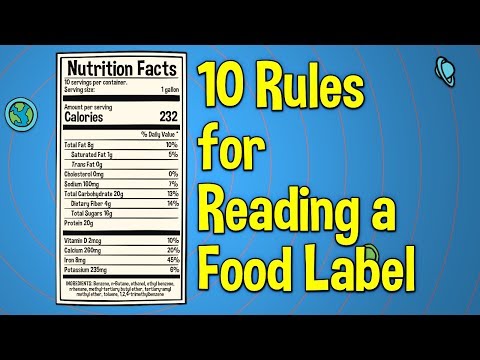
At its core, a nutrition label breaks down key nutritional information per serving. You'll find Serving Size and servings per container, which are critical for accurate calorie and nutrient calculations. Then comes Calories, a direct measure of energy. Following this are macronutrients: Total Fat (including saturated and trans fats), Cholesterol, Sodium, Total Carbohydrate (including dietary fiber and sugars, with added sugars now highlighted), and Protein. Finally, essential vitamins and minerals like Vitamin D, Calcium, Iron, and Potassium are listed, often with their % Daily Value (%DV) to contextualize intake against a 2,000-calorie diet.
⚖️ A Brief History: From Public Health to Consumer Choice
The modern nutrition label has roots stretching back to the Fair Packaging and Labeling Act of 1966 in the United States, which mandated ingredient and net quantity disclosure. However, the comprehensive Nutrition Labeling and Education Act (NLEA) of 1990 truly revolutionized food labeling by requiring standardized nutritional information, including calories, fat, and sodium. This was a significant public health push, aiming to combat rising rates of diet-related diseases. Before this, labeling was often voluntary and inconsistent, leaving consumers largely in the dark about their food's composition.
🤔 The Skeptic's Corner: Where Labels Fall Short
Despite their utility, nutrition labels aren't a perfect oracle. The serving size itself can be misleading, often smaller than what most people actually consume, thus inflating the perceived healthiness of a product. Furthermore, the focus on %DV can obscure the absolute amounts of nutrients, and the distinction between naturally occurring sugars and Added Sugars has been a point of contention and refinement. The complexity of ingredient lists, especially for highly processed foods, can still leave even diligent readers confused about the true nature of their meal.
🌟 The Fan's Take: Cultural Impact and Empowerment
For many, nutrition labels represent a powerful tool for consumer empowerment. They democratize health information, moving it from the exclusive domain of dietitians to the fingertips of every shopper. The ability to compare products side-by-side, to identify hidden sugars or excessive sodium, fosters a sense of control over one's diet. This transparency has fueled movements towards healthier food production and has been instrumental in raising public awareness about the links between diet and overall well-being.
⚙️ How They Actually Work: The Science Behind the Numbers
The numbers on a nutrition label are derived from laboratory analysis of food samples or calculated using nutrient databases. Manufacturers are required to test their products or use established data to determine the nutritional content. The %DV is calculated based on a standard 2,000-calorie diet, meaning 100% DV for fat would be 78 grams, and for sodium, 2,300 milligrams. These values are averages, and slight variations are permitted under FDA regulations to account for natural fluctuations in ingredients and manufacturing processes.
🚀 The Future of Food Labeling: What's Next?
The future of food labeling is leaning towards even greater clarity and personalization. Innovations like front-of-package labeling systems (e.g., the Nutri-Score in Europe or the proposed Health Star Rating in Australia) offer quick visual cues. There's also a growing interest in detailing the origin of ingredients, the environmental impact of food production, and even the presence of allergens beyond the standard list. Digital integration, such as QR codes linking to more detailed information or personalized dietary recommendations, is also on the horizon, promising a more dynamic and responsive approach to food information.
💡 Practical Tips for Savvy Shoppers
To truly decode your food's story, start by always checking the serving size and then multiplying the listed nutrients by the number of servings you actually eat. Pay close attention to Added Sugars, Sodium, and Saturated Fat content, as these are often areas where moderation is key. Don't just look at the %DV; understand what those numbers mean in absolute terms. Compare similar products directly on the label to make the best choice for your dietary goals and health needs. Remember, the label is a guide, not a dictator; use it to build a more conscious and informed relationship with your food.
Key Facts
- Year
- 1990
- Origin
- United States (FDA)
- Category
- Food & Beverage Regulation
- Type
- Topic
Frequently Asked Questions
What's the difference between 'Total Carbohydrate' and 'Dietary Fiber' and 'Sugars'?
Total Carbohydrate is the sum of all carbohydrates in a food, including starches, fiber, and sugars. Dietary Fiber is a type of carbohydrate that the body can't digest and is crucial for digestive health. Sugars include both naturally occurring sugars (like those in fruit and milk) and Added Sugars, which are sugars and syrups put in during processing or preparation. The label now specifically calls out Added Sugars to help consumers limit their intake.
Are the % Daily Values (DV) the same for everyone?
No, the % Daily Value is based on a 2,000-calorie diet, which is a general guideline. Your individual needs for calories and nutrients may be higher or lower depending on your age, sex, activity level, and health status. It's a useful reference point for comparing products, but it's not a personalized prescription.
What does 'trans fat free' really mean on a label?
If a serving contains less than 0.5 grams of trans fat, manufacturers can list it as '0g trans fat.' This is why it's crucial to also check the ingredient list for 'partially hydrogenated oils,' which are a primary source of artificial trans fats, even if the label says 'trans fat free'.
Why are 'Added Sugars' now listed separately?
The separate listing of Added Sugars aims to help consumers understand how much sugar is being added to a product beyond what naturally occurs. High intake of added sugars is linked to various health issues, including obesity, type 2 diabetes, and heart disease. This change provides greater transparency about the sugar content.
Can I trust the calorie count on the label?
Generally, yes. The FDA has established regulations for how manufacturers determine and report calorie counts, including allowances for minor variations. However, as mentioned, the listed serving size is often the biggest variable; if you eat more than one serving, your actual calorie intake will be higher.
What is the role of the [[ingredient list]]?
The ingredient list provides a comprehensive breakdown of everything in the food, listed in descending order by weight. This is vital for identifying allergens, artificial additives, and specific components not highlighted on the main nutrition facts panel. It's your second line of defense after the nutrition facts for understanding what you're consuming.