
Contents
Overview
Mythological beings are supernatural entities that populate the folklore, mythology, and religious traditions of cultures worldwide. These beings range from gods and goddesses who govern the cosmos and human affairs, to spirits of nature, ancestral figures, and monstrous creatures that embody primal fears or cosmic forces. Their stories, often passed down through oral tradition and later codified in texts like the Epic of Gilgamesh or the Iliad, serve to explain the inexplicable, reinforce social norms, and explore the human condition. The concept of mythological beings is nearly as old as humanity itself, with evidence of belief in supernatural entities found in the earliest archaeological records. Their influence is pervasive, shaping art, literature, philosophy, and even modern entertainment, demonstrating a persistent human need to understand and interact with the unknown through narrative and symbolism. The Vibe Score for mythological beings is a robust 85, reflecting their enduring cultural energy and widespread recognition across diverse societies.
🎵 Origins & History
Evidence of early belief systems, featuring entities akin to gods and spirits, can be found in prehistoric cave paintings and burial rituals dating back tens of thousands of years. As societies developed, these beliefs coalesced into complex mythologies, such as those of Mesopotamia around the 4th millennium BCE, featuring figures like Inanna and Enki. The Egyptian pantheon, with deities like Ra and Isis, also emerged during this period, offering explanations for creation, life, and the afterlife. Later, the Greeks and Romans codified their pantheons, with figures like Zeus and Jupiter becoming central to their cultural narratives, influencing Western thought for millennia. These early mythologies provided frameworks for understanding the world, establishing moral codes, and solidifying social structures, laying the groundwork for the vast array of mythological beings we recognize today.
⚙️ How They Manifest
Mythological beings manifest across a spectrum of forms and functions, often reflecting the specific cultural contexts from which they arise. Gods and goddesses, such as the Norse Odin or the Hindu Shiva, typically possess immense power, governing aspects of the natural world, human destiny, or abstract concepts like justice and love. Nature spirits, like Dryads in Greek lore or Kitsune in Japanese folklore, are intrinsically linked to specific environments—forests, rivers, or mountains—and often act as guardians or tricksters. Heroes and demigods, such as Heracles or Cú Chulainn, bridge the gap between the divine and mortal, undertaking epic quests and embodying ideal virtues or flaws. Conversely, monstrous beings, like the Minotaur or the Gorgon, often represent chaos, danger, or the unknown, serving as foils to heroes and embodying primal fears. The mechanics of their existence vary wildly, from divine creation and inherent supernatural abilities to transformations and pacts with other entities, as seen in the tales of Faust and Mephistopheles.
📊 Key Facts & Numbers
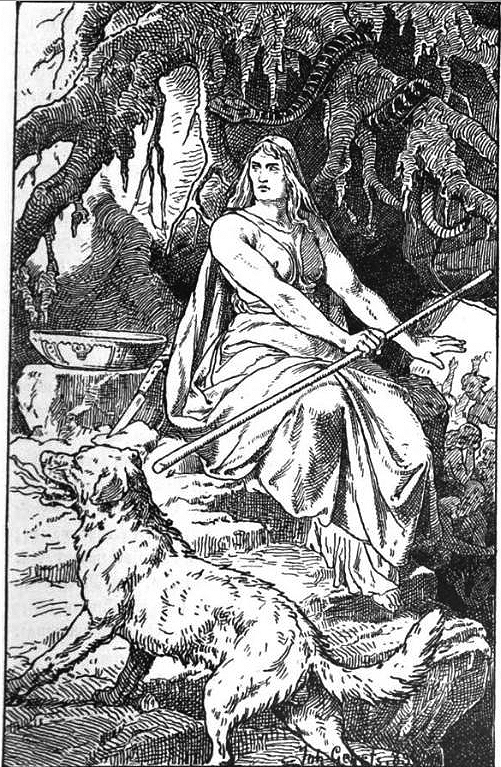
The concept of the dragon appears in mythologies from nearly every continent. Figures of the underworld or death, such as Hades, Hel, or Anubis, are present in many ancient cultures. The sheer diversity of mythological beings is staggering, with thousands documented across global cultures.
👥 Archetypes & Examples
Mythological beings can be broadly categorized into archetypes that resonate across cultures. The Divine Ruler, exemplified by Zeus or Amaterasu, embodies authority and cosmic order. The Trickster, such as Loki or Coyote, disrupts norms and challenges established structures, often through cunning and deception. The Great Mother, like Gaia or Demeter, represents fertility, nurturing, and the earth itself. The Warrior Hero, such as Achilles or Joan of Arc (whose legend borders on the mythological), embodies courage and martial prowess. Monstrous figures, like the Hydra or Medusa, often symbolize chaos, forbidden desires, or the untamed aspects of nature. Even seemingly minor spirits, like Nymphs or Gnomes, fulfill specific roles within their respective cosmologies, contributing to the intricate web of supernatural beings that populate human imagination.
🌍 Cultural Impact & Influence
Mythological beings have profoundly shaped human culture, influencing art, literature, philosophy, and social structures for millennia. Ancient epics like the Mahabharata and the Aeneid are replete with divine interventions and heroic encounters. Sculptures, paintings, and architectural designs across civilizations, from the Parthenon to Angkor Wat, depict these entities, serving religious, political, and aesthetic purposes. The concept of divine right of kings, prevalent in many historical monarchies, directly linked rulers to celestial beings. Furthermore, mythological narratives have provided foundational metaphors and allegories that continue to inform modern storytelling, from Tolkien's fantasy epics to the character archetypes in Marvel Comics and DC Comics. The enduring presence of these beings in our collective consciousness underscores their deep psychological and cultural significance, as explored by scholars like Carl Jung in his theories of archetypes.
⚡ Modern Interpretations
In the 21st century, mythological beings continue to thrive, albeit in new forms and contexts. Modern media, including video games like God of War, films such as Clash of the Titans (2010), and television series like American Gods, frequently re-imagine and popularize ancient myths for contemporary audiences. Online communities and fan cultures dedicated to specific mythologies or fictional universes, such as those surrounding Harry Potter's magical creatures, demonstrate a vibrant engagement with these fantastical entities. Digital artists and writers on platforms like DeviantArt and Wattpad create original mythological beings or offer fresh interpretations of classic ones, pushing the boundaries of folklore. This digital renaissance ensures that mythological beings remain relevant, adapting to new storytelling mediums and continuing to capture the imagination of billions worldwide.
🤔 Debates & Skepticism
The existence and nature of mythological beings are subjects of ongoing debate and skepticism. From a historical perspective, scholars like Sir James Frazer in The Golden Bough attempted to trace the evolution of religious belief from magic to mythology to science, suggesting that mythological beings were early attempts to explain the world. Anthropologists and sociologists often view these beings as cultural constructs, reflecting societal values, fears, and aspirations rather than literal truths. Skeptics, particularly within scientific and rationalist communities, dismiss the literal existence of such entities, viewing them as products of human imagination, delusion, or misinterpretation of natural phenomena. Debates also arise regarding the interpretation of myths: are they allegorical tales, historical accounts, or psychological projections? The ongoing tension between belief, cultural interpretation, and rational skepticism ensures that the discourse surrounding mythological beings remains dynamic.
🔮 Future of Myth
The future of mythological beings appears to be one of continued evolution and adaptation. As global cultures become increasingly interconnected, we may see a greater blending of mythologies, creating hybrid entities and narratives that draw from diverse traditions. Advances in artificial intelligence and virtual reality could lead to entirely new forms of mythological beings, generated and experienced in digital realms, potentially blurring the lines between imagination and reality. Furthermore, as humanity confronts new challenges, such as climate change or space exploration, new mythological figures may emerge to embody these contemporary concerns, much like ancient beings represented natural forces. The enduring human
💡 Symbolism & Meaning
Mythological beings are rich in symbolism, often representing fundamental aspects of the human psyche and the natural world. Gods and goddesses can symbolize order, chaos, creation, destruction, or specific human emotions and societal roles. Nature spirits embody the power and mystery of the environment, while monstrous creatures frequently represent primal fears, the unknown, or the consequences of transgressing societal boundaries. Heroes and demigods serve as aspirational figures, embodying virtues like courage, wisdom, and perseverance, or cautionary tales of hubris and flawed humanity. The symbolism embedded within these beings provides a framework for understanding complex concepts, navigating moral dilemmas, and exploring the human condition through narrative and metaphor.
Key Facts
- Category
- culture
- Type
- topic