
Contents
Overview
The concept of a 'music legacy' isn't a modern invention; it's as old as music itself. Ancient oral traditions, passed down through generations of bards and storytellers, represent an early form of musical legacy, preserving melodies and narratives long before widespread recording. The advent of written musical notation in the Middle Ages allowed for the more precise transmission of compositions, enabling composers like Johann Sebastian Bach to exert influence centuries after their death. The Romantic era, with its emphasis on individual genius and emotional expression, further cemented the idea of the composer as a lasting cultural force. The ability to capture and reproduce sound meant that the performances of artists like Robert Johnson or the compositions of Wolfgang Amadeus Mozart could transcend time and geography, forming the bedrock of their enduring impact.
⚙️ How It Works
A music legacy is constructed through a confluence of factors, primarily the artist's output and its reception. This includes the sheer volume and quality of their recorded material – albums, singles, and unreleased demos. Beyond the recordings, the artist's live performances, their stage presence, and their interactions with fans contribute to their legend. Crucially, a legacy is shaped by influence: how their sound, songwriting, or artistic philosophy is adopted, adapted, or reacted against by subsequent generations of musicians. Critical reception, historical re-evaluation, and the artist's role in broader cultural or social movements also play significant roles. The 'Vibe Score' of an artist, a conceptual measure of their cultural energy, often correlates with the strength and longevity of their legacy, reflecting their ability to maintain relevance and resonance.
📊 Key Facts & Numbers
The scale of music legacy can be staggering. The influence of hip-hop music, which emerged in the Bronx in the 1970s, has permeated global culture. Iconic songs like Bob Dylan's 'Like a Rolling Stone' (1965) are cited by critics as having fundamentally altered the lyrical and thematic possibilities of popular music. The legacy of artists like Aretha Franklin is measured not only in her sales but also in her role as a civil rights icon, earning her the moniker 'The Queen of Soul'.
👥 Key People & Organizations
Key figures in shaping music legacies include artists themselves, record producers, music critics, and cultural historians. Producers like George Martin were instrumental in shaping the sonic identity of bands like The Beatles, directly impacting their lasting sound. Critics such as Robert Christgau and Greil Marcus have played pivotal roles in contextualizing and canonizing artists, influencing how their work is perceived over time. Organizations like the Rock and Roll Hall of Fame serve as institutional arbiters of legacy, inducting artists based on their perceived historical significance. Record labels, from early pioneers like Columbia Records to modern giants like Universal Music Group, are crucial in preserving and promoting artist catalogs, thereby sustaining their legacies.
🌍 Cultural Impact & Influence
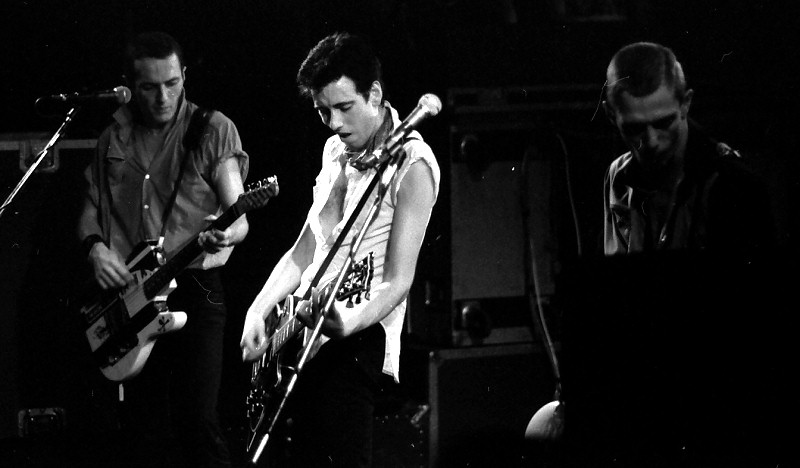
Music legacy is a powerful engine of cultural influence. The sonic innovations of James Brown in funk music laid the groundwork for countless genres, from disco to hip-hop. The visual aesthetic and rebellious spirit of punk rock, exemplified by bands like The Clash, continue to inspire fashion, art, and activism. The lyrical depth and social commentary of artists like Nina Simone have resonated with activists and marginalized communities for decades. Furthermore, the legacy of certain musical movements, like the Motown sound, represents not just a musical era but a significant moment in American social history, breaking down racial barriers through art. The enduring popularity of vinyl records, a format largely supplanted by digital media, is a testament to the tangible aspect of music legacy and the nostalgia it evokes.
⚡ Current State & Latest Developments
In 2024, music legacy is increasingly managed and monetized through digital platforms. Streaming services like Spotify and Apple Music provide unprecedented access to vast back catalogs, allowing older music to find new audiences. Estate management companies are now sophisticated operations, actively curating the legacies of deceased artists, often authorizing new projects, merchandise, and even AI-generated 'new' music. The rise of NFTs has also presented new avenues for artists and their estates to engage fans and create unique digital collectibles tied to their legacy. Debates around sampling and interpolation in hip-hop, where new artists build directly on the sonic foundations of older works, highlight the dynamic and often contentious nature of ongoing musical influence.
🤔 Controversies & Debates
The canonization of artists within music legacy is not without its controversies. Debates often arise over who gets inducted into prestigious halls of fame, with accusations of bias and commercialism frequently leveled. The historical narrative of music can also be exclusionary, often overlooking the contributions of women, artists of color, and musicians from non-Western cultures. Furthermore, the commercial exploitation of deceased artists' images and music, sometimes through posthumous releases or endorsements that the artist would never have approved, raises ethical questions about artistic autonomy and legacy preservation. The very definition of 'influence' is also contested: is it direct imitation, or a more subtle conceptual impact?
🔮 Future Outlook & Predictions
The future of music legacy will likely be shaped by advancements in artificial intelligence and immersive technologies. AI could be used to analyze an artist's entire catalog to generate new music in their style, raising profound questions about authorship and authenticity. Virtual reality concerts and metaverse experiences may offer new ways for fans to engage with the legacies of both living and deceased artists, creating interactive environments that bring their music and persona to life. The challenge will be to leverage these technologies in ways that honor the artist's original intent and artistic integrity, rather than simply commodifying their past work. The concept of 'digital legacy' will become increasingly important, with artists and their estates needing robust strategies for managing their online presence and intellectual property long after their active careers conclude.
💡 Practical Applications
Music legacy has tangible applications across various industries. In advertising, the use of iconic songs from past eras can evoke specific moods and target demographics, leveraging the emotional resonance of established legacies. Film and television soundtracks frequently draw upon classic tracks to enhance storytelling and historical context. The fashion industry often references the styles and aesthetics associated with legendary musicians, creating retro-inspired collections. Furthermore, music education programs often incorporate the study of influential artists and genres to teach students about musical history, theory, and cultural impact, demonstrating the pedagogical value of understanding music's past.
Key Facts
- Category
- culture
- Type
- topic