
Contents
Overview
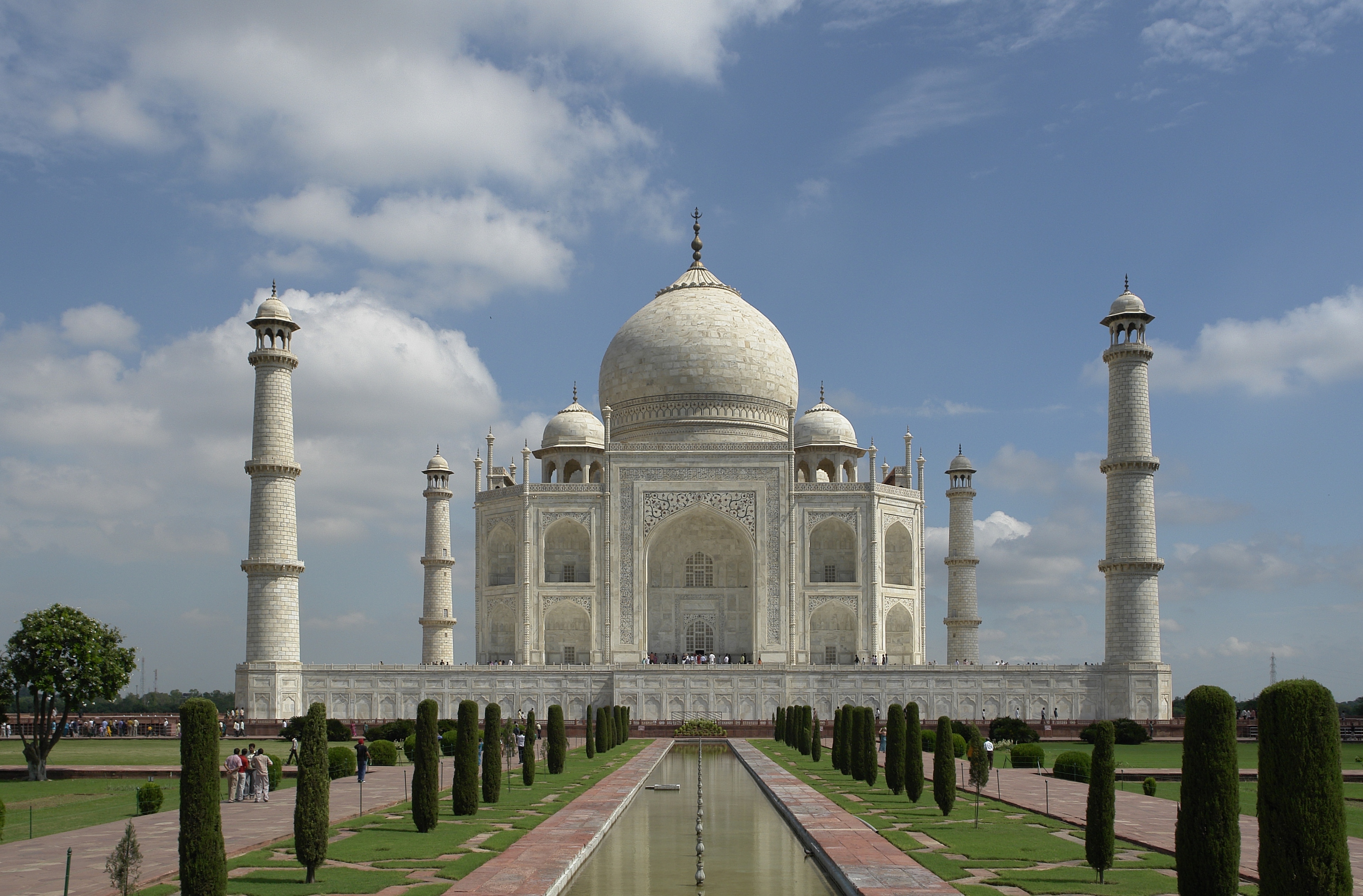
The genesis of Mughal architecture can be traced to the arrival of Babur, the founder of the Mughal Empire, in the Indian subcontinent. Babur, hailing from Central Asia, brought with him a taste for Persianate garden design and monumental building, evident in his early commissions like the Ram Bagh in Agra. However, it was under his grandson, Akbar, that the style truly began to synthesize diverse influences. Akbar's reign (1556–1605) saw the incorporation of indigenous Indian motifs and construction techniques, moving beyond purely Persianate models. This period witnessed the construction of forts like the Agra Fort and the ambitious, though ultimately short-lived, capital city of Fatehpur Sikri, which masterfully blended Islamic and Hindu architectural elements. Later emperors, particularly Shah Jahan, refined the style, emphasizing symmetry, white marble, and exquisite pietra dura inlay, culminating in the iconic Taj Mahal (completed c. 1653) and the Jama Masjid in Delhi.
⚙️ How It Works
Mughal architecture is defined by a sophisticated understanding of geometry, symmetry, and spatial organization. A hallmark is the charbagh, a four-quartered garden layout symbolizing Islamic paradise, often found within tomb complexes or palaces. Buildings typically feature large, bulbous domes, often double-domed for acoustic and aesthetic effect, supported by a drum. Slender minarets, usually placed at the corners of platforms or gateways, provide vertical emphasis. Massive, vaulted gateways (iwans) serve as grand entrances, leading into spacious courtyards. Decoration is paramount, ranging from intricate geometric patterns and calligraphy to floral motifs and elaborate pietra dura (inlay work), particularly prominent during Shah Jahan's reign. The use of red sandstone, often contrasted with white marble, is a signature material choice, creating striking visual effects. The engineering involved sophisticated vaulting techniques and the precise placement of elements to achieve both grandeur and harmony.
📊 Key Facts & Numbers
The Mughal Empire, at its zenith, spanned over 4 million square kilometers, encompassing a vast architectural footprint. Over 100 major monuments are attributed to the Mughal era, with thousands of smaller structures. The Taj Mahal, perhaps the most globally recognized example, reportedly cost around 32 million rupees at the time of its construction, a sum equivalent to billions of dollars today. The Red Fort in Delhi, built by Shah Jahan, is a sprawling complex covering 254 acres (103 hectares) and originally housed an estimated 50,000 people. The construction of these monumental structures often involved tens of thousands of artisans and laborers, with estimates suggesting over 20,000 workers were employed on the Taj Mahal alone. The empire's patronage supported the development of over 15 distinct regional architectural styles that were influenced by Mughal principles.
👥 Key People & Organizations
The Mughal emperors were the primary patrons and driving force behind this architectural movement. Babur initiated the dynasty and its architectural inclinations. Akbar was instrumental in synthesizing Persian and Indian styles, commissioning ambitious projects like Fatehpur Sikri. Jahangir continued the tradition of architectural patronage, though his reign saw a greater emphasis on gardens and less monumental construction compared to his father. Shah Jahan is arguably the most prolific builder, responsible for the Taj Mahal, the Moti Masjid, and significant additions to the Red Forts of Agra and Delhi. Architects like Ustad Ahmed Lahori are credited with the design of the Taj Mahal. The influence extended to prominent noble families and provincial governors who also commissioned buildings in the Mughal style, such as the Bibi Ka Maqbara in Aurangabad, often referred to as the 'Taj of the Deccan'.
🌍 Cultural Impact & Influence
Mughal architecture has profoundly shaped the visual identity of South Asia. Its enduring legacy is visible not only in the surviving monuments but also in subsequent architectural styles, including Rajput and Sikh architecture, and even into colonial-era buildings. The Taj Mahal is a UNESCO World Heritage site and one of the New7Wonders of the World, drawing millions of tourists annually and serving as a global icon of love and architectural brilliance. The aesthetic principles of symmetry, proportion, and intricate decoration have permeated popular culture, influencing everything from interior design to graphic arts. The architectural vocabulary, including elements like the dome, arch, and minaret, has become deeply embedded in the region's visual consciousness, representing a golden age of imperial power and artistic achievement. The very concept of the 'palace' or 'fort' in the subcontinent is often associated with the imposing scale and design of Mughal structures.
⚡ Current State & Latest Developments
While the Mughal Empire officially declined by the mid-19th century, its architectural influence remains potent. Contemporary architectural projects in India, Pakistan, and Bangladesh often draw inspiration from Mughal precedents, sometimes leading to debates about authenticity versus adaptation. Conservation efforts for existing Mughal sites, such as those undertaken by the Archaeological Survey of India and the Walled City of Lahore Trust, are ongoing and crucial for preserving this heritage. New constructions, particularly government buildings and commemorative structures, frequently incorporate Mughal design elements, reflecting a continued national pride in this historical style. The rise of digital archiving and virtual reality tours is also making these historical sites more accessible globally, fostering renewed interest and study.
🤔 Controversies & Debates
One of the primary controversies surrounding Mughal architecture revolves around the attribution of its origins and the extent of indigenous Indian influence versus Persianate contributions. Some nationalist narratives have sought to downplay the foreign influences, emphasizing the indigenous roots, while others highlight the syncretic nature as a testament to cultural exchange. Materials from earlier Hindu and Jain temples were used in the construction of some Mughal monuments, such as the Red Fort and Fatehpur Sikri, which has also been a point of discussion, raising questions about appropriation versus integration. Furthermore, the ongoing debate about conservation versus restoration of these historical sites presents a continuous challenge, with differing opinions on how best to preserve their authenticity for future generations. The sheer scale of patronage also raises questions about the labor conditions and economic impact of such massive building projects.
🔮 Future Outlook & Predictions
The future of Mughal architecture lies in its continued interpretation and adaptation. As urban centers in South Asia grow, there's a potential for new public buildings, cultural centers, and even residential complexes to consciously integrate Mughal design principles, perhaps in modernized forms. This could lead to a revival of certain aesthetic sensibilities, emphasizing courtyards, intricate latticework (jali), and the use of traditional materials. However, the challenge will be to avoid mere pastiche and to create designs that are both historically informed and contextually relevant to contemporary needs and technologies. The ongoing study of Mughal engineering and urban planning might also offer insights for sustainable city development. The global recognition of sites like the Taj Mahal ensures continued interest, potentially leading to new forms of architectural tourism and educational initiatives.
💡 Practical Applications
Mughal architecture's practical applications extend beyond its original purpose as imperial and religious structures. Many former Mughal forts, such as the Agra Fort and the Lahore Fort, now serve as museums and tourist attractions, contributing significantly to local economies. Palaces and garden pavilions have been repurposed as heritage hotels, offering visitors an immersive experience of historical grandeur. The design principles, particularly the emphasis on courtyards for ventilation and natural cooling, continue to inform m
Key Facts
- Category
- aesthetics
- Type
- topic