
Contents
Overview
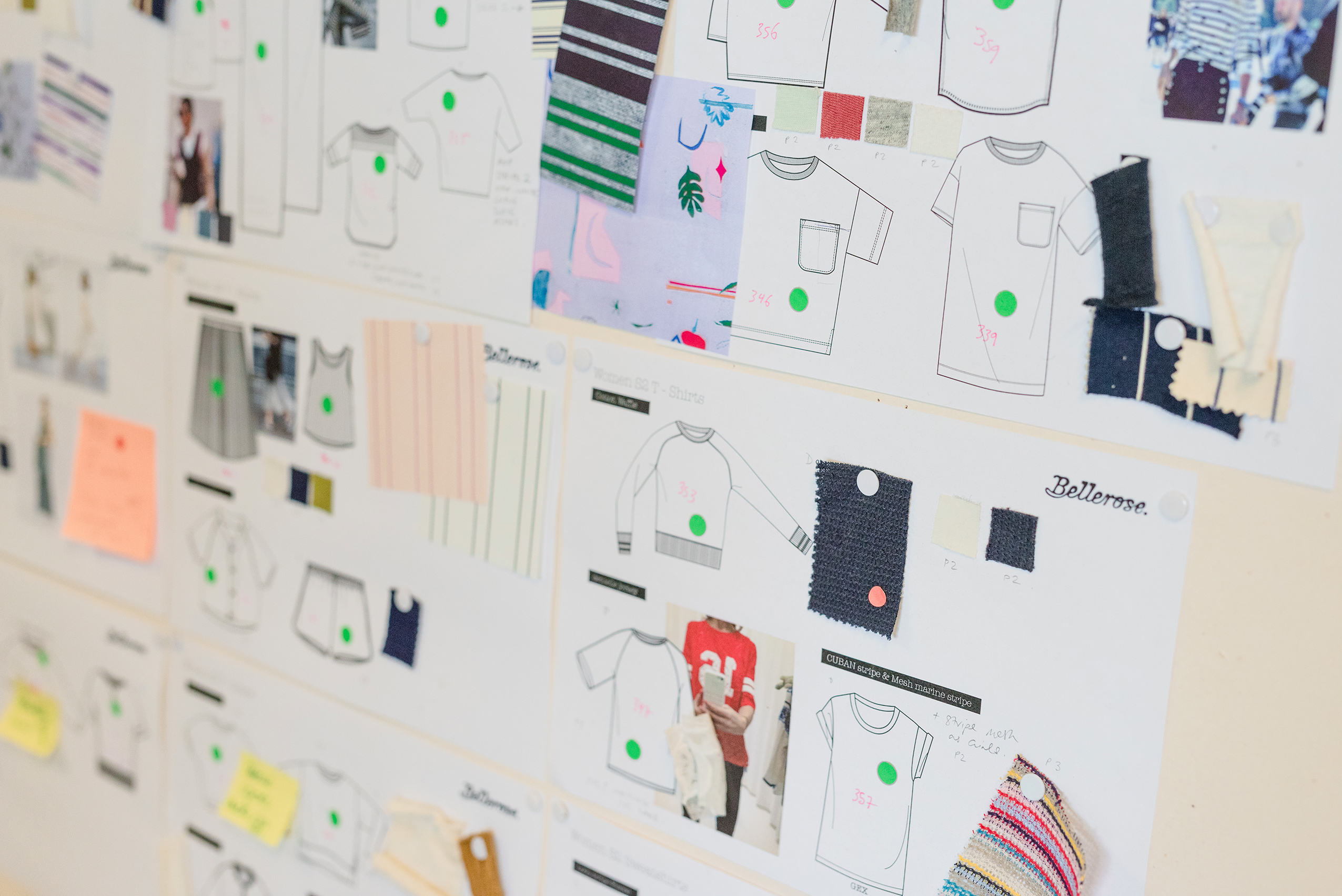
Mood boards are curated visual collections—physical or digital—that serve as a powerful tool for communicating abstract concepts, emotions, and aesthetic directions. They are not merely random assortments but deliberate compositions of images, textures, color palettes, typography, and even physical materials, designed to evoke a specific 'vibe' or feeling. Originating from the need to translate subjective ideas into tangible visual language, mood boards are indispensable in fields like graphic design, interior design, fashion, branding, and web development. They act as a shared reference point, ensuring alignment between clients and creators, and guiding the development process from initial concept to final execution. The digital age has democratized their creation, with platforms like Pinterest and Canva making sophisticated digital mood boards accessible to millions, though the tactile appeal of physical boards persists in many creative studios.
🎵 Origins & History
The concept of a mood board, while popularized in the 20th century, has roots stretching back to the visual storytelling techniques of artists and designers throughout history. Early forms can be seen in the scrapbooks and collage works of artists like Henri Matisse and Pablo Picasso, who experimented with juxtaposing disparate elements to create new meanings. In the realm of interior design, the practice gained traction in the mid-20th century, with designers using physical boards to present fabric swatches, paint chips, and inspirational images to clients. Diane von Fürstenberg utilized mood boards to define the essence of her iconic fashion lines, demonstrating their power in brand building.
⚙️ How It Works
At its core, a mood board functions as a visual narrative, translating abstract ideas into a concrete aesthetic. The process typically begins with defining a core concept, target audience, or desired emotional response. Creators then gather a diverse range of visual elements—photographs, illustrations, color swatches, typography samples, textures, and even small physical objects—that embody this concept. These elements are arranged on a physical board or a digital canvas, often using Photoshop or dedicated online tools. The arrangement is crucial: the interplay of colors, shapes, and textures creates a cohesive 'mood' or 'vibe.' This curated collection serves as a reference point, guiding decisions on everything from color palettes and font choices to material selection and overall design direction, ensuring consistency and reinforcing the intended message.
📊 Key Facts & Numbers
While precise global market data for mood boards is elusive, their impact is quantifiable through related industries. Digital mood board platforms like Pinterest boast over 450 million monthly active users, a significant portion of whom use the platform for creative inspiration and project planning. Companies like Adobe offer integrated tools within their creative suites, indicating the embedded nature of mood boarding in professional workflows, with millions of creative professionals relying on these tools daily.
👥 Key People & Organizations
Key figures in design and branding have implicitly or explicitly championed the use of mood boards. While no single individual 'invented' the mood board, pioneers in fields like graphic design, interior design, and fashion have consistently employed similar visual collation techniques. William Morris, a proponent of the Arts and Crafts movement in the 19th century, created intricate patterns and designs that conveyed a specific aesthetic, akin to a mood board's intent. In contemporary digital design, figures like Jessica Walsh (of & Walsh) and Tinna Lo often showcase their creative processes, which frequently involve mood boards, on social media platforms like Instagram. Organizations like the American Society of Interior Designers (ASID) and the AIGA, The Professional Association for Design implicitly endorse their use through educational materials and best practices.
🌍 Cultural Impact & Influence
Mood boards have profoundly influenced how creative industries communicate and conceptualize. They have democratized the visualization of ideas, moving beyond the exclusive domain of trained artists. The rise of platforms like Pinterest has transformed mood boarding into a widely accessible, social activity, influencing everything from personal style choices to large-scale commercial branding. In fashion, mood boards are critical for defining seasonal collections, dictating trends that can influence global apparel markets worth hundreds of billions of dollars. Similarly, in interior design, they ensure that spaces reflect desired atmospheres, impacting how millions experience their homes and workplaces daily. The ability to quickly convey a complex aesthetic has made them a cornerstone of modern creative workflows, impacting countless product design and marketing campaigns.
⚡ Current State & Latest Developments
The digital landscape continues to evolve mood board creation and utilization. AI-powered tools are emerging that can suggest relevant imagery or even generate initial mood board concepts based on textual prompts, potentially streamlining the ideation process. Platforms like Milanote offer more structured digital whiteboarding experiences tailored for creative projects. While digital boards dominate for ease of sharing and iteration, physical mood boards retain their allure for tactile engagement, particularly in fields like textile design and high-end interior design. The ongoing debate centers on balancing the efficiency of digital tools with the serendipitous discovery and sensory richness offered by physical materials, a tension that will likely shape future developments.
🤔 Controversies & Debates
The primary controversy surrounding mood boards is less about their existence and more about their application and interpretation. Critics sometimes argue that they can oversimplify complex design problems or lead to derivative work if not used thoughtfully. There's a debate about whether relying too heavily on pre-existing imagery stifles true originality or if they are merely efficient tools for capturing and refining existing aesthetic currents. Another point of contention is the 'vibe' aspect: how does one objectively measure or critique the 'mood' conveyed? This subjectivity can lead to misinterpretations between clients and designers, despite the board's intended purpose of clarity. The ease of digital replication also raises questions about intellectual property and the ethical sourcing of imagery, a concern amplified by the sheer volume of content shared online.
🔮 Future Outlook & Predictions
The future of mood boards is likely to be a hybrid one, blending the tactile and the digital, the human and the artificial. Expect more sophisticated AI integration, not just for image sourcing but for analyzing user preferences and predicting aesthetic trends. Virtual and augmented reality could offer immersive mood board experiences, allowing designers and clients to 'step into' a proposed aesthetic. As remote work and global collaboration become more entrenched, digital mood board platforms will continue to refine features for real-time co-creation and feedback. The challenge will be to maintain the intuitive, emotional resonance that makes mood boards so powerful, even as technology advances, ensuring they remain tools for genuine creative expression rather than mere algorithmic output.
💡 Practical Applications
Mood boards are fundamental tools across numerous creative disciplines. In graphic design, they are used to define brand identity, website aesthetics, and marketing campaign visuals. For interior designers, they guide material selection, color schemes, and furniture choices for residential and commercial spaces. Fashion designers employ them to conceptualize collections, influencing everything from garment silhouettes to fabric choices. Web designers use them to establish the look and feel of websites and applications, ensuring a cohesive user experience. Even in fields like product design and event planning, mood boards help to visualize the desired user experience or atmosphere, ensuring all elements align with a central theme or objective.
Key Facts
- Category
- aesthetics
- Type
- topic