
Contents
Overview
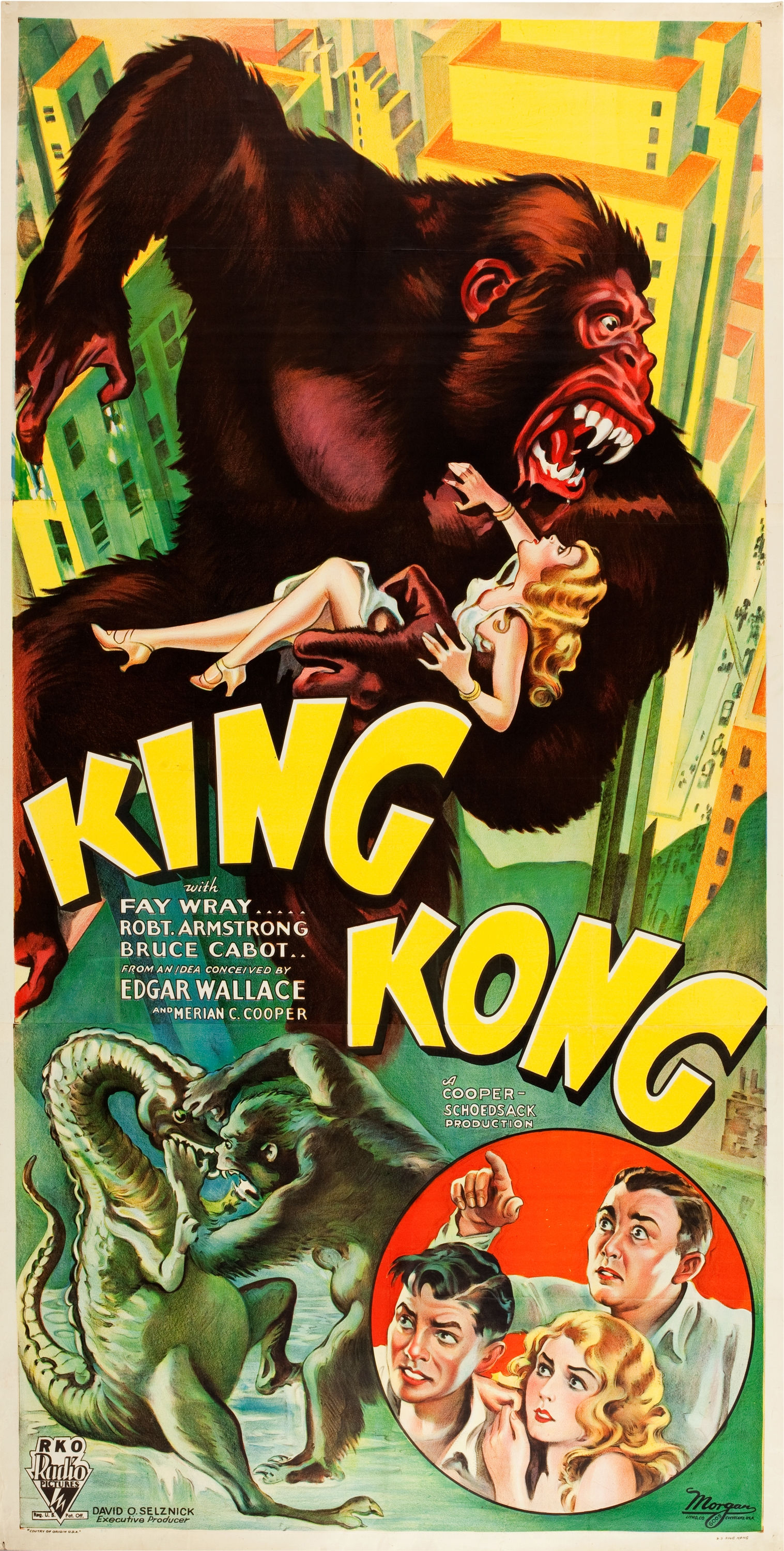
The roots of the monster movie are deeply embedded in humanity's oldest storytelling traditions, drawing from myths, legends, and folklore of creatures that embody chaos and the unknown. Early cinematic adaptations of literary horror, such as Dracula and Frankenstein by Universal Pictures, laid the groundwork by bringing iconic literary monsters to the screen. The genre truly found its footing with King Kong, a groundbreaking film that combined stop-motion animation with dramatic storytelling to create an unforgettable cinematic titan. Post-World War II, the advent of nuclear anxieties gave rise to the Japanese kaiju subgenre, epitomized by Godzilla, which used the giant monster as a potent metaphor for atomic destruction. This era saw a proliferation of B-movies featuring everything from giant insects in Them! to aquatic horrors like The Creature from the Black Lagoon, solidifying the monster movie as a distinct and enduring cinematic force.
⚙️ How It Works
At its core, a monster movie functions by establishing a perceived order, then systematically dismantling it with the introduction of a monstrous threat. The narrative typically follows a pattern: the monster's emergence, escalating attacks that highlight its power and the vulnerability of humanity, attempts to understand or combat the creature, and a climactic confrontation. The effectiveness of a monster movie hinges on several factors: the design and believability of the monster (whether through practical effects, puppetry, or CGI), the audience's emotional investment in the human characters facing the threat, and the thematic resonance the monster carries, often serving as a metaphor for societal fears like environmental disaster, technological overreach, or the unknown. The sound design, from guttural roars to unsettling silence, is also crucial in building suspense and terror, making the unseen as frightening as the seen.
📊 Key Facts & Numbers
The global box office for films explicitly categorized as monster movies or featuring prominent monster elements has consistently drawn significant revenue, with franchises like MonsterVerse alone grossing over $2 billion worldwide as of 2024. Iconic films like Jurassic Park generated over $1 billion globally, demonstrating the commercial viability of creature features. The original King Kong cost approximately $672,000 to produce and earned an estimated $2.8 million in its initial release, a staggering return for its time. The kaiju genre, spearheaded by Toho Co., Ltd.'s Godzilla franchise, has produced over 35 films since 1954, grossing hundreds of millions of dollars internationally. The average budget for a major studio monster film can range from $50 million to over $200 million, with marketing costs often doubling that figure.
👥 Key People & Organizations
Pioneers like Merian C. Cooper and Ernest B. Schoedsack, directors of King Kong, revolutionized special effects with their innovative use of stop-motion animation. In Japan, Ishiro Honda became synonymous with the kaiju genre as the director of the original Godzilla and numerous subsequent entries for Toho Co., Ltd. Legendary producer Ray Harryhausen is celebrated for his mastery of the 'dynamation' technique, bringing creatures to life in films like Jason and the Argonauts and The 7th Voyage of Sinbad. More recently, directors like Guillermo del Toro have revitalized the genre with visually stunning and thematically rich films such as Pan's Labyrinth and Pacific Rim, while Legendary Entertainment has successfully rebooted the Godzilla and King Kong franchises as the MonsterVerse.
🌍 Cultural Impact & Influence
Monster movies have profoundly shaped popular culture, influencing everything from visual effects technology to thematic storytelling in other genres. The iconic imagery of creatures like Godzilla, King Kong, and Xenomorph from Alien are instantly recognizable worldwide, appearing in countless parodies, homages, and merchandise. These films have also served as potent allegories for contemporary anxieties; Godzilla's initial appearance was a direct response to the atomic bombings of Hiroshima and Nagasaki, while films like The Thing tapped into Cold War paranoia. The genre's visual language, particularly its depiction of scale and destruction, has influenced disaster films and even superhero blockbusters, while the 'creature feature' trope remains a staple in horror and science fiction narratives across film, television, and video games like Resident Evil.
⚡ Current State & Latest Developments
The monster movie genre is currently experiencing a robust resurgence, driven by high-budget productions and a renewed interest in classic monsters. Legendary Entertainment's MonsterVerse has proven the commercial viability of interconnected giant monster sagas, with Godzilla Minus One achieving critical acclaim and significant box office success, even winning an Academy Award for Best Visual Effects. Streaming platforms are also investing heavily, with new interpretations of classic creatures and original monster concepts appearing regularly. The ongoing development of advanced CGI and practical effects continues to push the boundaries of what can be visualized on screen, allowing for more complex and terrifying creature designs. Furthermore, the genre is seeing a rise in independent productions that offer fresh perspectives and innovative takes on monster lore, often with smaller budgets but significant creative impact.
🤔 Controversies & Debates
One persistent debate within the monster movie sphere concerns the balance between spectacle and substance. Critics often argue that many modern monster films prioritize CGI-driven action over character development and thematic depth, leading to formulaic narratives. The question of whether monsters should be purely terrifying antagonists or complex beings with their own motivations is also a recurring discussion, with some advocating for more nuanced portrayals that explore the 'monster' as a metaphor for societal ills or misunderstood forces of nature. Another controversy arises from the ethical implications of depicting destruction and death on a massive scale, particularly when these films are perceived to glorify violence or desensitize audiences. The use of CGI versus practical effects also sparks debate, with purists often lamenting the perceived loss of tangible artistry in favor of digital manipulation, though advancements in CGI have undeniably expanded the genre's possibilities.
🔮 Future Outlook & Predictions
The future of monster movies appears to be one of continued evolution, blending technological innovation with a deep understanding of what makes these creatures resonate with audiences. Expect to see further exploration of shared cinematic universes, potentially expanding beyond the MonsterVerse to incorporate a wider array of mythological and original beasts. The increasing sophistication of AI and machine learning could lead to more dynamic and unpredictable monster behaviors, creating novel challenges for protagonists. There's also a growing trend towards genre-bending, with monster elements being integrated into thrillers, dramas, and even romantic comedies, suggesting a broadening of the genre's appeal. Furthermore, as global cinema continues to diversify, we can anticipate more monster movies emerging from regions outside Hollywood and Japan, bringing unique cultural mythologies and creature concepts to the forefront, potentially leading to a richer and more varied landscape of cinematic monsters.
💡 Practical Applications
While primarily entertainment, the concepts and technologies developed for monster movies have found surprising practical applications. The advanced CGI and motion-captu
Key Facts
- Category
- culture
- Type
- topic