
Contents
Overview
Monetarism emerged as a significant school of economic thought, largely associated with the work of Milton Friedman and Anna Schwartz. It gained prominence in the 1970s as an influential critique of Keynesian economics, particularly its emphasis on fiscal policy. Friedman and his colleagues at the University of Chicago developed monetarist ideas, challenging the prevailing view that government spending was the primary tool for managing economic downturns. Early proponents, like Henry Thornton and Irving Fisher, laid groundwork by distinguishing between real and nominal interest rates, a concept monetarists heavily emphasized. The core of monetarism lies in its assertion that controlling the money supply is paramount for economic stability, a stark contrast to the demand-management focus of Keynesianism.
⚙️ How It Works
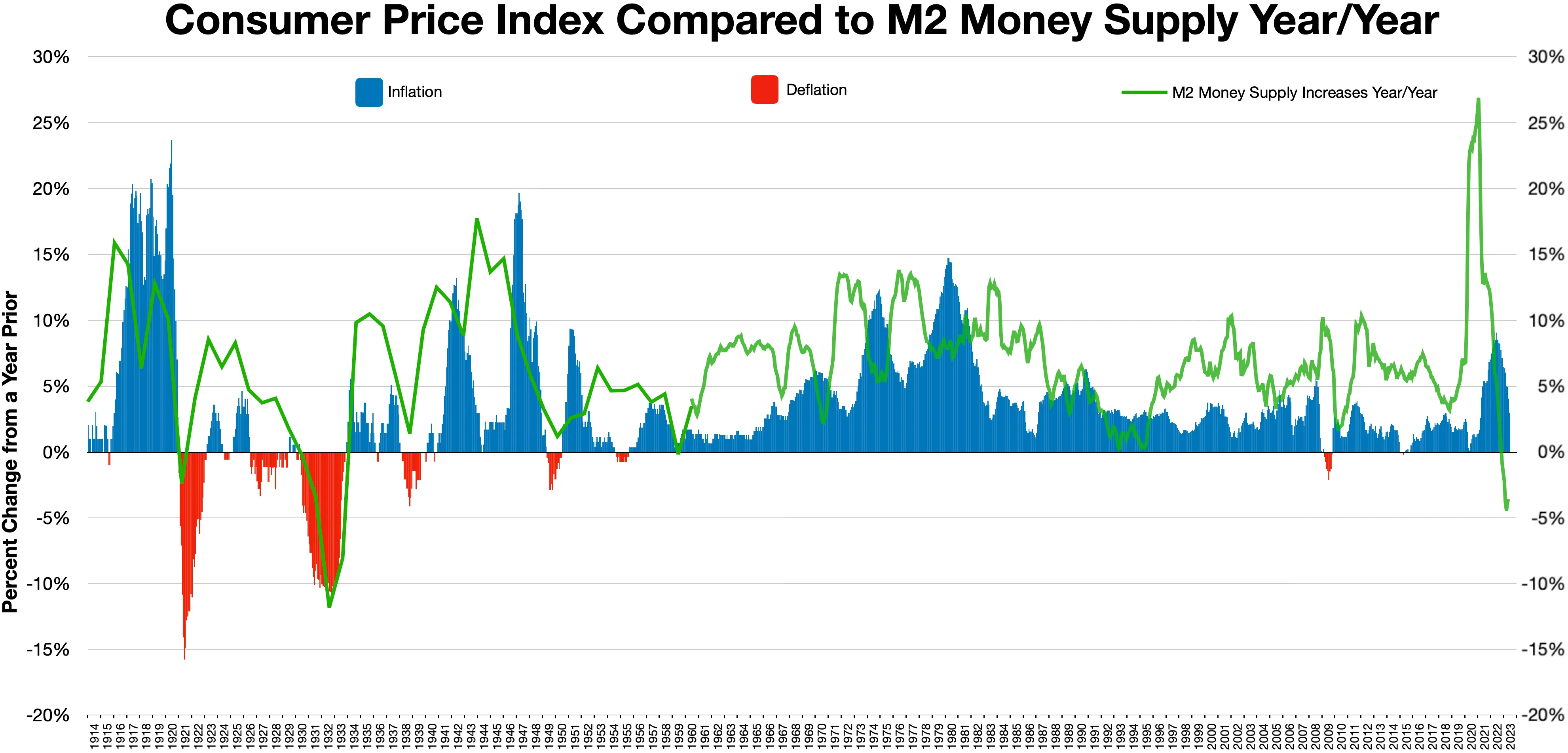
At its heart, monetarism is built upon the Quantity Theory of Money, which posits a direct relationship between the money supply, its velocity, and the price level. Monetarists argue that excessive growth in the money supply is the primary cause of inflation, famously stating that "inflation is always and everywhere a monetary phenomenon." They advocate for a stable, predictable growth rate of the money supply, often proposing a fixed monetary rule, such as Friedman's k-percent rule, where the money supply would grow at a constant annual rate aligned with real GDP growth. This approach aims to prevent discretionary monetary policy, which monetarists believe can lead to instability, much like the debates surrounding the effectiveness of fiscal policy in Keynesian economics.
🌍 Cultural Impact
Monetarism significantly influenced economic policy in the late 20th century, particularly in the fight against high inflation. Central banks in the United States and the United Kingdom adopted monetarist principles in the 1970s and early 1980s, leading to a period of tighter monetary policy. While this approach helped curb inflation, its direct application as a policy guide waned in the following decades due to the perceived instability of monetary aggregates and the rise of inflation targeting. Despite this shift, monetarist insights continue to inform macroeconomic debates, influencing discussions on the role of central banks and the relationship between money, inflation, and economic growth, as seen in ongoing discussions on platforms like Reddit.
🔮 Legacy & Future
While the direct application of monetarist policy rules has largely been superseded by interest rate targeting, the fundamental monetarist tenet that "money matters" remains influential. Milton Friedman's legacy continues to shape macroeconomic thought, with his ideas forming the basis for modern macroeconomics and influencing the adoption of rules-based monetary policy by many central banks. Although the predictive power of monetary aggregates has diminished, they are still considered useful as a cross-check for incipient inflation. The ongoing debate between monetarist and Keynesian perspectives, though evolving, highlights the enduring importance of understanding the role of money in the economy, a topic frequently discussed on platforms like Wikipedia and Investopedia.
Key Facts
- Year
- Mid-20th Century onwards
- Origin
- United States
- Category
- philosophy
- Type
- concept
Frequently Asked Questions
What is the core principle of monetarism?
The core principle of monetarism is that the money supply is the primary determinant of economic activity and inflation. Monetarists believe that controlling the rate of increase in the money supply is the most effective way to ensure economic stability and control inflation.
Who is most associated with monetarism?
Milton Friedman is the economist most strongly associated with monetarism. His work, often in collaboration with Anna Schwartz, laid the theoretical and empirical foundations for the school of thought.
How does monetarism differ from Keynesian economics?
Monetarism emphasizes monetary policy (controlling the money supply) as the primary tool for economic management, while Keynesian economics emphasizes fiscal policy (government spending and taxation). Monetarists believe inflation is a monetary phenomenon, whereas Keynesians may attribute it to other factors like demand shocks or cost-push pressures.
What was the impact of monetarism on policy?
Monetarism gained significant traction in the 1970s and early 1980s, influencing central banks to focus on controlling the money supply to combat high inflation. While its direct policy application has evolved, its core ideas about the importance of money and price stability remain relevant.
Is monetarism still relevant today?
While the direct implementation of monetarist policy rules has largely been replaced by other approaches like inflation targeting, the fundamental insights of monetarism, particularly the link between money supply and inflation, continue to inform macroeconomic analysis and policy discussions. The debate between monetarist and Keynesian ideas persists in various forms.
References
- en.wikipedia.org — /wiki/Monetarism
- imf.org — /external/pubs/ft/fandd/2014/03/basics.htm
- investopedia.com — /terms/m/monetarism.asp
- econlib.org — /library/Enc/Monetarism.html
- investopedia.com — /terms/m/monetarist.asp
- andrew.cmu.edu — /course/88-301/monetarism/monetarism.html
- merriam-webster.com — /dictionary/monetarism
- facebook.com — /Investopedia/posts/discover-monetarism-its-key-principles-and-prominent-figures