
Contents
Overview
The genesis of mod fashion can be traced to the late 1950s in London, a stark contrast to the prevailing conservative styles. Young men were initially termed 'modernists' for their embrace of modern jazz music, sought a distinct identity that rejected the drabness of post-war Britain. This nascent movement coalesced around a desire for sharp, European-inspired tailoring, influenced by continental style and a burgeoning appreciation for American R&B and soul. Early adopters frequented clubs like the 100 Club and the Ad Lib in Soho, where their distinctive look and musical tastes set them apart. This era saw the foundational elements of mod style emerge: slim-cut suits, narrow ties, and a meticulous attention to detail, all fueled by a youthful energy and a rejection of the past. The scene was not just about clothes; it was a holistic lifestyle statement.
⚙️ The Mod Aesthetic
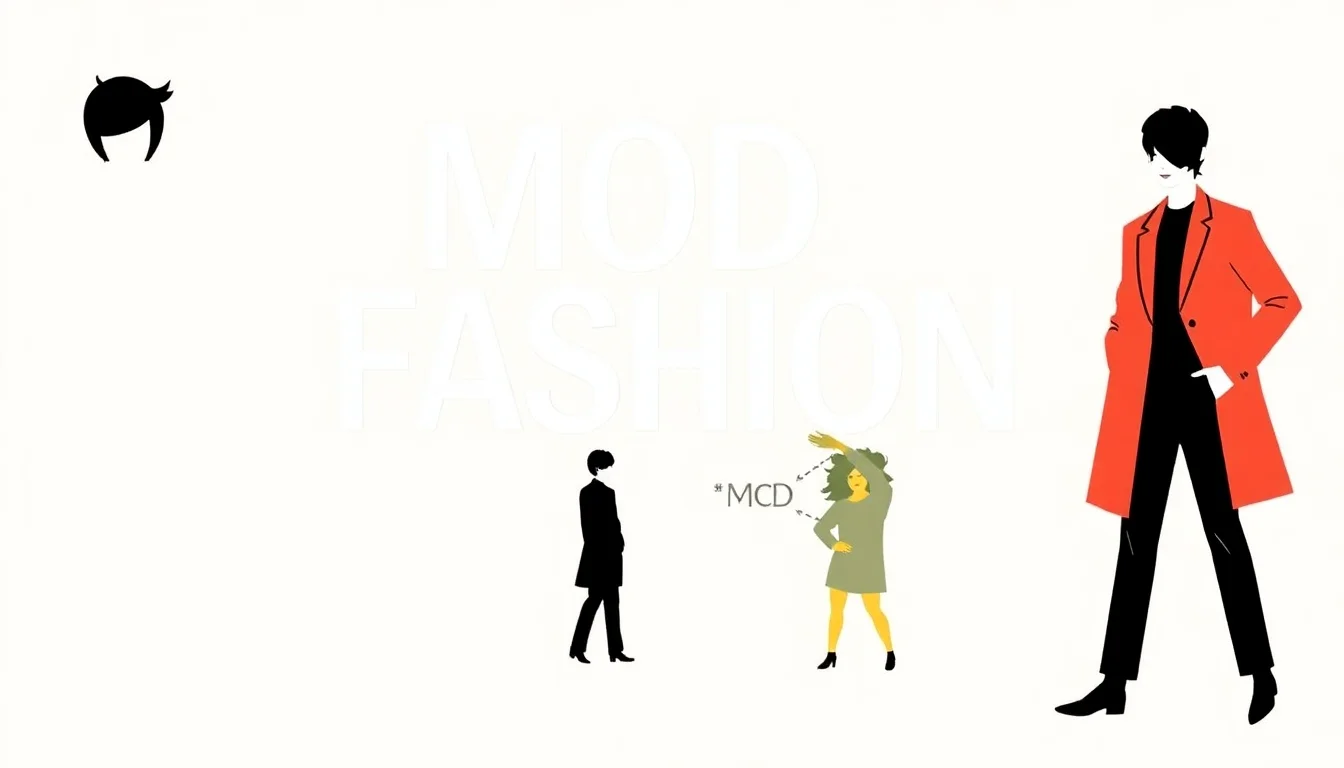
At its core, mod fashion is defined by its clean, sharp, and often androgynous aesthetic. Think tailored Italian-style suits, often in bold checks or solid colours, paired with crisp white shirts and slender ties. Trousers were typically slim-fitting and often featured a turn-up. Knitwear, particularly polo shirts and V-neck sweaters, also played a significant role. Footwear ranged from polished loafers and desert boots to the iconic Chelsea boots. Hairstyles were equally crucial, with the quiff, the short back and sides, and later the mop-top becoming synonymous with the look. The overall silhouette was sleek and forward-looking, a deliberate move away from the more relaxed styles of the preceding decade. This emphasis on sharp tailoring and a streamlined appearance was a direct rebellion against the perceived sloppiness of older generations.
📊 Key Facts & Numbers
The mod movement, though originating in London, quickly gained significant traction. By the mid-1960s, an estimated 100,000 young people across Britain identified with mod culture. The iconic motor scooter, with Lambrettas and Vespas being the preferred brands, saw sales surge, with over 200,000 scooters sold annually in the UK during the early 1960s. The music scene associated with mod was equally massive, with bands like The Who and Small Faces topping charts with hits that defined the era. The influence of American R&B artists like Muddy Waters and Howlin' Wolf was profound, with their records being highly sought after by mod DJs. The economic boom of the 1960s allowed for greater disposable income among young people, facilitating the adoption of these new fashion trends and the purchase of expensive scooters.
👥 Key Figures & Influences
While the mod subculture was a collective phenomenon, certain individuals were instrumental in shaping its fashion and ethos. John Stephen, a tailor and boutique owner on Carnaby Street, is often credited with defining the mod look with his slim-fitting suits and vibrant colours, influencing countless young men. Musicians like Pete Townshend of The Who and Steve Marriott of Small Faces became style icons, their on-stage attire mirroring and amplifying the mod aesthetic. Designers such as Mary Quant, though more associated with the 'youthquake' movement, also contributed to the era's fashion-forward spirit with her accessible and playful designs. The influence of American soul artists like James Brown and Smokey Robinson on mod music taste was immense, driving the demand for specific sounds and styles.
🌍 Cultural Impact & Influence
Mod fashion's impact reverberated far beyond the confines of London's clubs and streets. It fundamentally altered perceptions of youth culture, positioning young people as trendsetters with significant economic and cultural power. The mod aesthetic, with its emphasis on sharp tailoring and bold colours, heavily influenced the broader fashion industry, paving the way for the stylistic revolutions of the late 1960s. The iconic imagery of mods on their scooters, often depicted in films like 'Quadrophenia', cemented mod style in popular culture. Furthermore, the mod obsession with collecting rare American soul and R&B records laid the groundwork for future music subcultures and the vinyl collecting scene. The movement's global reach meant that mod-inspired styles appeared in cities from Tokyo to New York City.
⚡ Modern Mods & Legacy
Though the original mod scene peaked in the mid-1960s, its spirit endures. Contemporary mod subcultures, often referred to as 'modernists', continue to thrive globally, maintaining the core tenets of sharp dressing, specific music tastes (including Northern soul and ska), and scooter rallies. Vintage clothing stores and online retailers specializing in mod attire report consistent demand, indicating a sustained interest in the aesthetic. Many contemporary fashion designers continue to draw inspiration from mod silhouettes and colour palettes, reinterpreting them for modern audiences. The enduring appeal lies in its timeless blend of sophistication, rebellion, and a commitment to personal style.
🤔 Controversies & Debates
One of the most significant controversies surrounding mod fashion was its association with violence, particularly the clashes between mods and rockers in seaside towns like Brighton and Clacton-on-Sea during the mid-1960s. These highly publicized incidents, often exaggerated by the media, led to a perception of mod culture as inherently aggressive. Another point of contention has been the appropriation and commercialization of mod style by mainstream fashion, sometimes diluting its original subcultural significance. Debates also persist within the mod community itself regarding authenticity, with discussions often arising about what constitutes 'true' mod style versus later interpretations or commercial adaptations. The role of amphetamines within the scene, while acknowledged by many participants, has also been a subject of discussion regarding its influence on mod behaviour and culture.
🔮 Future Outlook & Predictions
The future of mod fashion appears to be one of continued influence and adaptation. As global fashion cycles increasingly reference past decades, the clean lines and bold statements of mod style are likely to resurface in new forms. We can anticipate further reinterpretations of the classic mod suit, perhaps with more sustainable fabrics or contemporary fits, appearing on runways. The enduring popularity of scooters as a mode of transport, especially in urban environments, ensures the continued visual connection to the mod aesthetic. Furthermore, the digital age allows for greater dissemination of mod culture, with online communities and social media platforms fostering new generations of enthusiasts and designers. The core principles of sharp dressing and curated musical taste will likely remain, evolving with technological and societal shifts.
💡 Practical Applications
Mod fashion's practical applications extend beyond mere clothing choices. The emphasis on tailored fits and quality fabrics has influenced the ready-to-wear suit industry, making sharp tailoring more accessible. The mod appreciation for specific music genres has directly supported the revival and continued popularity of soul music, R&B, and ska globally, influencing countless musicians and DJs. The iconic imagery of the mod scooter has made it a symbol of youthful freedom and urban mobility, inspiring scooter design and customisation culture. Furthermore, the mod ethos of meticulous self-presentation and attention to detail can be seen as a precursor to modern personal branding and the curated online identities prevalent today. The movement also championed independent boutiques and record stores, fostering a spirit of entrepreneurship and niche market development.
Key Facts
- Category
- aesthetics
- Type
- topic
