
Contents
Overview
The Melbourne Cricket Ground's story begins in 1853, a year after the first intercolonial cricket match was played on its site. Established by the Melbourne Cricket Club (MCC), it was conceived as a premier venue for the burgeoning sport. Its early years were marked by rapid development, with the first major stand erected in 1861. The MCG quickly became the epicentre of Australian cricket, hosting the very first Test match in 1877 against England, a fixture that would become the iconic Ashes series. Later, in 1971, it witnessed the birth of the One Day International (ODI) format. The stadium's capacity has expanded dramatically over the decades, most notably with the construction of the Great Southern Stand in 1992 and subsequent upgrades, transforming it from a colonial-era ground into a modern sporting colossus.
⚙️ How It Works
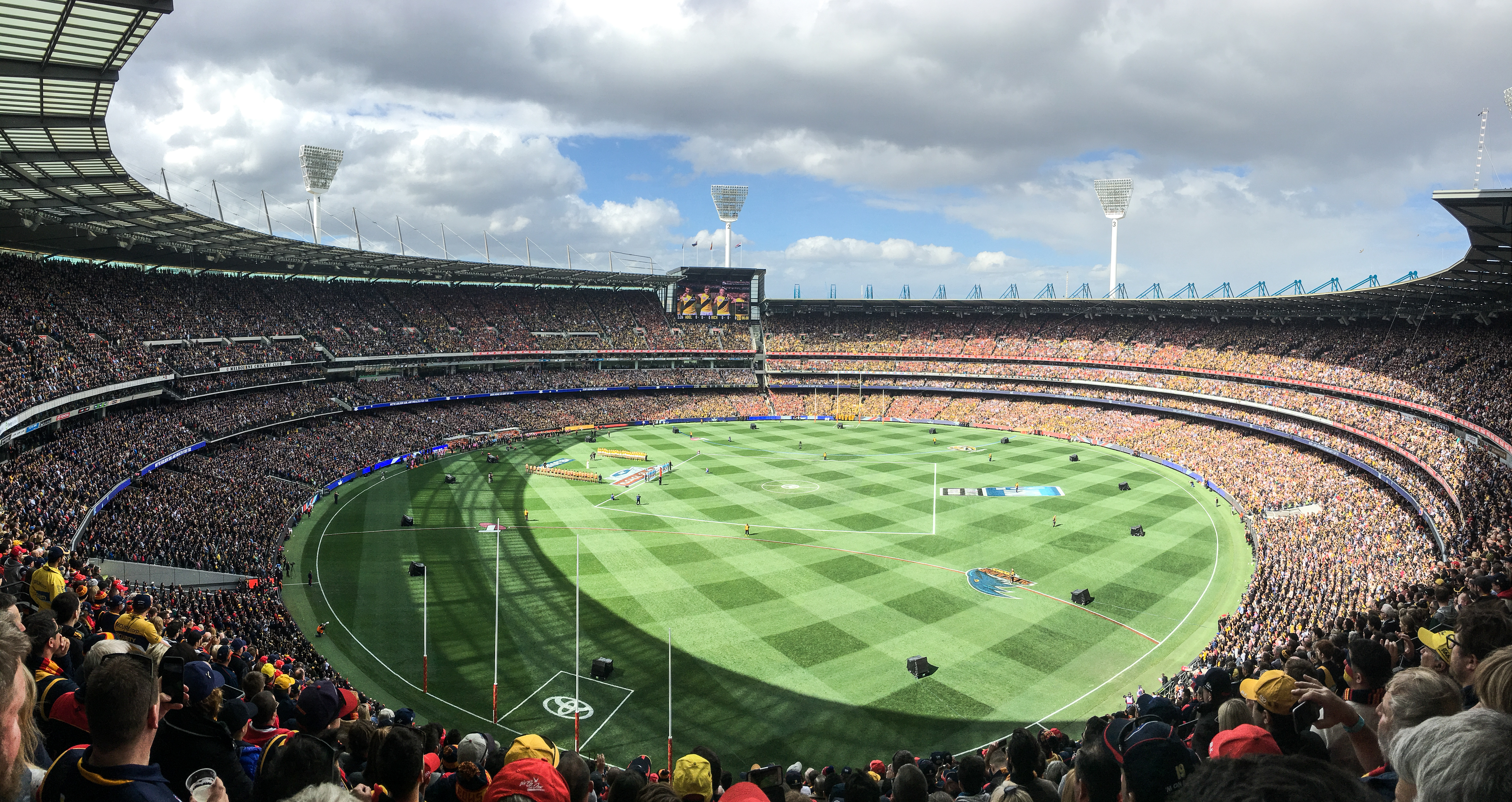
The MCG operates as a multi-purpose venue, meticulously engineered to accommodate a variety of major sporting events and concerts. Its primary function is as a cricket ground, featuring a meticulously maintained turf wicket at its centre. For Australian Rules Football, the playing surface is adapted, with the oval field encompassing the cricket pitch. The stadium's infrastructure includes state-of-the-art broadcast facilities, extensive player amenities, and a sophisticated crowd management system designed to handle capacities exceeding 100,000. Retractable seating and adaptable lighting systems allow for rapid transitions between different event types, ensuring maximum utilization throughout the year. The ground's drainage system is a marvel of engineering, capable of clearing vast amounts of water quickly, a crucial feature for Melbourne's variable weather.
📊 Key Facts & Numbers
With a colossal seating capacity of 100,024, the MCG is the largest stadium in the Southern Hemisphere and the second-largest cricket stadium globally. Its playing arena covers an impressive 7.69 hectares (19 acres). The stadium has hosted crowds exceeding 130,000 in its history, particularly during the early 20th century before modern seating configurations. Over 1.5 million spectators pass through its gates annually for sporting events alone. The MCG has been the venue for two Cricket World Cup Finals (1992 and 2015) and served as the main stadium for the 1956 Summer Olympics and the 2006 Commonwealth Games. Its economic impact on Melbourne is estimated to be hundreds of millions of dollars annually.
👥 Key People & Organizations
The Melbourne Cricket Club (MCC) has been the custodian of the MCG since its inception, managing its operations and development. Key figures in its history include Sir Donald Bradman, whose legendary status in cricket is intrinsically linked to the MCG, and Ron Barassi Jr., a revered figure in Australian Rules Football who played and coached at the ground. Administrators like Sir William Clarke played crucial roles in its early development. More recently, figures like Stuart Fox, the MCG's CEO, have overseen significant modernizations. The stadium also relies on a vast network of groundskeepers, event staff, and security personnel, numbering in the thousands during major events.
🌍 Cultural Impact & Influence
The MCG is more than just a venue; it's a cultural icon deeply embedded in the Australian psyche. It is the spiritual home of Test cricket in Australia and the undisputed coliseum for Australian Rules Football. The annual AFL Grand Final held here is a national event, drawing unparalleled attention. The stadium has witnessed countless iconic sporting moments, from Viv Richards' blistering century to Buddy Franklin's spectacular goals. It has also hosted major international concerts and significant national ceremonies, solidifying its place as a central hub for Australian public life and collective memory. The 'G' vibe is palpable, a blend of history, passion, and shared experience that resonates deeply with Australians.
⚡ Current State & Latest Developments
In 2024, the MCG continues to be a premier venue for both international and domestic cricket, hosting the traditional Boxing Day Test and other major fixtures. It remains the primary venue for the AFL Grand Final and other significant AFL matches. Ongoing upgrades focus on enhancing spectator experience, including improved digital connectivity and premium hospitality offerings. The venue is also exploring further sustainability initiatives, aiming to reduce its environmental footprint. Discussions are also ongoing regarding its role in potential future major international sporting events hosted by Melbourne.
🤔 Controversies & Debates
The MCG's history is not without its controversies. Debates have arisen over the allocation of dates between cricket and Australian Rules Football, particularly concerning the impact on the cricket pitch's condition. The sheer scale of the stadium has also led to discussions about its atmosphere for smaller events, with some arguing it can feel cavernous. Furthermore, the significant cost of ongoing renovations and maintenance has periodically drawn public scrutiny, questioning the balance between public investment and commercial returns. The historical context of its development, like many large public infrastructure projects, has also been subject to re-examination regarding land use and community impact.
🔮 Future Outlook & Predictions
The future of the MCG likely involves continued modernization to maintain its status as a world-class venue. Expect further enhancements to digital infrastructure, catering, and accessibility. There's potential for the stadium to host an even wider array of international sporting events, leveraging its capacity and prestige. Discussions around the long-term sustainability of its operations, including energy efficiency and waste management, will undoubtedly intensify. The ongoing evolution of sports broadcasting and fan engagement will also shape how the MCG adapts its facilities and offerings to meet future demands, potentially incorporating more immersive fan experiences.
💡 Practical Applications
The MCG's primary practical application is as a venue for elite sporting competitions, most notably Test cricket and Australian Rules Football. It also serves as a major concert venue, hosting global music superstars. Beyond entertainment, it functions as a significant tourist attraction, with guided tours offering insights into its history and facilities. The stadium's infrastructure and operational expertise are also leveraged for other large-scale public events and ceremonies. Its role extends to being a training and development hub for athletes and sports administrators, contributing to the broader sporting ecosystem.
Key Facts
- Category
- place
- Type
- place