
Contents
Overview
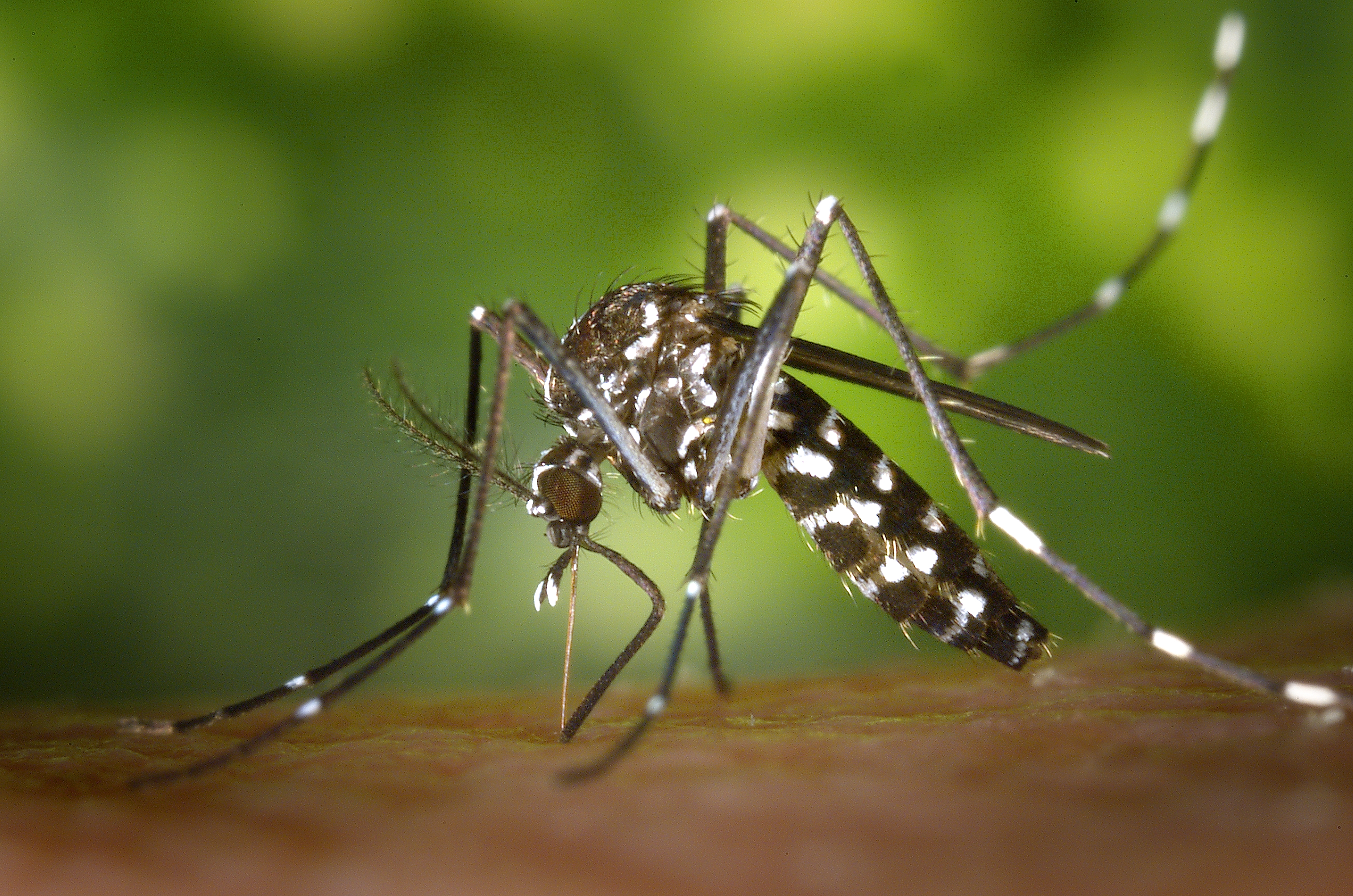
Medical veterinary entomology is a specialized branch of entomology that investigates arthropods, particularly insects, that pose a threat to the health of both animals and humans. This field is crucial because many diseases transmitted by vectors like ticks and mosquitoes can cross species barriers, leading to zoonotic diseases that impact livestock, pets, and ultimately, public health. It encompasses the study of vector behavior, ecology, and the epidemiology of diseases they transmit, with a direct impact on disease prevention and control strategies for both veterinary and public health sectors. The field has seen renewed interest and technological advancements, particularly in areas like vector control and understanding disease transmission dynamics, especially in light of emerging infectious diseases and the resurgence of certain vector-borne illnesses.
🎵 Origins & History
The roots of medical veterinary entomology are intertwined with the broader history of understanding disease transmission. Early observations by figures like Ronald Ross in the late 19th century, who demonstrated the role of mosquitoes in transmitting malaria, laid foundational principles. However, the explicit recognition of the veterinary aspect as a distinct, yet integrated, field gained traction as livestock health became increasingly linked to human well-being. The concept of zoonoses, diseases naturally transmissible from animals to humans, became a central tenet, bridging the gap between purely human medical entomology and animal health.
⚙️ How It Works
Medical veterinary entomology operates by dissecting the complex relationships between arthropod vectors, animal hosts, and human populations. It involves meticulous field studies to identify and monitor vector populations, understanding their life cycles, host preferences, and biting behaviors. Laboratory work focuses on identifying pathogens within vectors, such as viruses, bacteria, or protozoa, and assessing their infectivity. Epidemiological studies then map disease prevalence and incidence in animal and human populations, correlating these with vector distribution and activity. Control strategies often involve integrated pest management (IPM) approaches, including environmental modifications, biological controls, and the judicious use of insecticides, all tailored to specific vector-host-pathogen systems.
📊 Key Facts & Numbers
Tick-borne diseases, such as Lyme disease and anaplasmosis, impact both companion animals and humans. The economic impact of vector-borne diseases in livestock alone is estimated to be in the billions of dollars worldwide each year, affecting productivity and trade.
👥 Key People & Organizations
Pioneering figures like Frederick King Holliday and David E. Sonenshine have made significant contributions to understanding tick-borne diseases and their vectors. Organizations such as the World Health Organization (WHO) and the Food and Agriculture Organization of the United Nations (FAO) play critical roles in global surveillance and control efforts. National agencies like the United States Department of Agriculture (USDA) and the Centers for Disease Control and Prevention (CDC) fund research and implement public health initiatives. Academic institutions worldwide, including Cornell University and the London School of Hygiene & Tropical Medicine, house leading research programs in this field.
🌍 Cultural Impact & Influence
The influence of medical veterinary entomology extends far beyond academic circles, shaping public health policy, agricultural practices, and even urban planning. The successful control of diseases like malaria and yellow fever in many regions has been a direct result of entomological interventions. Public awareness campaigns, often spurred by outbreaks of diseases like Zika virus or the resurgence of bed bugs, highlight the societal impact of entomological knowledge. Furthermore, the development of veterinary vaccines and acaricides for livestock is heavily informed by entomological research, safeguarding food supplies and rural economies. The field also influences conservation efforts by understanding how arthropod-borne diseases affect wildlife populations.
⚡ Current State & Latest Developments
The current landscape of medical veterinary entomology is dynamic, driven by factors such as climate change, globalization, and the evolution of insecticide resistance. The rise of novel vector-borne diseases and the re-emergence of established ones, like chikungunya virus and dengue fever, demand constant vigilance and adaptation. Advancements in molecular biology, including CRISPR-Cas9 gene-editing technology for vector control and rapid diagnostic tools for pathogen detection, are revolutionizing the field. Increased focus is also being placed on understanding the impact of environmental changes on vector distribution and behavior, particularly in urban and peri-urban settings.
🤔 Controversies & Debates
Significant controversies exist within medical veterinary entomology, primarily revolving around the efficacy and environmental impact of control methods. The widespread use of synthetic insecticides, while effective, has led to concerns about resistance development in vector populations and potential harm to non-target organisms, including beneficial insects and wildlife. Debates also arise concerning the ethical implications of genetically modified mosquitoes, such as gene drive approaches aimed at eradicating disease-carrying insect populations. Furthermore, the allocation of resources between human and animal health aspects of zoonotic disease control can be a point of contention, especially in regions with limited funding.
🔮 Future Outlook & Predictions
The future of medical veterinary entomology is poised for significant innovation. Predictive modeling, leveraging big data and artificial intelligence, will become increasingly crucial for forecasting disease outbreaks and optimizing control strategies. The development of novel, sustainable control methods, such as endosymbiotic bacteria that reduce vector competence or advanced biological control agents, will gain prominence. Furthermore, a greater emphasis on One Health approaches, fostering interdisciplinary collaboration between human, animal, and environmental health sectors, will be essential for tackling complex zoonotic threats. Expect to see more research into the microbiome of vectors and hosts, potentially revealing new targets for intervention.
💡 Practical Applications
Practical applications of medical veterinary entomology are vast and critical for daily life. In public health, it informs mosquito control programs to prevent diseases like malaria, Zika virus, and encephalitis. For livestock producers, it guides strategies to protect cattle, sheep, and poultry from ticks, flies, and mites that transmit debilitating diseases, ensuring food security and economic stability. Companion animal health relies on entomological insights for flea and tick control to prevent diseases like heartworm and babesiosis. The pest control industry also draws heavily on entomological principles for managing nuisance arthropods in homes and public spaces, impacting human comfort and hygiene.
Key Facts
- Category
- science
- Type
- topic