
Contents
Overview
The maritime industry is undergoing a profound transformation driven by decarbonization mandates, digital innovation, and geopolitical realignments. From the seismic shift towards alternative fuels like ammonia and methanol to the integration of AI in vessel operations and port management, the sector is grappling with unprecedented challenges and opportunities. Key trends include the increasing adoption of autonomous shipping technologies, the evolution of supply chain resilience in the face of disruptions like the Suez Canal blockage, and the growing importance of cybersecurity for connected fleets. The industry's Vibe Score is currently a dynamic 78/100, reflecting high energy around innovation but also significant tension regarding regulatory compliance and investment costs.
🎵 Origins & History
The roots of maritime industry trends are as old as seafaring itself, evolving from the earliest trade routes established by the Phoenicians and Greeks to the Age of Discovery, which saw European powers like Spain and Portugal chart global waters. The advent of steam power and later, the development of the container ship, revolutionized cargo handling. Each era brought new technologies and economic pressures, from the shift from sail to steam to the optimization of hull designs for greater efficiency, all shaping the fundamental trends that continue to influence maritime operations today.
⚙️ How It Works
Modern maritime operations are a complex interplay of physical infrastructure and digital intelligence. Vessels, ranging from massive LNG carriers to nimble coastal freighters, navigate using sophisticated GPS and ECDIS systems. Ports, the critical nodes of this network, employ advanced AGVs and automated terminal systems for efficient cargo loading and unloading. The flow of goods is managed through intricate supply chain management software, often incorporating blockchain for enhanced transparency and security. Furthermore, the increasing connectivity of ships via satellite internet enables real-time data transmission for performance monitoring, predictive maintenance, and remote operational support, fundamentally altering how vessels are managed.
📊 Key Facts & Numbers
The scale of the maritime industry is staggering. Container shipping accounts for a significant portion of the world's traded goods by volume. The global fleet comprises a vast number of merchant ships, with modern container ships capable of carrying substantial TEUs. The industry's economic impact is immense, with maritime transport contributing significantly to global GDP annually. However, the sector also has an environmental impact, a figure that is under intense scrutiny by bodies like the IMO.
👥 Key People & Organizations
Key figures driving maritime trends include Kitack Lim, Secretary-General of the IMO, who champions decarbonization efforts, and executives from major shipping lines like AP Moller-Maersk and CMA CGM, who are investing billions in greener fleets. Technology innovators such as Wärtsilä and Kongsberg Maritime are at the forefront of developing new propulsion systems and autonomous navigation solutions. Organizations like the International Chamber of Shipping and the World Shipping Council play crucial roles in policy advocacy and industry standards. The emergence of specialized maritime technology firms, such as Seaspan Corporation and Evergreen Marine Corporation, also highlights the evolving corporate landscape.
🌍 Cultural Impact & Influence
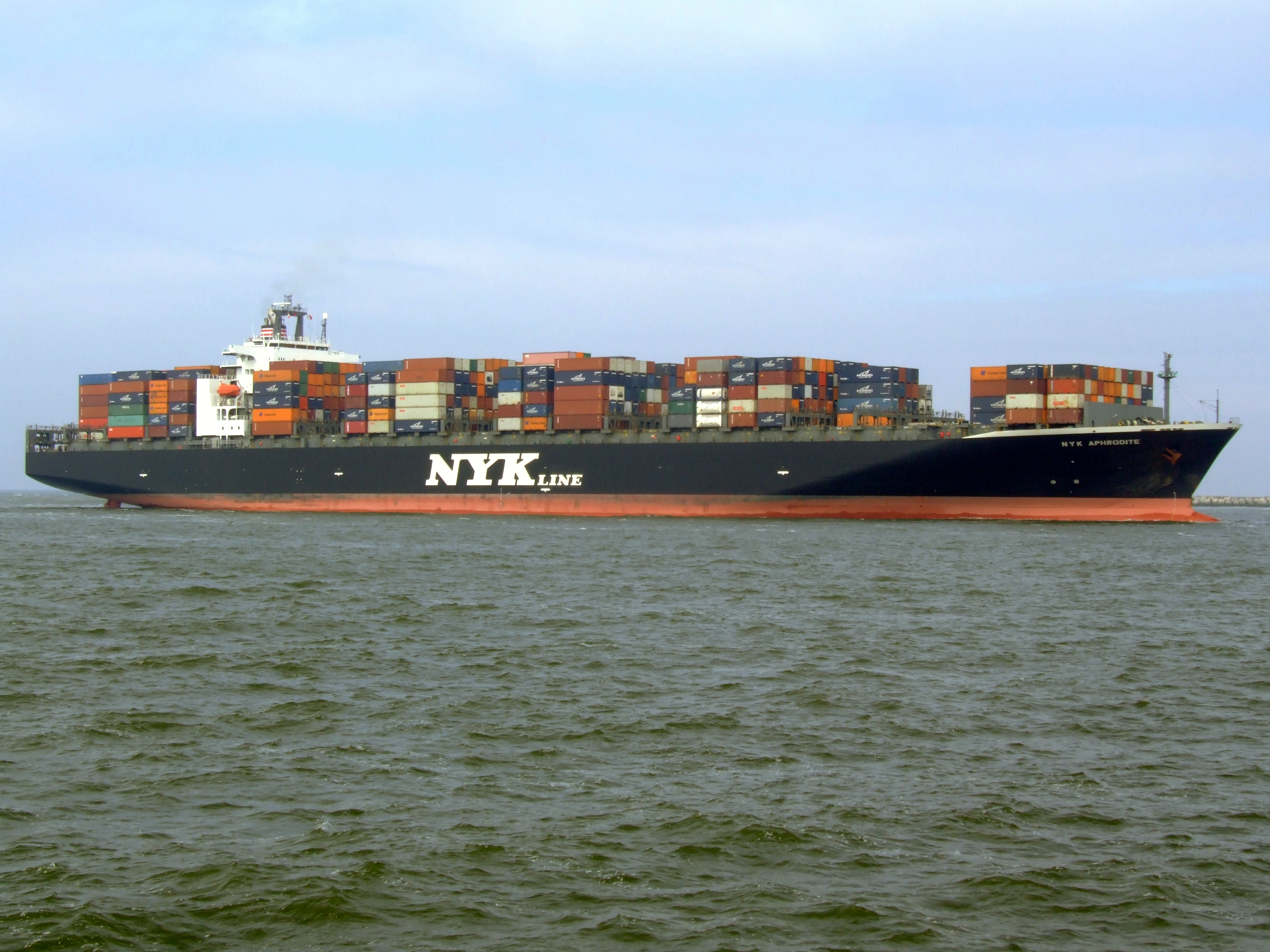
Maritime industry trends have profoundly shaped global culture and economics. The ability to transport goods cheaply and efficiently across oceans has facilitated global trade, making a vast array of products accessible worldwide. The iconic image of a massive container ship is now a symbol of interconnectedness, while port cities have become global hubs of commerce and cultural exchange. The industry's influence extends to popular culture, with maritime themes appearing in literature, film, and art, often reflecting the romance and peril of sea voyages. Furthermore, the environmental impact of shipping has spurred global environmental consciousness, driving demand for sustainable practices and influencing consumer choices.
⚡ Current State & Latest Developments
The current maritime landscape is defined by a rapid push towards decarbonization, driven by the IMO's ambitious emission reduction targets. This is leading to significant investment in alternative fuels, with methanol and ammonia emerging as leading contenders, alongside ongoing research into hydrogen and electric systems. Digitalization continues its relentless march, with increasing adoption of IoT devices for fleet management, predictive maintenance, and enhanced operational efficiency. The development of autonomous vessels is progressing, with pilot projects and regulatory discussions underway. Geopolitical shifts, such as the ongoing conflicts impacting Red Sea shipping routes, are also forcing significant adjustments in trade patterns and vessel routing.
🤔 Controversies & Debates
The most significant controversy revolves around the feasibility and cost of decarbonization. While the IMO has set targets, the path to achieving them is fraught with debate. Critics question whether the infrastructure for alternative fuels will be ready in time and whether the massive investment required will be borne by shipowners, cargo owners, or consumers. The development of autonomous ships also sparks debate regarding safety, job displacement for seafarers, and the legal frameworks required for their operation. Furthermore, the effectiveness of current regulations in truly mitigating the industry's environmental footprint, particularly concerning ballast water and underwater noise pollution, remains a point of contention.
🔮 Future Outlook & Predictions
The future of the maritime industry points towards a greener, smarter, and more autonomous operational paradigm. Expect to see a significant increase in dual-fuel vessels capable of running on both conventional and alternative fuels, with a gradual transition to 100% green ammonia and green methanol as production scales up. AI will become increasingly integrated into vessel operations, optimizing routes, fuel consumption, and cargo management. The regulatory landscape will continue to evolve, with stricter emissions standards and potentially new frameworks for autonomous shipping. The industry may also see further consolidation and the rise of new alliances as companies adapt to changing market dynamics and technological advancements, potentially leading to a more resilient and efficient global supply chain.
💡 Practical Applications
Maritime industry trends have direct practical applications across numerous sectors. For logistics and supply chain managers, understanding these trends is crucial for optimizing routes, managing costs, and ensuring timely delivery of goods. Shipowners and operators are implementing new technologies for fuel efficiency and emission reduction to comply with regulations and enhance competitiveness. Port authorities are investing in automation and digitalization to improve throughput and reduce turnaround times. Naval architects and engineers are designing next-generation vessels that are more sustainable and technologically advanced. Even consumers benefit indirectly through the availability of diverse goods at competitive prices, a direct result of efficient maritime transport.
Key Facts
- Category
- technology
- Type
- topic