
Contents
Overview
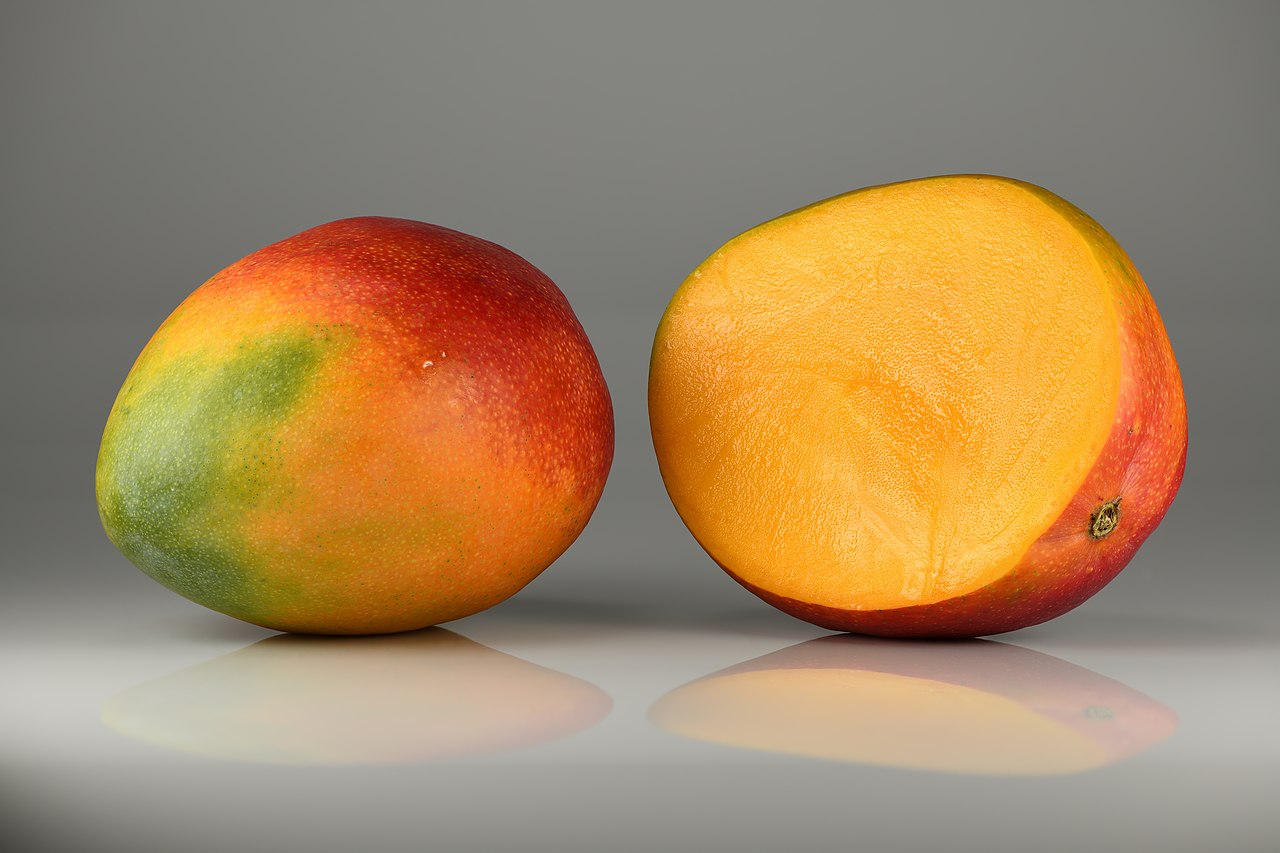
The mango, scientifically known as Mangifera indica, is far more than just a fruit; it's a cornerstone of tropical agriculture and a beloved delicacy worldwide. This stone fruit, characterized by its fleshy pulp and single large seed, grows on trees that can reach impressive heights. Its vibrant colors, ranging from green and yellow to red and orange, hint at the rich, sweet, and often tangy flavor profile that has captivated palates for millennia. Understanding the mango means appreciating its botanical classification as a drupe, a fleshy fruit with a hard, stony layer enclosing the seed, much like a peach or a plum, but with a distinct tropical flair.
🌍 Origins and Global Spread
The story of the mango begins in the verdant landscapes of the Indian subcontinent, with origins traced back to northeastern India, Bangladesh, and Myanmar. Archaeological evidence suggests cultivation dates back thousands of years, making it one of humanity's oldest cultivated fruits. From its ancestral home, the mango embarked on a global journey, carried by traders, explorers, and migrating populations. Its introduction to Southeast Asia led to the development of distinct cultivar lineages, while its eventual spread to Africa, the Americas, and Australia cemented its status as a truly international fruit, deeply embedded in diverse culinary traditions and agricultural economies.
🌱 Cultivation: From Seed to Sweetness
Cultivating mangoes is an art form, requiring specific tropical and subtropical climates with ample sunshine and well-drained soil. The Mangifera indica tree is a long-lived species, with some specimens producing fruit for over a century. Propagation typically occurs through grafting, a technique that ensures desirable traits from parent trees are passed on to new saplings, leading to consistent fruit quality. The flowering and fruiting cycles are influenced by seasonal rainfall and temperature, making mango farming particularly sensitive to climate change and local weather patterns.
🍈 Varieties: A World of Flavor
The world of mangoes is astonishingly diverse, with thousands of named cultivars, each boasting unique characteristics. These can broadly be categorized into two major lineages: the Indian types, often known for their rich, fibrous flesh and intense aroma, and the Southeast Asian types, typically smoother and less fibrous. Iconic varieties include the Alphonso from India, prized for its creamy texture and unparalleled sweetness; the Ataulfo (or Honey) from Mexico, known for its smooth, seedless flesh and vibrant yellow hue; and the Keitt from Florida, a late-season favorite with a mild flavor and firm texture. Exploring these mango varieties is a journey through a spectrum of tastes and textures.
🍽️ Culinary Uses: Beyond the Fruit
While most commonly enjoyed fresh, the mango's versatility extends far beyond simple snacking. Its sweet, tangy flesh is a star ingredient in a myriad of dishes, from refreshing mango lassis and vibrant salsas to decadent desserts like mango sticky rice and mango pies. Unripe green mangoes are a staple in many Asian cuisines, used in pickles, chutneys, and savory salads, offering a tart counterpoint to rich flavors. Mangoes also feature in beverages, including juices, smoothies, and cocktails, showcasing their adaptability across the global food system.
📈 Economic Impact and Trade
The mango is a significant economic driver for many tropical and subtropical nations, with countries like India, China, Thailand, and Mexico being major producers and exporters. The global mango market is valued in the billions of dollars, supporting livelihoods for millions of farmers and workers. However, the industry faces challenges, including fluctuating yields due to weather, pest control, and the complexities of international food trade. Ensuring fair prices for farmers and sustainable production practices remains a key focus for the international mango industry.
🤔 The Mango Debate: Which is Best?
The question of which mango variety reigns supreme is a perennial debate among enthusiasts. Purists might champion the intensely aromatic and fibrous Indian varieties like the Alphonso or Dasheri, while others prefer the smooth, buttery texture of the Ataulfo or the mild, refreshing taste of the Kent. This controversy spectrum highlights the subjective nature of taste and the vast diversity within the fruit itself. Ultimately, the 'best' mango is a matter of personal preference, influenced by regional availability and individual flavor profiles.
💡 Tips for Choosing and Storing
Selecting the perfect mango involves more than just color; it's about scent and feel. A ripe mango will yield slightly to gentle pressure and emit a sweet, fruity aroma near the stem. Avoid fruits with bruised or overly soft spots. For storage, ripe mangoes can be kept at room temperature for a few days, but for longer preservation, refrigerate them. To easily cut a mango, slice down each side of the flat seed, then score the flesh in a grid pattern and push the skin outward to reveal the cubes. This fruit preparation technique ensures minimal waste and maximum enjoyment.
Key Facts
- Year
- c. 2000 BCE
- Origin
- South Asia
- Category
- Food & Agriculture
- Type
- Fruit
Frequently Asked Questions
What is the difference between Indian and Southeast Asian mangoes?
Indian mango cultivars, like the Alphonso, are often characterized by their rich, fibrous flesh and intense aroma, sometimes with a slightly tangy undertone. Southeast Asian varieties, such as the Ataulfo, tend to have smoother, less fibrous flesh and a milder, sweeter flavor. Both lineages have been cultivated for centuries, leading to distinct flavor profiles and textures appreciated globally.
Are mangoes healthy?
Yes, mangoes are packed with nutrients. They are an excellent source of Vitamin C, which supports immune function, and Vitamin A, crucial for vision and skin health. They also contain dietary fiber, aiding digestion, and various antioxidants like mangiferin, which may offer health benefits. However, due to their natural sugar content, moderation is key, especially for individuals managing blood sugar levels.
How do I know if a mango is ripe?
A ripe mango will yield slightly to gentle pressure, similar to a ripe avocado or peach. It should also have a sweet, fruity aroma, particularly around the stem end. Color can be an indicator, but it varies by variety; some ripe mangoes remain green, while others turn yellow or red. Avoid mangoes with significant bruises or soft, mushy spots.
Can I freeze mangoes?
Absolutely. Freezing is an excellent way to preserve mangoes for later use. Peel and slice the mango, then freeze the pieces on a baking sheet until solid before transferring them to an airtight container or freezer bag. Frozen mangoes are perfect for smoothies, sorbets, and baking, though their texture may change slightly upon thawing, making them best suited for blended or cooked applications.
What is the 'mango blush'?
The 'mango blush' refers to the red or pinkish coloration that appears on the skin of some mango varieties as they ripen. This color is due to the presence of pigments called anthocyanins, which develop in response to sunlight. It's not a universal indicator of ripeness, as many ripe mangoes don't develop a blush, and some unripe ones might show it.
Are there non-*Mangifera indica* mangoes?
Yes, while Mangifera indica is the most commercially significant species, other species within the Mangifera genus also produce edible fruits commonly referred to as 'mangoes.' These are often found in the Malesian ecoregion and may have different flavor profiles and textures, though they are less widely known or cultivated internationally compared to M. indica.