
Contents
Overview
The study of mollusks, or malacology, traces its lineage back to antiquity, with ancient Greeks and Romans collecting and describing shells. Early naturalists like Georgius Albertus Boerhaave and Carolus Linnaeus laid foundational taxonomic work. The 19th century saw a surge in descriptive malacology, fueled by global exploration and the burgeoning field of conchology, the study of shells, championed by figures like George Washington Tryon Jr. and John Maynard Channing. This era was characterized by extensive shell collecting and the publication of lavishly illustrated monographs. The 20th century brought a shift towards more ecological, evolutionary, and physiological studies, moving beyond mere shell description to understand the living organisms themselves, with pioneers like William J. Clench at Harvard University establishing major malacological collections and research programs.
⚙️ How It Works
Malacology employs a diverse array of methodologies to investigate the Mollusca. Fieldwork involves systematic surveys, specimen collection (often adhering to strict ethical and legal guidelines), and in-situ observation of behavior and habitat. Laboratory analysis includes detailed morphological examination, dissection for anatomical studies, and the use of microscopy for fine structures. Modern malacology heavily relies on molecular techniques, such as DNA sequencing for phylogenetic analysis to understand evolutionary relationships, population genetics to assess biodiversity and connectivity, and barcoding for species identification. Researchers also utilize ecological modeling, stable isotope analysis to trace diets, and experimental approaches to study physiology, reproduction, and responses to environmental changes, often in collaboration with marine biologists and ecologists.
📊 Key Facts & Numbers
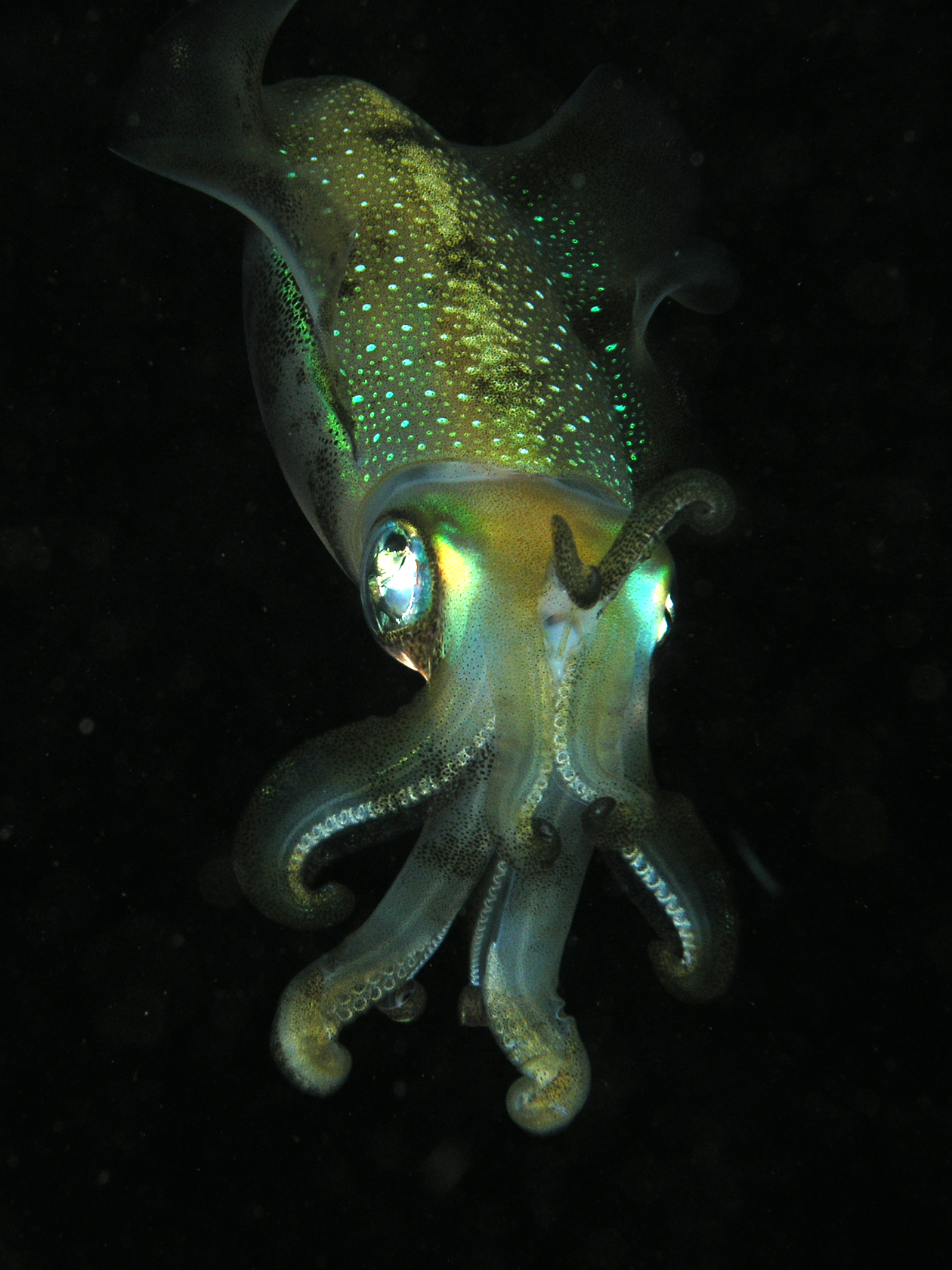
The phylum Mollusca is staggeringly diverse, with an estimated 85,000 to over 100,000 described species. These creatures inhabit nearly every environment on Earth, from the deepest ocean trenches to arid deserts and freshwater lakes. Marine mollusks alone account for approximately 80% of all known species. Economically, mollusks are significant; global aquaculture production of bivalves like oysters and mussels reached over 17 million metric tons in 2020, valued at billions of dollars. Some species, like the giant squid (Architeuthis dux), can reach lengths of up to 13 meters (43 feet), while others, like the land snail Anguispira alternata, are microscopic. The fossil record of mollusks extends back over 500 million years, with over 15,000 fossil species identified.
👥 Key People & Organizations
Key figures in malacology span centuries and continents. Carolus Linnaeus (1707-1778) established the binomial nomenclature system, classifying many early mollusk genera. Hermann von Ihering (1850-1930) made significant contributions to the evolutionary understanding of South American mollusks. In the 20th century, R. Tucker Abbott (1919-1995) was a prolific author and curator, widely recognized for his encyclopedic works on shells. The Malacological Society of London, founded in 1893, and the American Malacological Society, established in 1931, are prominent professional organizations that foster research and communication. Major institutions housing significant malacological collections include the Smithsonian National Museum of Natural History and the Natural History Museum, London.
🌍 Cultural Impact & Influence
Mollusks have permeated human culture for millennia. Their shells have served as currency (e.g., cowrie shells in parts of Africa and Asia), tools, and decorative objects. The iridescent nacre (mother-of-pearl) from oysters has been prized for centuries in art and jewelry. Cephalopods, particularly octopuses and squids, have captured the human imagination in mythology and literature, often depicted as mysterious, intelligent, or monstrous beings, from Krakens in Scandinavian folklore to the alien intelligence of H.P. Lovecraft's Cthulhu. In cuisine, mollusks like oysters, mussels, clams, and calamari are globally significant food items. The study of mollusk shells, conchology, was a popular Victorian hobby, contributing to the development of natural history museums and private collections.
⚡ Current State & Latest Developments
Current malacological research is increasingly focused on conservation and the impacts of global change. Many mollusk species, both terrestrial and marine, are facing severe threats from habitat destruction, pollution, overharvesting, and climate change. For instance, ocean acidification poses a significant risk to shell-forming organisms by hindering calcification. Researchers are actively documenting species extinctions and developing strategies for mollusk conservation, often in collaboration with conservation organizations and governmental agencies. Advances in genomic sequencing are also rapidly transforming the field, allowing for more precise phylogenetic analyses and the identification of cryptic species. The study of mollusk microbiomes and their role in host health is another burgeoning area.
🤔 Controversies & Debates
A significant debate within malacology revolves around species delimitation, particularly for species that exhibit considerable phenotypic plasticity or cryptic diversity. The definition of a 'species' itself can be contentious, especially when relying solely on morphology. Another area of tension is the balance between pure research and applied malacology, particularly concerning mollusks as vectors for diseases like schistosomiasis (bilharzia) and cholera. While some argue for prioritizing research on disease control, others emphasize the intrinsic value of understanding mollusk biodiversity and their ecological roles. The ethics of collecting rare or endangered species for scientific study also remains a point of discussion.
🔮 Future Outlook & Predictions
The future of malacology is intrinsically linked to advancements in technology and the escalating need for biodiversity monitoring. Expect a greater reliance on eDNA (environmental DNA) techniques for non-invasive species detection and population assessment, particularly in aquatic environments. Machine learning and AI will likely play a larger role in analyzing vast datasets from genomic studies and ecological surveys, potentially accelerating species discovery and classification. The impact of anthropogenic pressures on mollusk populations will continue to drive research, with a growing emphasis on resilience and adaptation strategies. Furthermore, the potential for discovering novel bioactive compounds from mollusks for pharmaceutical applications remains a promising avenue, potentially leading to new biotechnology ventures.
💡 Practical Applications
Malacology has numerous practical applications. The study of mollusks as intermediate hosts for parasitic diseases, such as schistosomiasis transmitted by freshwater snails like Biomphalaria and Oncomelania, is crucial for public health initiatives in tropical regions. In agriculture, certain gastropods are significant pests, damaging crops, while others, like edible snails (Helix aspersa), are farmed for food. Marine mollusks, particularly bivalves like oysters, mussels, and clams, are vital components of aquaculture industries worldwide, providing food and supporting coastal economies. Their shells are used in jewelry, crafts, and even as a source of calcium carbonate for industrial purposes. The study of mollusk shell formation also informs materials science, inspiring the development of new composite materials.
Key Facts
- Category
- science
- Type
- topic