
Contents
Overview
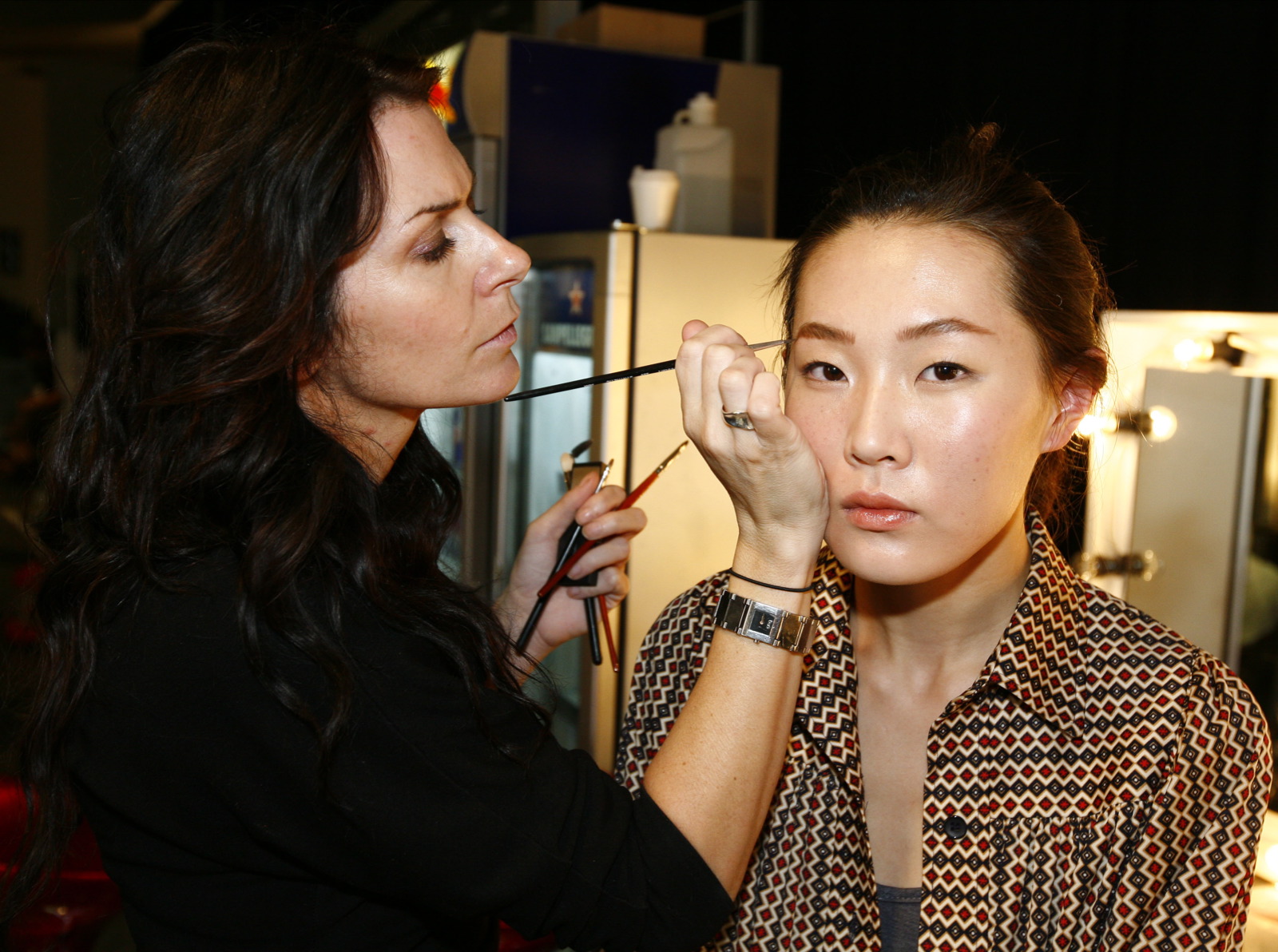
Makeup artists (MUAs) are visual artists who use the human face and body as their canvas, employing cosmetics, prosthetics, and specialized techniques to transform appearances for diverse media. Their work spans the theatrical stage, film and television sets, high-fashion editorials, and personal styling. While some artists are employed in-house by major production companies, the vast majority operate as freelancers, navigating project-based work and demanding flexible schedules. The profession demands a unique blend of artistic skill, technical precision, and an understanding of light, color theory, and character development. Professional licensing is mandated in some regions, underscoring the growing recognition of makeup artistry as a skilled trade within the entertainment industry, with accolades like the Academy Award for Best Makeup and Hairstyling and Emmy Awards celebrating its highest achievements.
🎵 Origins & History
The practice of altering facial appearance for ritual, social status, or performance dates back millennia, with ancient Egyptians using kohl for eye enhancement and Romans employing chalks for pallor. Early film pioneers like Max Factor Sr. developed specialized grease paints for actors to appear more natural on screen, moving away from stage makeup. The establishment of unions like Make-up Artists and Hair Stylists Guild Local 706 formalized the profession within the burgeoning Hollywood industry, setting standards for training and compensation. The evolution from simple cosmetic application to complex character creation, including the use of prosthetics pioneered by figures like Dick Smith, marked a significant expansion of the MUA's role.
⚙️ How It Works
A makeup artist's process begins with understanding the project's vision, whether it's a character's backstory for a film, a brand's aesthetic for a photoshoot, or a client's personal style. This involves extensive consultation, mood board creation, and sketching. The application phase requires meticulous attention to detail, utilizing a vast array of tools such as brushes, sponges, airbrushes, and specialized adhesives. Techniques range from subtle enhancements to dramatic transformations, including contouring, highlighting, color correction, and the application of prosthetic makeup for aging, injury, or fantastical creatures. Sanitation is paramount, with artists rigorously cleaning tools and products between clients to prevent the spread of bacteria and infection. The final look is often assessed under specific lighting conditions relevant to the medium—be it stage lights, camera lenses, or natural daylight.
📊 Key Facts & Numbers
The global makeup artist market is substantial. In the United States alone, there are an estimated 70,000 to 80,000 professional makeup artists, with a significant portion operating as independent contractors. Freelance MUAs can command daily rates ranging from $300 to $1,500 or more, depending on experience, location, and the project's budget. High-profile film and fashion MUAs can earn upwards of $100,000 annually, while those starting out might earn closer to $30,000-$40,000. The demand for specialized skills, such as special effects makeup and airbrush makeup, can further increase earning potential by 15-25%.
👥 Key People & Organizations
Key figures in makeup artistry include pioneers like Max Factor Sr., who revolutionized cosmetic formulations for film, and Dick Smith, often called the 'Godfather of Makeup,' renowned for his groundbreaking work in prosthetic effects for films like The Exorcist. Contemporary icons such as Pat McGrath, celebrated for her avant-garde runway creations, and Charlotte Tilbury, who built a global beauty empire, exemplify the industry's reach. Organizations like the Make-up Artists and Hair Stylists Guild Local 706 in Burbank, California, advocate for artists' rights and professional standards. Major beauty brands like MAC Cosmetics and NARS Cosmetics often employ or collaborate with leading MUAs, further cementing their influence.
🌍 Cultural Impact & Influence
Makeup artists are instrumental in shaping visual culture, dictating trends, and defining character archetypes across media. Their work on screen can influence mainstream fashion and beauty standards, as seen with the iconic looks created for films like Star Wars or television series like Euphoria. In fashion, MUAs like Isomay Paradis and Val Garland collaborate with designers to create memorable runway presentations, often pushing artistic boundaries. The rise of social media platforms like Instagram and TikTok has democratized the field, allowing independent MUAs to build massive followings, share tutorials, and launch their own product lines, bypassing traditional industry gatekeepers. This digital presence has significantly amplified their cultural impact, making them accessible influencers for millions.
⚡ Current State & Latest Developments
The current landscape for makeup artists is dynamic, marked by the increasing integration of digital technologies and a growing emphasis on diversity and inclusion. Virtual try-on technologies and AI-powered makeup design are emerging, offering new tools and potential challenges for traditional artists. The demand for MUAs skilled in representing a wider range of skin tones, textures, and gender identities has surged, prompting a greater focus on specialized training and product development. The proliferation of content creators on platforms like YouTube and TikTok continues to democratize beauty education, with many aspiring MUAs learning and showcasing their skills online. Furthermore, the industry is grappling with sustainability concerns, leading to a greater demand for eco-friendly products and practices.
🤔 Controversies & Debates
One persistent debate revolves around professional licensing and unionization. While unions like Local 706 provide essential protections and benefits for their members in film and television, many MUAs operate outside these structures, particularly in the freelance and bridal markets. Critics argue that mandatory licensing can create barriers to entry for talented individuals, while proponents emphasize its role in ensuring safety standards and fair labor practices. Another area of contention is the increasing commercialization of makeup artistry, with many successful MUAs launching their own brands, blurring the lines between artist and entrepreneur. Questions also arise about the ethical implications of extreme cosmetic transformations and the pressure they may place on individuals.
🔮 Future Outlook & Predictions
The future of makeup artistry appears to be a convergence of technology and artistry. Augmented reality (AR) and virtual reality (VR) are poised to play a larger role, not only in application tools but also in virtual consultations and digital portfolio creation. Expect to see more AI-driven tools assisting in color matching, trend prediction, and even prosthetic design. The demand for hyper-realistic special effects makeup will likely continue to grow, fueled by advancements in 3D printing and bio-compatible materials. Furthermore, the focus on personalized beauty and inclusivity will drive demand for MUAs who can cater to highly specific needs, including medical makeup for cancer patients and gender-affirming transformations. The line between digital and physical makeup will continue to blur, creating new avenues for creative expression and professional development.
💡 Practical Applications
Makeup artists find application across a vast spectrum of industries. In film and television, they are crucial for character development, historical accuracy, and creating believable special effects. For fashion photography and runway shows, they define the aesthetic and brand identity. The wedding industry relies heavily on MUAs for bridal makeup, ensuring clients look their best on significant occasions. In the beauty industry, they serve as brand ambassadors, educators, and product developers. Beyond entertainment, MUAs are employed in medical settings for paramedical makeup, assisting with scar and skin condition camouflage, and in forensic science for reconstructing facial features. The burgeoning influencer marketing sphere also provides significant opportunities for skilled artists.
Key Facts
- Category
- aesthetics
- Type
- topic