
Contents
Overview
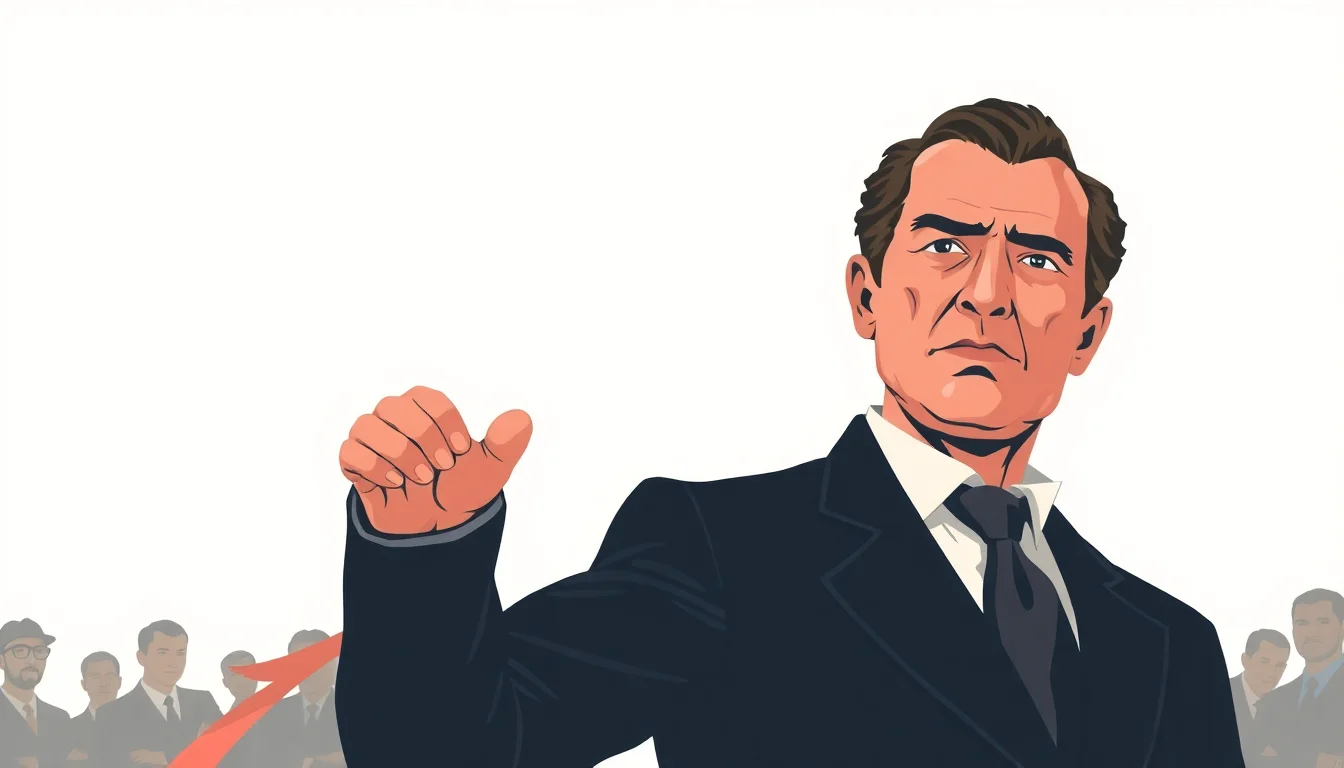
Machiavellianism is a complex concept, primarily defined by the political philosophy of Niccolò Machiavelli and later adapted into personality psychology. In its political sense, it describes a pragmatic, often amoral approach to governance, prioritizing the acquisition and maintenance of power above all else, even at the expense of conventional morality. This perspective, famously articulated in Machiavelli's 1532 treatise The Prince, suggests that rulers must be willing to employ deception, force, and cunning to ensure the stability and survival of the state. In psychology, Machiavellianism is recognized as a personality trait characterized by a manipulative, cynical, and emotionally detached orientation, often associated with the Dark Triad of personality traits alongside narcissism and psychopathy. This dual nature — a political doctrine and a psychological disposition — fuels ongoing debates about its ethical implications and real-world applications.
🎵 Origins & History
The intellectual lineage of Machiavellianism traces directly back to the Florentine diplomat and writer Niccolò Machiavelli. His seminal work, The Prince, published posthumously in 1532, laid bare a starkly pragmatic view of statecraft. Precursors to Machiavelli's ideas can be found in ancient political thought, such as Thucydides's account of the Melian Dialogue, which highlights the 'might makes right' principle in international relations, but Machiavelli synthesized these observations into a coherent, albeit controversial, political doctrine.
⚙️ How It Works
In its political manifestation, Machiavellianism operates on the principle of raison d'état (reason of state), where the interests of the state supersede all other considerations. This involves a calculated assessment of power dynamics, often requiring leaders to employ virtù—a combination of skill, strength, and cunning—to navigate treacherous political landscapes. Machiavellian leaders are adept at manipulating public perception, using propaganda, and employing strategic deception to achieve their objectives. They understand that appearances are crucial and may cultivate a public image that belies their true intentions or methods. This approach emphasizes ends over means, suggesting that any action, however morally questionable, is justifiable if it leads to the preservation and aggrandizement of the state's power and stability. The concept of the 'fox and the lion'—being cunning enough to recognize traps and strong enough to frighten wolves—encapsulates this dual strategy.
📊 Key Facts & Numbers
The psychological construct of Machiavellianism, operationalized by the Mach-IV scale developed by Richard Christie and Florence Geis in their 1970 book Studies in Machiavellianism, quantifies manipulative tendencies. Studies have indicated that individuals scoring high in Machiavellianism are more likely to engage in deceptive behavior in experimental settings.
👥 Key People & Organizations
Beyond Niccolò Machiavelli himself, Richard Christie and Florence Geis are pivotal figures for their empirical work in psychology. In the realm of politics, figures often cited as embodying Machiavellian traits, though not always explicitly adhering to his philosophy, include Otto von Bismarck, known for his Realpolitik, and arguably Cardinal Richelieu, who prioritized French state interests with ruthless efficiency. In contemporary discourse, political strategists and leaders who employ pragmatic, power-focused tactics are frequently labeled as Machiavellian. Organizations like the RAND Corporation and various political science departments at universities such as Harvard University and Oxford University conduct research that touches upon the dynamics of power, strategy, and influence central to Machiavellian thought.
🌍 Cultural Impact & Influence
Machiavellianism has profoundly shaped Western political thought and popular culture. The term 'Machiavellian' has become a pejorative adjective, synonymous with cunning, duplicity, and amoral ambition, often appearing in literature, film, and television. Characters like Francis Underwood from House of Cards or Lord Varys from Game of Thrones embody the Machiavellian archetype, showcasing the strategic manipulation and ruthless pursuit of power that defines the concept. This cultural resonance has, in turn, influenced public perception of politics, often fostering cynicism and distrust towards leaders perceived as overly pragmatic or secretive. The enduring presence of Machiavellian themes in narratives about power underscores their timeless appeal and unsettling relevance.
⚡ Current State & Latest Developments
In 2024, Machiavellianism continues to be a dynamic concept, debated across political science, psychology, and international relations. The rise of social media and the 24/7 news cycle has amplified the visibility of political maneuvering, making leaders' strategic decisions and perceived manipulations more apparent to the public. Psychological research continues to explore the nuances of Machiavellianism, particularly its interplay with other personality traits like narcissism and psychopathy within the Dark Triad framework. Furthermore, analyses of geopolitical conflicts, such as the ongoing tensions in Eastern Europe and the Middle East, often invoke Machiavellian principles to explain the strategic calculations and power plays of state actors. The digital age also presents new avenues for Machiavellian tactics, from sophisticated disinformation campaigns to the exploitation of algorithmic biases.
🤔 Controversies & Debates
The primary controversy surrounding Machiavellianism lies in its perceived endorsement of amorality in politics and interpersonal relations. The psychological construct is also debated, with some questioning whether it represents a distinct personality trait or a constellation of behaviors that can be learned or context-dependent. The application of Machiavellian principles in business and leadership is particularly contentious, raising ethical questions about the long-term consequences of prioritizing power and self-interest over trust and collaboration. The debate often centers on whether Machiavellian tactics are a necessary evil for effective leadership in a flawed world or a corrosive force that undermines societal well-being.
🔮 Future Outlook & Predictions
The future of Machiavellianism will likely be shaped by evolving geopolitical landscapes and advancements in understanding human behavior. As global power dynamics shift, the principles of raison d'état and strategic maneuvering will remain central to international relations, potentially leading to more sophisticated and less transparent forms of statecraft. In psychology, further research may refine the measurement of Machiavellianism and its predictive validity for various life outcomes, potentially identifying more effective strategies for mitigating its negative effects. The increasing integration of AI in decision-making processes could also introduce new dimensions to Machiavellian tactics, raising questions about algorithmic manipulation and the future of human agency in power structures. The enduring human fascination with power and strategy suggests Machiavellianism will continue to be a relevant, if often disquieting, lens through which to view human affairs.
💡 Practical Applications
Machiavellianism finds practical application in various domains, albeit often implicitly. In politics, it informs strategies for campaigning, negotiation, and diplomacy, where understanding opponents' motivations and employing calculated tactics are crucial. In business, leaders may adopt Machiavellian approaches to gain competitive advantages, negotiate deals, or manage organizational politics, focusing on strategic positioning and influence. Military strategy and intelligence operations frequently rely on principles of deception, misdirection, and the calculated use of force, echoing Machiavellian tenets. Even in everyday life, individuals may unconsciously employ Machiavellian tactics in social interactions to achieve personal goals, navigate complex relationships, or asser
Key Facts
- Category
- philosophy
- Type
- topic