
Contents
Overview
The genesis of Louisville traces back to the establishment of a fort at the Falls of the Ohio by George Rogers Clark, a military leader during the American Revolutionary War, a strategic point for westward expansion. Initially named Fort Louisville, the settlement quickly grew. Its early development was heavily influenced by its position on the Ohio River, serving as a crucial port and transportation hub. The city's growth accelerated in the 19th century, attracting diverse populations and industries. A pivotal moment in its modern history was the city-county merger, consolidating the Louisville/Jefferson County Metro Government and streamlining governance across a broader geographic area. This merger aimed to enhance efficiency and regional planning, fundamentally reshaping the administrative landscape of the city and its surrounding county.
⚙️ How It Works
Louisville operates under a consolidated city-county model, known as Louisville Metro. This governmental structure, established in 2003, unified the city of Louisville with Jefferson County, creating a single entity responsible for services across the entire metropolitan area. The mayor, currently Craig Greenberg, serves as the chief executive, while the Louisville Metro Council, a 26-member legislative body, oversees policy and budget. Key departments manage essential services like public safety, public works, and planning and development. The city's infrastructure is significantly shaped by its location on the Ohio River, with extensive port facilities and a robust transportation network that includes major highways like Interstate 64 and Interstate 65.
📊 Key Facts & Numbers
As of the 2020 census, the consolidated Louisville/Jefferson County area boasted a population of 782,969, making it the 27th most populous city in the United States. The city proper, excluding other incorporated areas within Jefferson County, had a population of 633,045. Louisville covers a land area of approximately 171.7 square miles, ranking it as the 24th largest city by area nationally. Its population density, however, is considerably lower, placing it around 265th nationally. The metropolitan statistical area (MSA) extends beyond Jefferson County, encompassing a wider economic and social region. The city's economy is diverse, with key sectors including healthcare, advanced manufacturing, and logistics, contributing to an estimated annual GDP of over $100 billion for the MSA.
👥 Key People & Organizations
Key figures in Louisville's history include its founder, George Rogers Clark, a military leader during the American Revolutionary War. More recently, Greg Fischer served as mayor for three terms (2011-2023), overseeing the city during a period of significant development and social change. The Kentucky Derby is arguably Louisville's most famous institution, managed by Churchill Downs Incorporated, a publicly traded company. The University of Louisville is a major research institution and employer, with its Cardinal athletics program holding significant cultural sway. Numerous bourbon distilleries, such as Brown-Forman (home of Old Forester and Woodford Reserve) and Heaven Hill Distillery, are critical economic and cultural anchors.
🌍 Cultural Impact & Influence
Louisville's cultural footprint is indelibly marked by the Kentucky Derby, an event that transcends sports, becoming a global spectacle of fashion, tradition, and equine excellence. The city is also a pilgrimage site for bourbon enthusiasts, with the Urban Bourbon Trail and numerous distillery tours attracting visitors year-round. Culturally, Louisville exhibits a unique blend of Southern charm and Midwestern pragmatism, reflected in its music scene, which has produced artists across genres from The Monkees' Micky Dolenz (born in Los Angeles but with deep family roots in Louisville) to contemporary hip-hop artists. The city's culinary scene is equally diverse, celebrated for its Hot Brown sandwich and a burgeoning farm-to-table movement, influenced by both regional traditions and global culinary trends.
⚡ Current State & Latest Developments
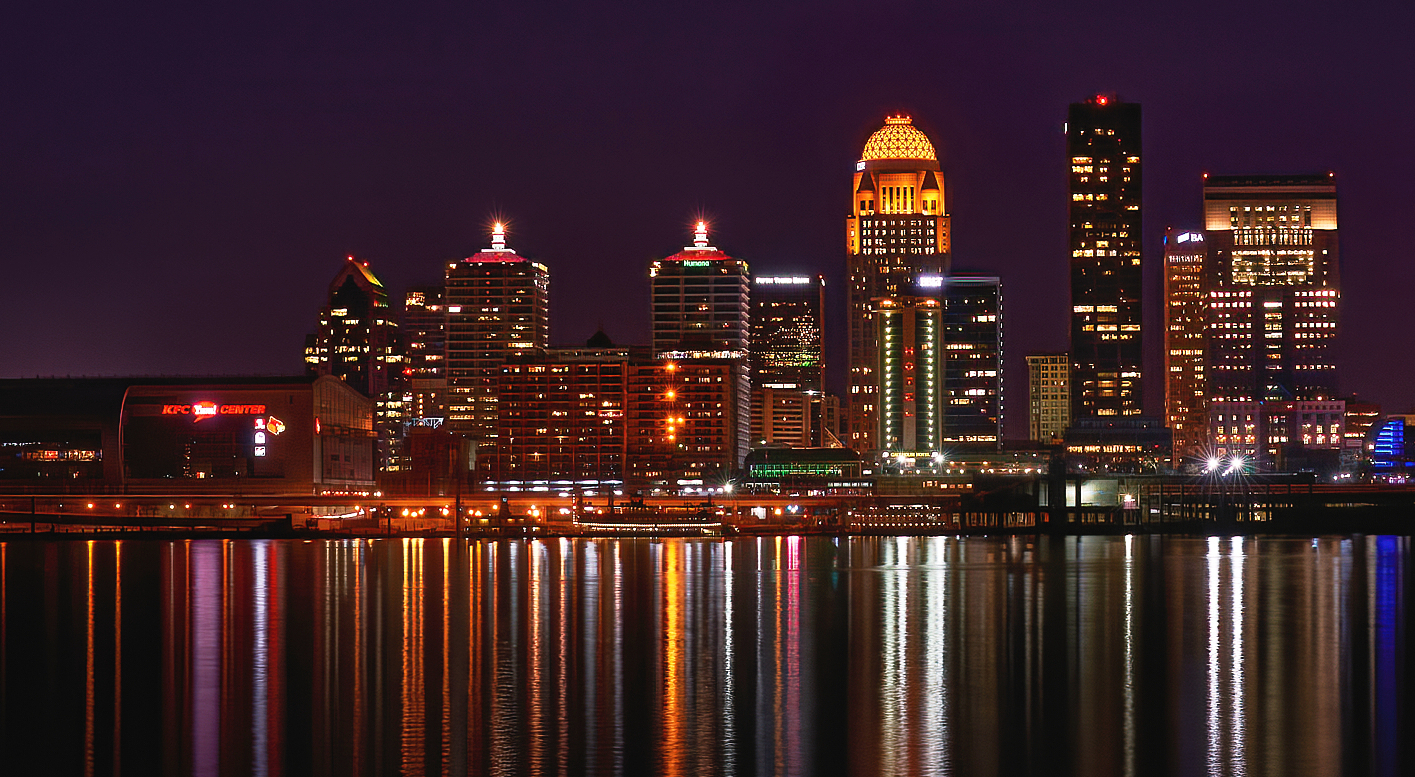
In recent years, Louisville has focused on urban revitalization and economic diversification. The downtown area has seen significant investment in new residential and commercial developments, aiming to increase density and vibrancy. The city continues to leverage its bourbon heritage, with ongoing expansion of distillery tours and related tourism infrastructure, including the new Evan Williams Bourbon Experience. Efforts are also underway to address social equity and infrastructure challenges, particularly in underserved neighborhoods. The Louisville Metro government is actively pursuing initiatives related to sustainable development and public transportation, seeking to enhance the quality of life for its residents and attract new businesses and talent to the region.
🤔 Controversies & Debates
The consolidation of Louisville and Jefferson County in 2003 remains a subject of ongoing discussion. While proponents point to increased efficiency and a unified regional vision, critics sometimes argue that the merger diluted the distinct identities of smaller incorporated cities within the county and that the consolidated government can be less responsive to local needs. Another point of contention has been the city's approach to addressing systemic inequalities and racial disparities, particularly highlighted by protests and calls for reform in recent years. The economic impact of the bourbon industry, while largely positive, also raises questions about land use, environmental impact, and the potential for over-reliance on a single sector.
🔮 Future Outlook & Predictions
Louisville's future trajectory appears closely tied to its ability to capitalize on its established cultural assets while embracing innovation. Continued growth in bourbon tourism and related industries is anticipated, potentially leading to further economic expansion and job creation. The city is also positioning itself as a hub for advanced manufacturing and logistics, seeking to attract companies in these high-growth sectors. Urban development, particularly in the downtown core and along the Ohio River waterfront, is expected to continue, aiming to create a more walkable, livable, and attractive urban environment. Addressing climate resilience and sustainable infrastructure will also be critical as the city adapts to future environmental challenges.
💡 Practical Applications
Louisville's most prominent practical application is its role as a global center for bourbon production and tourism. The city's numerous distilleries offer immersive experiences, from historical tours to high-tech production facilities, attracting millions of visitors annually and driving significant revenue. Beyond bourbon, Louisville serves as a major logistics and distribution hub, with UPS Airlines operating its primary global air cargo hub at Louisville International Airport. The city's healthcare sector, anchored by Baptist Health Louisville and UofL Health, provides advanced medical services and research, contributing to the regional economy and public well-being. Its equestrian facilities, most notably Churchill Downs, are utilized for racing, training, and other equine events throughout the year.
Key Facts
- Category
- place
- Type
- topic