
Contents
Overview
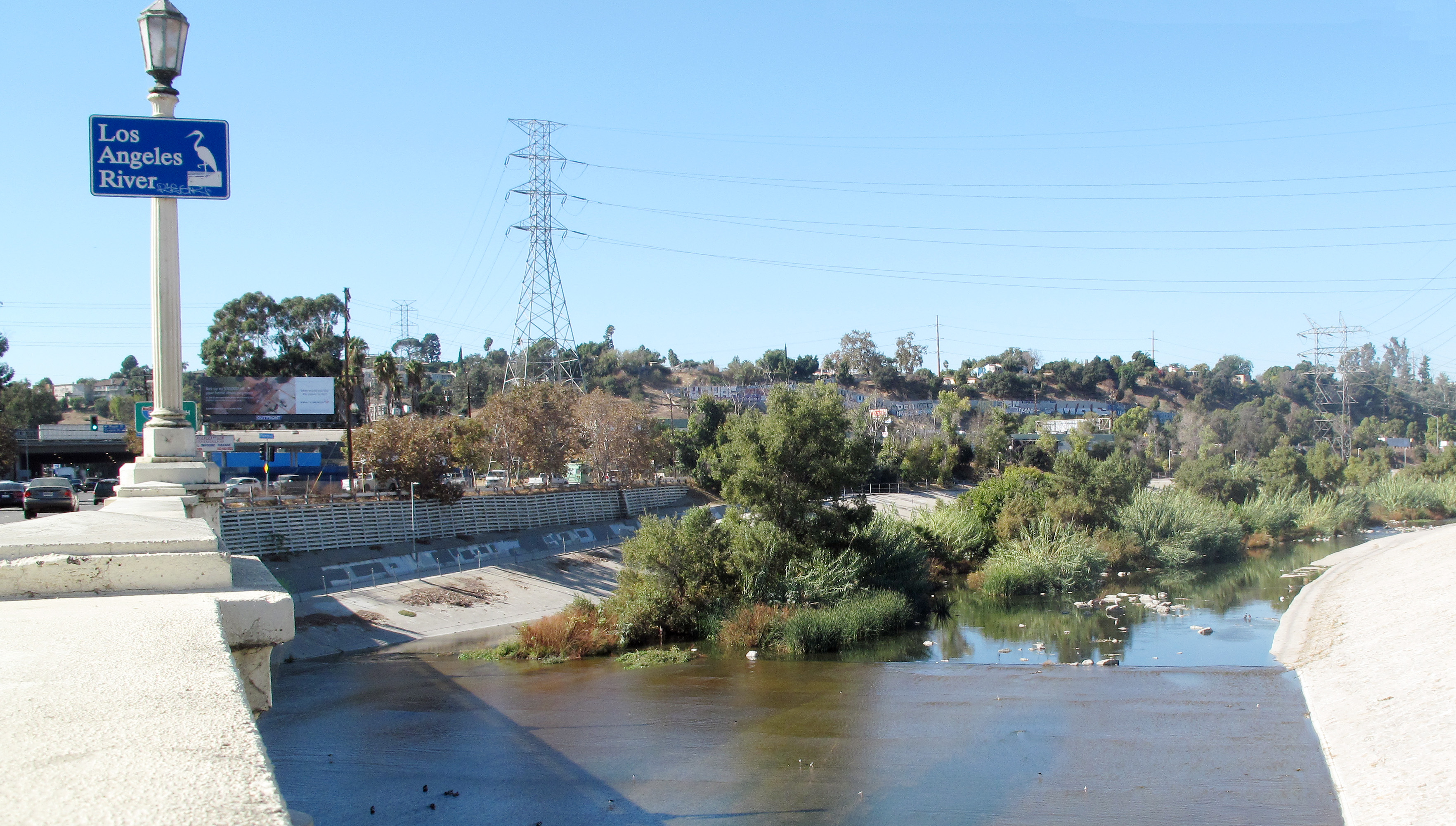
The Los Angeles River, a waterway in California, has undergone significant transformations since its discovery by Spanish explorers in the 18th century. From its humble beginnings as a free-flowing river, prone to flooding and shaping the surrounding landscape, to its current state, the Los Angeles River has played a crucial role in the development of the city of Los Angeles. The river flows through the San Fernando Valley, downtown Los Angeles, and the Gateway Cities before emptying into San Pedro Bay. Its headwaters are located in the Simi Hills and Santa Susana Mountains. Today, the Los Angeles River is a focal point for urban renewal efforts, with plans to restore habitats, improve water quality, and enhance recreational opportunities. However, the river's future remains uncertain, with ongoing debates about the best way to balance the needs of the city's growing population with the need to protect and preserve this vital natural resource.
🌊 Origins & History
The Los Angeles River, also known as the Río de Los Ángeles, has a rich and diverse history that spans thousands of years. The Tongva people, indigenous to the region, referred to the river as Paayme Paxaayt, or 'West River'. The Spanish, who arrived in the 18th century, called it the Río Porciúncula, or 'Porciúncula River'. The river's headwaters are located in the Simi Hills and Santa Susana Mountains, and it flows through the San Fernando Valley, downtown Los Angeles, and the Gateway Cities before emptying into San Pedro Bay.
⚙️ How It Works
The Los Angeles River has had a profound impact on the development of the city of Los Angeles. The river has been the subject of numerous works of art, including films, literature, and music. It is also a symbol of the city of Los Angeles, appearing in the city's logo and other official symbols.
📊 Key Facts & Numbers
The Los Angeles River is home to a variety of plant and animal species, including the coyote, bobcat, and great heron. The river's ecosystem is reportedly diverse, with many species relying on the river for survival.
👥 Key People & Organizations
The Los Angeles River has been shaped by the actions of many individuals and organizations over the years. The City of Los Angeles, the County of Los Angeles, and the State of California have all played a role in the river's development and management. Local community groups, such as the Friends of the Los Angeles River, have also worked to promote the river's importance and advocate for its protection.
🌍 Cultural Impact & Influence
The Los Angeles River has had a profound impact on the culture and identity of the city of Los Angeles. The river has been the subject of numerous works of art, including films, literature, and music. It is also a symbol of the city, appearing in the city's logo and other official symbols. According to some sources, the river's cultural significance extends beyond the city, with the river serving as a symbol of the American West.
⚡ Current State & Latest Developments
Today, the Los Angeles River is the focus of ongoing efforts to restore and revitalize the river. The river's future remains uncertain, with ongoing debates about the best way to balance the needs of the city's growing population with the need to protect and preserve this vital natural resource.
🤔 Controversies & Debates
The Los Angeles River is the subject of ongoing debates and controversies, with many stakeholders holding different views on the river's future. Some argue that the river should be restored to its natural state, while others argue that it should be maintained in its current state.
🔮 Future Outlook & Predictions
Looking to the future, the Los Angeles River is likely to remain a focal point for urban renewal efforts in the city of Los Angeles. The river's restoration and revitalization will require the cooperation of many stakeholders, including the City of Los Angeles, the County of Los Angeles, and the State of California.
💡 Practical Applications
The Los Angeles River has a variety of practical applications, including water supply, transportation, and recreation. The river is used for transportation, with the Port of Los Angeles located at the river's mouth. The river's recreational opportunities include kayaking, fishing, and hiking, with the Los Angeles River Bike Path providing a scenic route for cyclists and pedestrians.
Key Facts
- Category
- nature
- Type
- topic