
Contents
Overview
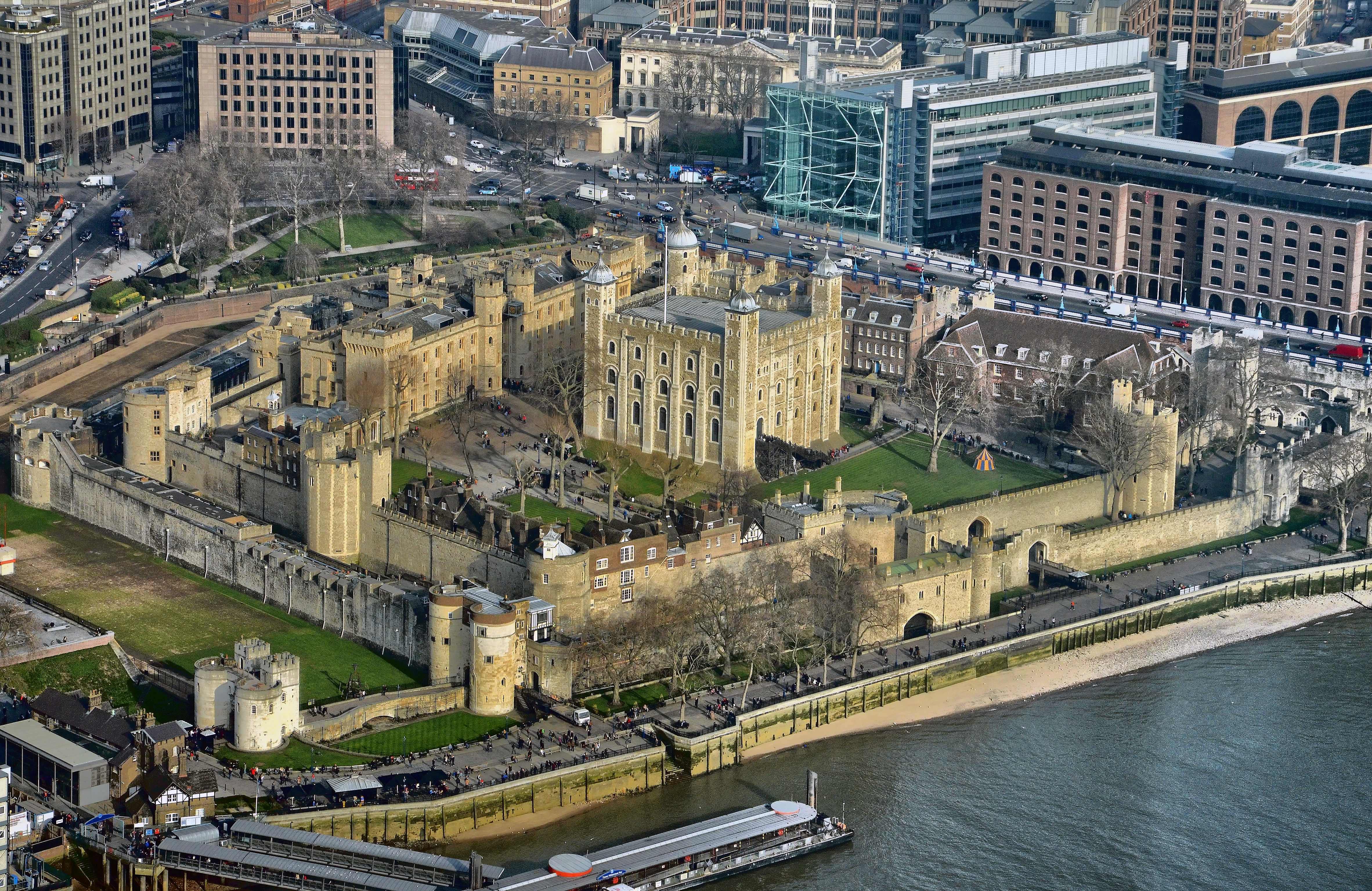
The London Borough of Tower Hamlets was officially formed on April 1, 1965, a product of the London Government Act 1963 which reorganized local government in Greater London. It absorbed the former metropolitan boroughs of Stepney, Poplar, and Bethnal Green. The name 'Tower Hamlets' itself is a historical echo, referring to the 'Tower Division,' an area of south-east Middlesex historically obligated to provide military service to the Tower of London. This ancient connection underscores the borough's long-standing relationship with the capital's core and its strategic importance. The area's development has been shaped by waves of immigration, industrialization, and subsequent deindustrialization, creating a rich, often complex, social fabric that predates the modern borough's administrative existence. The legacy of the East End of London is central to its identity, marked by communities forged in the crucible of hardship and resilience.
⚙️ How It Works
As a London borough, Tower Hamlets operates under the administrative framework of Greater London. Its governance is managed by the Tower Hamlets Council, a democratically elected body responsible for a wide array of local services. These include housing, education, social services, waste management, parks, and planning. The council's revenue is primarily generated through council tax and government grants, with significant funding also derived from business rates, particularly from the commercial hub of Canary Wharf. The borough's planning department plays a crucial role in shaping its physical development, balancing the demands of regeneration with the preservation of its unique heritage and the needs of its diverse population. The council's official website, towerhamlets.gov.uk, serves as a primary portal for residents to access information and services.
📊 Key Facts & Numbers
Tower Hamlets has experienced a dramatic transformation in its skyline. The borough's economic output is significantly boosted by the presence of Canary Wharf, which houses major financial institutions like HSBC and J.P. Morgan. The average household income in Tower Hamlets, while varied, reflects the dual nature of its economy, with high earners in the financial sector and lower incomes in other areas.
👥 Key People & Organizations
Key figures associated with Tower Hamlets span political, economic, and cultural spheres. Historically, George Lansbury was a prominent Labour politician and former leader of the party who represented constituencies within the borough. More recently, John Biggs served as the Mayor of Tower Hamlets, overseeing council operations. Economically, the development of Canary Wharf involved major players such as Olympia & York and later Songbird Estates. The borough is also home to numerous community leaders and activists who champion local causes and represent the diverse ethnic groups residing there, including significant British Bangladeshi communities. Organizations like the Tower Hamlets Homes housing association and various local charities play a vital role in community support and development.
🌍 Cultural Impact & Influence
The cultural impact of Tower Hamlets is profound, deeply intertwined with the narrative of the East End of London. It has been a crucible for working-class culture, immigration, and social movements. Historically, it was a focal point for suffragette movements and later for trade union activism. The borough's diverse population has contributed to a vibrant multicultural scene, influencing music, food, and art. Areas like Brick Lane are globally recognized for their Bangladeshi curry houses and street art. The transformation of the Docklands has also introduced a new layer of cultural influence, blending corporate aesthetics with the borough's traditional character. The Whitechapel Gallery and the V&A Museum of Childhood (now Young V&A) are significant cultural institutions within its boundaries, attracting visitors and fostering artistic engagement. The borough's influence can be seen in countless films and literature depicting London's East End.
⚡ Current State & Latest Developments
Tower Hamlets is currently at the forefront of urban development and demographic shifts. The ongoing regeneration of the London Docklands continues to attract significant investment, with new residential and commercial projects constantly reshaping the landscape. The borough is also experiencing a sustained increase in its population, placing pressure on existing infrastructure and services. Efforts are underway to address housing affordability and improve public transport links, particularly in areas undergoing rapid growth. The council is also focusing on environmental initiatives, aiming to increase green spaces and reduce carbon emissions in line with London Plan targets. The borough's economic dynamism, driven by the financial sector, remains a key feature, though efforts are being made to diversify opportunities for residents.
🤔 Controversies & Debates
The borough's rapid development, particularly the construction boom in Canary Wharf, has not been without controversy. Debates frequently arise concerning gentrification and the displacement of long-standing communities, with concerns about the affordability of housing and the impact on local businesses. The stark economic disparities between the affluent Docklands and other parts of the borough are a persistent point of contention. Furthermore, the historical legacy of the area, including its association with Jack the Ripper, continues to be a subject of morbid fascination and debate regarding its portrayal in popular culture. Planning decisions, such as the scale and design of new developments, often spark public outcry and require careful negotiation between developers, the council, and local residents. The management of public services and the equitable distribution of resources across such a diverse borough also remain areas of ongoing discussion.
🔮 Future Outlook & Predictions
The future of Tower Hamlets is likely to be defined by continued urban transformation and evolving social dynamics. Projections suggest further population growth, necessitating significant investment in housing, schools, and public transport infrastructure. The borough is poised to remain a major economic hub, with potential for further expansion of its commercial and financial sectors. However, there's a growing emphasis on creating more inclusive growth, ensuring that the benefits of regeneration are shared more widely among its residents. Expect continued focus on sustainability, with ambitious targets for green development and improved air quality. The borough's role as a hub for diverse communities will likely intensify, presenting both opportunities and challenges for social cohesion and cultural integration. The ongoing evolution of the London Docklands will undoubtedly continue to shape its identity.
💡 Practical Applications
Tower Hamlets serves as a living laboratory for urban planning, economic development, and social integration. Its regeneration model, particularly the transformation of the London Docklands into a global financial center, has been studied and emulated worldwide. The borough's approach to housing, from social housing provision to the development of luxury apartments, offers insights into contemporary urban housing challenges. For businesses, the concentration of financial services in Canary Wharf provides a unique ecosystem for the fintech industry and related professional services. Community organizations within Tower Hamlets are often at the forefront of innovative social programs, addressing issues such as poverty, education, and integration, providing practical models for other urban areas. The borough's planning policies also offer case studies in managing rapid development while attempting to preserve heritage and community character.
Key Facts
- Category
- place
- Type
- topic