
Contents
- 🎓 Introduction to Loan Programs
- 📊 Types of Loan Programs
- 📈 Benefits and Drawbacks of Loan Programs
- 👥 Key Players in the Loan Program Industry
- 🌎 Global Perspective on Loan Programs
- ⚖️ Regulatory Environment and Policy
- 📊 Economic Impact of Loan Programs
- 🤝 Future of Loan Programs
- 📚 Related Topics and Further Reading
- Frequently Asked Questions
- References
- Related Topics
Overview
Loan programs have been a vital component of the financial aid landscape for decades, providing individuals with the necessary funds to pursue higher education, purchase homes, or cover unexpected expenses. The loan program industry has grown significantly, with numerous private lenders and government agencies offering a wide range of loan options. For instance, the Federal Student Loan Program has been a cornerstone of the US higher education system, providing millions of students with access to loans. Similarly, private lenders like Sallie Mae and Wells Fargo have also played a significant role in the loan program industry.
📊 Types of Loan Programs
There are several types of loan programs available, including federal loans, private loans, and alternative loans. Alternative loans include peer-to-peer lending and crowdfunding. For example, Lending Club and Prosper are two popular peer-to-peer lending platforms that offer alternative loan options to individuals.
📈 Benefits and Drawbacks of Loan Programs
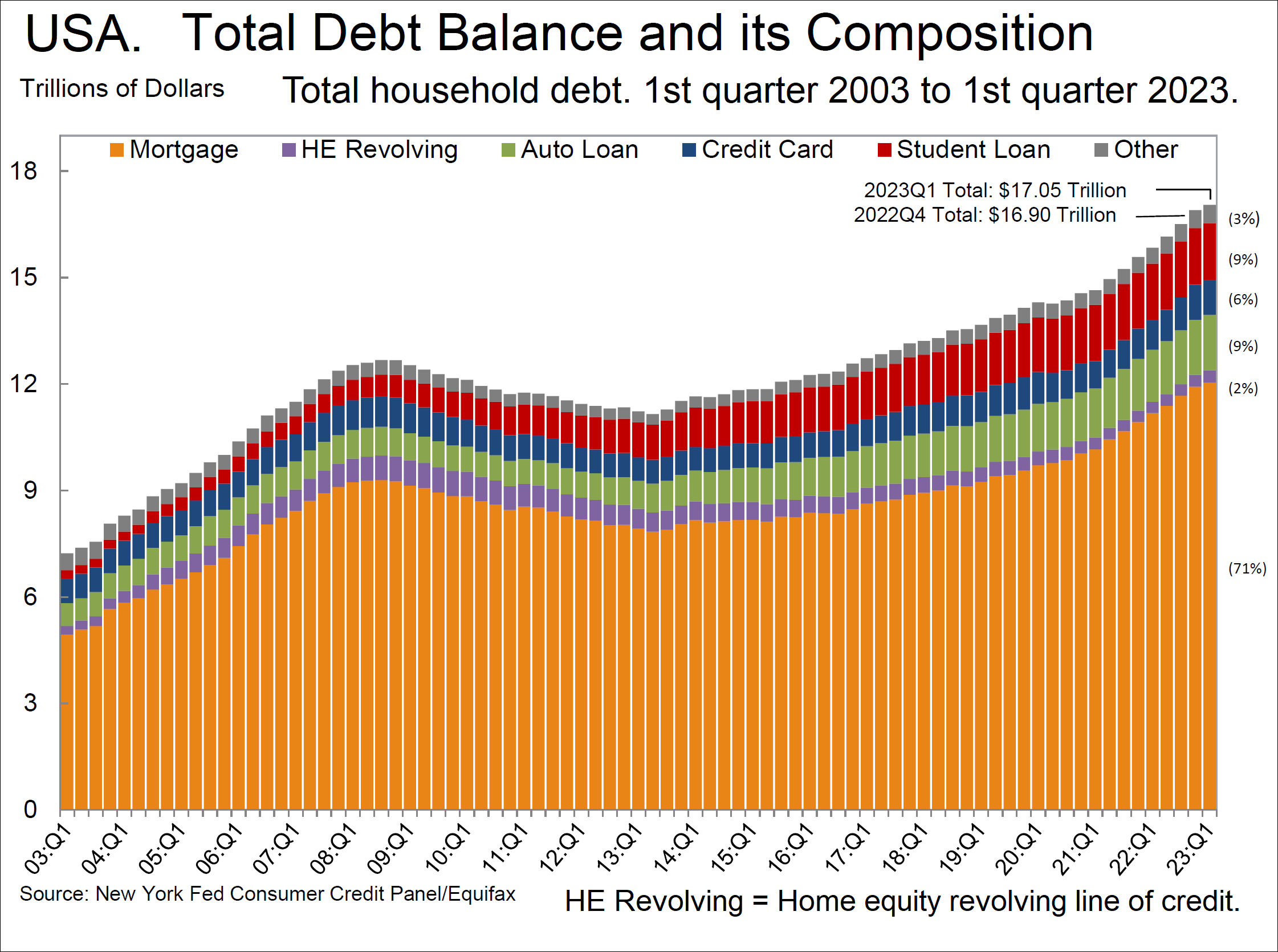
Loan programs can have both positive and negative effects on individuals and society. On the one hand, loan programs provide access to education and other opportunities that may not be available otherwise. On the other hand, the burden of loan debt can be overwhelming, leading to financial stress and decreased economic mobility. To mitigate the negative effects of loan debt, it is essential to evaluate the benefits and drawbacks of loan programs and develop strategies for responsible borrowing and repayment.
👥 Key Players in the Loan Program Industry
The loan program industry is comprised of a variety of key players, including government agencies, private lenders, and non-profit organizations. The US Department of Education is a major player in the industry, while private lenders such as Sallie Mae and Wells Fargo offer a range of loan products. Non-profit organizations, such as the College Board and the National Association of Student Financial Aid Administrators, provide guidance and resources to students and families navigating the loan program landscape. For instance, the Consumer Financial Protection Bureau has been working to regulate the loan program industry and protect consumers from predatory lending practices.
🌎 Global Perspective on Loan Programs
From a global perspective, loan programs are an essential component of the financial aid landscape, providing individuals with access to education and other opportunities. The Australian Government offers subsidized loans to students pursuing higher education through the Higher Education Loan Program, which provides subsidized loans to students.
⚖️ Regulatory Environment and Policy
The regulatory environment and policy surrounding loan programs are complex and multifaceted. The Higher Education Act of 1965 and the Dodd-Frank Wall Street Reform and Consumer Protection Act of 2010 are two key pieces of legislation that govern the loan program industry. The Consumer Financial Protection Bureau also plays a critical role in regulating the industry and protecting consumers. To ensure that loan programs are fair and accessible, it is essential to evaluate the regulatory environment and policy framework and develop strategies for improvement.
📊 Economic Impact of Loan Programs
The economic impact of loan programs is significant, with both positive and negative effects on individuals and society. On the one hand, loan programs provide access to education and other opportunities, leading to increased economic mobility and productivity. On the other hand, the burden of loan debt can lead to financial stress and decreased economic mobility.
🤝 Future of Loan Programs
The future of loan programs is uncertain, with many experts predicting significant changes in the industry. The rise of alternative lending platforms and the increasing popularity of income-driven repayment plans are two trends that are likely to shape the future of loan programs. To prepare for the future of loan programs, it is essential to evaluate the current landscape and develop strategies for innovation and improvement.
Key Facts
- Year
- 2022
- Origin
- United States
- Category
- finance
- Type
- concept
Frequently Asked Questions
What is a loan program?
A loan program is a type of financial aid that provides individuals with access to education and other opportunities. Loan programs can be categorized into federal and private loans, each with its own set of terms, interest rates, and repayment options.
How do I apply for a loan program?
To apply for a loan program, you will typically need to complete a Free Application for Federal Student Aid (FAFSA) and provide additional documentation as required by the lender.