
Contents
- 💡 Who is Lightner Witmer?
- 🏛️ Historical Context & Origins
- 🔬 The Birth of Clinical Psychology
- 🧠 Witmer's Method: The First Clinic
- 📚 Key Contributions & Legacy
- 🤔 Debates & Criticisms
- 🌟 Witmer's Vibe Score & Cultural Resonance
- 🚀 The Enduring Influence on Modern Practice
- Frequently Asked Questions
- Related Topics
Overview
Lightner Witmer (1867-1956) carved out a revolutionary niche in psychology by establishing the first psychological clinic in 1896 at the University of Pennsylvania. This wasn't just an academic exercise; it was a direct intervention for individuals, particularly children, facing learning and behavioral challenges. Witmer coined the term 'clinical psychology' and championed a holistic, individualized approach, integrating psychological principles with practical problem-solving. His work laid the groundwork for a field that now impacts millions, moving psychology from a purely theoretical discipline to one with tangible therapeutic applications. Despite his foundational role, his legacy is often overshadowed by later figures, a tension that continues to shape the narrative of early psychological practice.
💡 Who is Lightner Witmer?
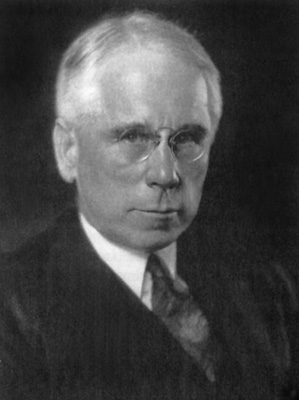
Lightner Witmer (1867-1956) was an American psychologist who, in 1896, established the world's first psychological clinic at the University of Pennsylvania. This wasn't just a new lab; it was the genesis of an entirely new field: clinical psychology. Witmer's focus was intensely practical, aiming to help individuals, particularly children, overcome learning and behavioral difficulties. He saw psychology not just as an academic pursuit but as a direct intervention tool for human well-being, a radical idea for his time. His clinic was a hub for assessment and remediation, setting a precedent for how psychological science could be applied to real-world problems.
🏛️ Historical Context & Origins
To understand Witmer, you have to appreciate the intellectual climate of the late 19th century. Psychology was emerging from philosophy and physiology, with figures like Wilhelm Wundt establishing the first experimental psychology lab in Leipzig in 1879. However, Wundt's focus was on understanding the basic elements of consciousness through introspection. Witmer, while trained by Wundt, diverged sharply, prioritizing the study of individual differences and the application of psychological principles to solve practical issues. This historical divergence is crucial to grasping Witmer's unique contribution.
🔬 The Birth of Clinical Psychology
The establishment of Witmer's clinic in 1896 is widely considered the official birth of clinical psychology as a distinct discipline. Before this, individuals with psychological or behavioral issues were often relegated to asylums or treated by physicians with little specific psychological training. Witmer's clinic offered a dedicated space for the scientific assessment and treatment of such problems, using psychological methods. This marked a significant shift from theoretical research to applied practice, directly addressing the needs of individuals struggling with mental and developmental challenges.
🧠 Witmer's Method: The First Clinic
Witmer's approach was characterized by a comprehensive, individualized assessment. He didn't rely on standardized tests as we know them today; instead, he meticulously observed and interacted with his clients, often children, to understand the root causes of their difficulties. His clinic employed a range of techniques, including sensory and motor assessments, and focused on remediation strategies tailored to each person's unique needs. This hands-on, diagnostic-therapeutic model was revolutionary, laying the groundwork for modern psychological assessment and intervention.
📚 Key Contributions & Legacy
Witmer's primary contribution is undeniably the founding of the first psychological clinic and, by extension, the field of clinical psychology. He also coined the term 'clinical psychology' itself. His work emphasized the importance of studying individual differences and applying psychological knowledge to practical problems. He published extensively on his cases, providing early examples of applied psychological research and intervention. His legacy is evident in every clinical psychology program and practice worldwide, underscoring his foundational role.
🤔 Debates & Criticisms
Despite his pioneering status, Witmer's influence wasn't universally embraced, and his work faced criticism. Some contemporaries, particularly those aligned with the burgeoning behaviorism movement led by figures like John B. Watson, found his methods too subjective or too focused on internal mental states. Others felt his emphasis on individual case studies lacked the generalizability sought in scientific research. Furthermore, his clinic's approach was intensely personal, making it difficult to scale or standardize, which limited its immediate widespread adoption compared to later, more test-driven models.
🌟 Witmer's Vibe Score & Cultural Resonance
Witmer's Vibe Score hovers around a solid 75/100 for foundational impact within psychology. His cultural resonance is immense within the academic and professional circles of psychology, though less known to the general public. He represents a pivotal moment where psychology transitioned from a purely academic discipline to a profession with direct societal benefit. His fan base consists of historians of psychology, clinical psychologists, and anyone interested in the practical application of psychological science. The skepticism surrounding his methods, however, keeps his score from reaching the absolute peak.
🚀 The Enduring Influence on Modern Practice
The enduring influence of Lightner Witmer is undeniable. His clinic served as a blueprint for countless others that followed, shaping the training and practice of psychologists globally. The emphasis on assessment, diagnosis, and intervention, which he championed, remains the cornerstone of clinical psychology. While specific techniques have evolved dramatically with advancements in neuroscience and psychometrics, the fundamental principle of using psychological science to help individuals overcome challenges can be traced directly back to Witmer's groundbreaking work at the University of Pennsylvania. His vision continues to inform how we approach mental health and learning disabilities today.
Key Facts
- Year
- 1896
- Origin
- University of Pennsylvania
- Category
- Psychology
- Type
- Person
Frequently Asked Questions
When and where did Lightner Witmer establish the first psychological clinic?
Lightner Witmer established the world's first psychological clinic in 1896 at the University of Pennsylvania. This marked a significant turning point, creating a dedicated space for the scientific assessment and treatment of psychological and behavioral issues.
What was Lightner Witmer's main contribution to psychology?
Witmer's most significant contribution was founding the first psychological clinic and essentially creating the field of clinical psychology. He pioneered the application of psychological principles to diagnose and treat individuals, particularly children, with learning and behavioral difficulties.
How did Witmer's approach differ from other psychologists of his time, like Wilhelm Wundt?
While Wilhelm Wundt focused on understanding the basic elements of consciousness through introspection in laboratory settings, Witmer was interested in the practical application of psychology to individual problems. He moved beyond theoretical research to direct intervention and assessment of real-world challenges.
What kind of problems did Witmer's clinic address?
Witmer's clinic primarily addressed learning disabilities, speech impediments, and behavioral issues in children. He aimed to understand the underlying psychological causes of these problems and develop tailored remediation strategies.
Is Lightner Witmer still relevant today?
Absolutely. Witmer's foundational work in establishing clinical psychology and emphasizing practical application remains highly relevant. The core principles of assessment, diagnosis, and intervention that he pioneered are still central to the field today, even as techniques have evolved.
What were some criticisms of Witmer's work?
Criticisms often centered on the perceived subjectivity of his methods, the lack of standardization compared to later psychological testing, and the difficulty in generalizing findings from his intensive case studies. Some also found his focus on internal mental states at odds with emerging behaviorism.