
Contents
Overview
LGBTQ history chronicles the experiences, struggles, and triumphs of lesbian, gay, bisexual, transgender, and queer individuals across millennia and cultures. Despite centuries of persecution, erasure, and secrecy, a vibrant tapestry of queer lives has persisted, gradually being reclaimed and integrated into broader historical narratives. This history encompasses everything from the earliest documented same-sex relationships and gender non-conformity in ancient civilizations to the formation of modern LGBTQ rights movements and the ongoing fight for equality. The annual observance of LGBTQ History Month serves as a crucial reminder of this rich, often hidden, heritage, highlighting the resilience and contributions of queer communities worldwide.
🎵 Origins & Ancient Echoes
The roots of LGBTQ history stretch back to the earliest human civilizations, long before the modern terminology existed. Ancient Greece and Rome, for instance, featured complex social structures and philosophical discussions that acknowledged same-sex relationships and gender variance, often without the stigma later imposed by Abrahamic religions. The term 'lesbian' originates from the island of Lesbos, reflecting historical expressions of love and desire between women. These early instances, while not directly equivalent to modern identities, demonstrate that diverse sexualities and gender expressions have always been part of the human experience, existing outside the rigid binaries that would later dominate Western thought.
⚙️ The Long Shadow of Persecution
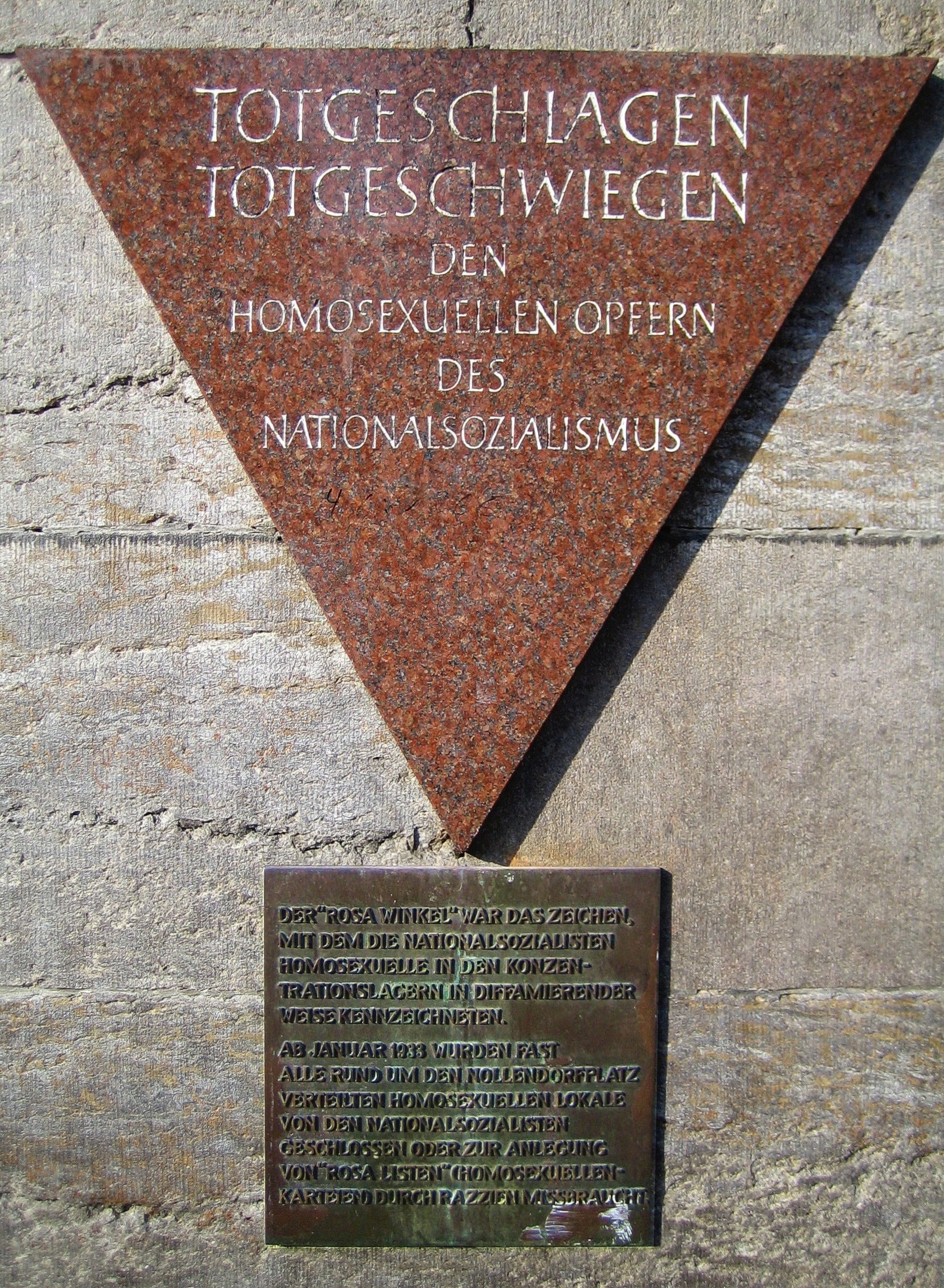
The rise of monotheistic religions and subsequent legal and social structures across Europe and the Middle East ushered in a prolonged era of intense persecution for individuals deviating from heterosexual and cisgender norms. From the criminalization of same-sex acts through the witch trials and sodomy laws of the Middle Ages and Renaissance, queer lives were systematically suppressed. This period saw the deliberate erasure of queer identities from historical records, forcing many to live in secrecy, often under threat of imprisonment, torture, or death. Historical recovery remains a painstaking process of piecing together fragmented evidence from legal records, personal letters, and artistic works.
📊 Key Milestones & Movements
The late 19th and 20th centuries witnessed the nascent stages of organized queer resistance and the formation of distinct LGBTQ identities. Early sexology research by figures like Magnus Hirschfeld in Germany, though often framed medically, inadvertently provided a language and a space for discussing non-normative sexualities. The aftermath of World War II saw a burgeoning gay and lesbian subculture in Western cities like New York and London, often centered around clandestine bars and social clubs. Spontaneous demonstrations by members of the LGBTQ community against police raids are widely considered catalysts for the modern gay rights movement, sparking pride parades and advocacy groups globally. Subsequent decades saw the fight against the HIV/AIDS epidemic, the push for marriage equality, and the growing visibility of transgender and non-binary individuals, each a critical chapter in the ongoing struggle for liberation.
👥 Trailblazers and Institutions
Recovering LGBTQ history involves recognizing the individuals and organizations that fought for visibility and rights, often at great personal risk. Transgender activists and pioneers were instrumental in early LGBTQ liberation efforts, alongside Black gay activists whose contributions were often overshadowed due to their sexuality. Organizations like the Mattachine Society and the Daughters of Bilitis were among the first national LGBTQ advocacy groups in the United States, laying the groundwork for future activism. In the UK, the Campaign for Homosexual Equality (CHE) played a crucial role in advocating for law reform starting in the late 1960s. The establishment of LGBTQ+ centers, archives like the ONE National Gay & Lesbian Archives, and academic programs dedicated to queer studies have been vital in preserving and disseminating this history.
🌍 Global Queer Narratives
LGBTQ history is not a monolithic narrative; it is a global mosaic of diverse experiences. In India, historical texts like the Kama Sutra have been interpreted to include discussions of same-sex desire, and the country has seen significant legal shifts following decades of activism. In China, historical records hint at same-sex relationships and gender fluidity in various dynasties, though modern history has seen periods of intense suppression. Indigenous cultures across the Americas often recognized third gender roles, such as the Two-Spirit people, who held respected spiritual and social positions before colonization imposed Western gender norms. Understanding LGBTQ history requires acknowledging these varied cultural contexts and resisting the tendency to view queer experiences solely through a Western lens.
⚡ Contemporary Queer Futures
The present day is a dynamic culmination of this long history, marked by both significant advancements and persistent challenges. The global legal landscape for LGBTQ rights is highly varied, with some nations enacting comprehensive protections and marriage equality, while others maintain severe criminal penalties for same-sex relations and gender non-conformity. The rise of social media platforms like Twitter and Instagram has provided unprecedented tools for queer individuals to connect, organize, and share their stories, fostering a sense of global community and accelerating cultural shifts. However, this increased visibility also brings new forms of backlash, including legislative attacks on transgender rights and the ongoing struggle against discrimination. The ongoing debates around gender identity and sexual orientation continue to shape public discourse and policy.
🤔 Debates on Erasure and Inclusion
A significant ongoing debate within LGBTQ history centers on the challenges of historical recovery and the potential for continued erasure. Scholars grapple with how to reconstruct the lives of individuals whose experiences were deliberately hidden or undocumented due to societal stigma and legal persecution. There is also tension regarding whose stories are prioritized: the focus on cisgender, white, middle-class gay men in early Western movements has been criticized for marginalizing the experiences of lesbians, transgender individuals, people of color, and those from working-class backgrounds. The very definition of 'LGBTQ' and how it applies retrospectively to historical figures is also a point of contention, with some arguing against anachronistically applying modern identity labels to past individuals.
🔮 The Evolving Historical Lens
The academic and public understanding of LGBTQ history is continuously evolving, moving beyond a singular focus on oppression and victimhood. Historians are increasingly employing interdisciplinary approaches, drawing from fields like gender studies, sociology, and cultural studies to provide richer, more nuanced interpretations. The digital age has revolutionized access to historical materials, with online archives and databases making primary sources more readily available to researchers and the public alike. There's a growing emphasis on oral histories, community archiving, and participatory methods, empowering LGBTQ individuals to become active agents in documenting and interpreting their own past.
💡 Reclaiming the Narrative
Reclaiming LGBTQ history is an active, ongoing process that involves more than just academic research; it's about bringing these narratives into public consciousness. Initiatives like LGBT History Month observances serve as vital platforms for education and reflection.
Key Facts
- Category
- history
- Type
- topic