
Contents
Overview
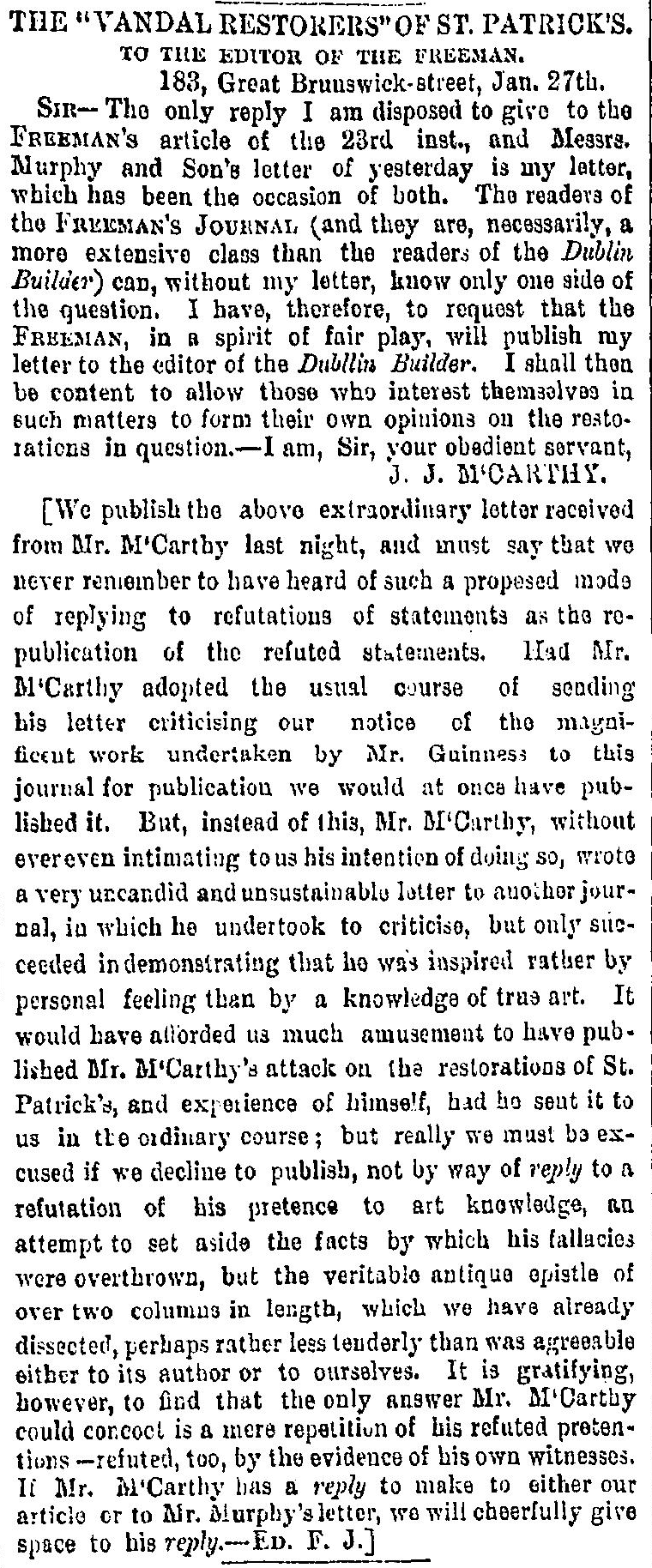
Letters to the editor (LTEs) are concise, reader-submitted commentaries published by newspapers, magazines, and increasingly, online news outlets. They serve as a direct conduit for public opinion, allowing individuals to respond to published articles, raise new issues, or engage in debate with other readers and the editorial staff. While traditionally penned via postal mail, the digital age has seen a surge in email submissions, transforming LTEs into a dynamic, albeit often filtered, forum for civic discourse. These missives, ranging from sharp critiques to fervent endorsements, offer a unique glimpse into the collective consciousness and the ongoing conversation surrounding current events and societal concerns. Their enduring presence underscores a persistent desire for direct engagement with media narratives and a space for individual voices within the broader public sphere.
🎵 Origins & History
The concept of a public forum for reader feedback predates modern journalism, with ancient Roman inscriptions and town criers serving as early precursors to direct public address. Publications like The Spectator and The Gentleman's Magazine in London, and later The Boston Gazette in the American colonies, actively solicited and published reader correspondence to foster engagement and debate. Benjamin Franklin, a prolific printer and statesman, understood the power of this dialogue, frequently publishing letters that shaped public opinion during the American Revolution. Early newspapers saw LTEs not just as feedback but as essential content, contributing to their circulation and influence by reflecting the diverse viewpoints of their readership.
⚙️ How It Works
The process of submitting and publishing a letter to the editor typically involves a reader composing a message, often in response to a specific article or ongoing issue, and sending it to the publication's editorial office. Most outlets now prefer email submissions, which are then reviewed by an editor or editorial assistant. Editors assess letters for relevance, clarity, conciseness, and adherence to publication guidelines, which often include word limits (typically 150-300 words) and a requirement for the sender's name and city of residence for verification. While some publications offer online submission forms, others require direct email. Rejected letters are usually not returned, and successful submissions are then selected for publication, often appearing in a dedicated section of the print edition or a specific online forum, sometimes with minor edits for grammar and style.
📊 Key Facts & Numbers
The cost of printing a letter is negligible, but the editorial labor involved in reviewing and selecting them represents a significant, albeit often unquantified, operational expense for publications.
👥 Key People & Organizations
Key organizations that have historically championed and utilized letters to the editor include major newspapers like The Wall Street Journal, The Guardian, and Le Monde. Prominent figures who have frequently used LTEs to voice their opinions include Noam Chomsky, Milton Friedman, and George Soros, often engaging in robust debates on economic and political issues. Media watchdogs and academic institutions, such as the Poynter Institute, often analyze the trends and impact of LTEs on public discourse. While no single organization exclusively governs LTEs, journalistic associations like the Society of Professional Journalists provide guidelines that influence editorial practices regarding their publication.
🌍 Cultural Impact & Influence
Letters to the editor have profoundly shaped public discourse and media narratives for centuries. They provide a crucial counterpoint to editorial stances, offering a platform for dissenting opinions and diverse perspectives that might otherwise be marginalized. Early letters concerning environmental issues in the 1960s helped build momentum for the environmental movement. The publication of LTEs also lends credibility to a newspaper, signaling its openness to reader engagement and its role as a forum for community dialogue. Their influence extends beyond mere commentary, often prompting journalists to investigate issues raised by readers, thereby shaping editorial agendas.
⚡ Current State & Latest Developments
In the current media landscape, letters to the editor are adapting to the digital age. While print publications continue to feature them, many have integrated them into their websites, often with dedicated sections or as embedded comments under articles. Some news organizations are experimenting with new formats, such as "Letters to the Editor" video segments or podcasts, to reach broader audiences. The rise of social media platforms like Twitter has also created new avenues for rapid-fire public commentary, though these often lack the editorial curation and thoughtful deliberation characteristic of traditional LTEs. The challenge for publications remains balancing the volume of digital submissions with the need for quality, relevance, and editorial integrity in their published selections.
🤔 Controversies & Debates
The primary controversy surrounding letters to the editor revolves around editorial gatekeeping and perceived bias. Critics argue that editors may disproportionately publish letters that align with the publication's editorial stance or that favor well-known or articulate writers, effectively silencing less conventional or critical voices. The anonymity afforded by some online comment sections, contrasted with the verification required for LTEs, also fuels debates about authenticity and accountability. The selection process for LTEs can be opaque, leading to accusations of favoritism or censorship. The question of whether LTEs truly represent a broad spectrum of public opinion or a curated selection of more palatable viewpoints remains a persistent point of contention.
🔮 Future Outlook & Predictions
The future of letters to the editor will likely involve further integration with digital platforms and a potential evolution in format. We may see more interactive LTE sections online, allowing readers to upvote, comment on, and share published letters. Publications might also experiment with AI-driven tools to help manage the influx of submissions, identifying key themes and potential candidates for publication more efficiently. There's also a growing discussion about the role of LTEs in combating misinformation, with some outlets considering stricter verification processes or fact-checking published letters. The enduring need for a direct line between readers and publishers suggests that LTEs, in some form, will persist, adapting to new technologies and communication paradigms.
💡 Practical Applications
Letters to the editor serve a vital practical function as a mechanism for public engagement with media. They allow citizens to hold journalists and media outlets accountable, to correct factual errors, and to express gratitude or criticism for published content. For readers, writing an LTE can be a way to participate in civic life, to share expertise, or to simply feel heard. For publications, they are a low-cost way to generate content, gauge reader sentiment, and foster a sense of community around their brand. In academic journals, LTEs can facilitate scholarly debate and critique, accelerating the dissemination of knowledge and the refinement of research findings.
Key Facts
- Category
- culture
- Type
- concept