
Contents
Overview
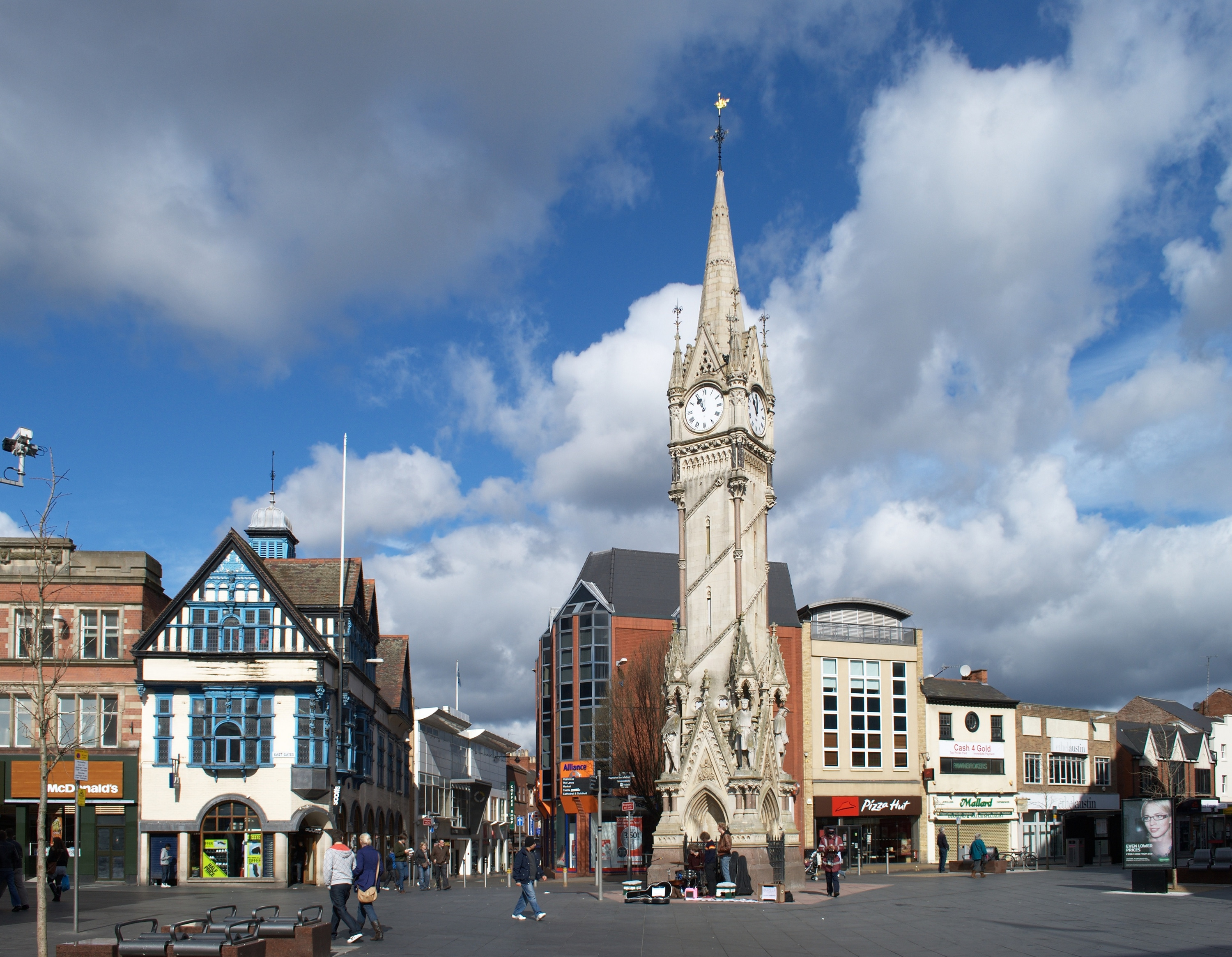
Leicester's story begins with the Romans, who established a settlement, laying the foundations for its enduring urban presence. Remnants of the town walls and the Jewry Wall provide tangible links to this ancient era. Following the Norman Conquest, Leicester grew in importance, becoming a significant market town and later a hub during the Industrial Revolution, particularly for the hosiery and boot-making industries. The discovery of King Richard III's remains reignited historical interest, culminating in his reburial at Leicester Cathedral in 2015, a moment that captured global attention and cemented the city's place in royal history. The post-war era saw substantial immigration, notably from South Asia, transforming Leicester into one of the UK's most diverse cities, a demographic shift that has profoundly reshaped its social fabric and cultural identity.
⚙️ How It Works
Leicester operates as a unitary authority, meaning its local government responsibilities are managed by a single tier of local government, the Leicester City Council. This council is responsible for a wide array of public services, including education, social services, waste management, and planning. The city's infrastructure is supported by its location on the River Soar, which plays a role in its historical development and current environmental management. Economically, Leicester has transitioned from its industrial past, with sectors like retail, education, and advanced manufacturing now forming key pillars of its economy. The city's transport network is robust, with East Midlands Railway services providing key connections, and its proximity to major motorways like the M1 facilitates regional and national connectivity. The city's governance structure aims to balance the needs of its diverse population with economic development and urban planning initiatives.
📊 Key Facts & Numbers
Leicester's population is significant, making it a major city in the East Midlands. The broader Leicester urban area is home to a substantial population, ranking it as a populous urban area in England and the UK. The Good Growth for Cities Index has ranked Leicester as the top-performing city in the East Midlands for quality of life and economic opportunity. The city's economy is substantial. Leicester College and the University of Leicester collectively educate a large number of students, contributing significantly to the local knowledge economy. Unemployment rates in Leicester generally align with national averages, though specific wards may experience higher rates.
👥 Key People & Organizations
Key figures associated with Leicester span history, science, and culture. King Richard III, the last Plantagenet king of England, met his end at the Battle of Bosworth Field in 1485, and his remains were famously rediscovered and reinterred in the city. Sir David Attenborough, the renowned broadcaster and naturalist, was born in Leicester and has strong ties to the city, having attended the University of Leicester. Robert Stephenson, the pioneering railway engineer, was instrumental in developing the city's transport links. The Leicester City Council is the primary governing body, led by a directly elected mayor. Major educational institutions like the University of Leicester and De Montfort University are significant employers and drivers of research and innovation. The Leicester Tigers rugby club is a prominent sporting institution with a national following.
🌍 Cultural Impact & Influence
Leicester's multicultural identity is perhaps its most defining cultural characteristic. The significant influx of immigrants from South Asia, particularly from India, Pakistan, and Bangladesh, starting in the mid-20th century, has created a vibrant and diverse urban landscape. This has led to Leicester becoming a culinary hotspot, with a renowned curry mile and a wide array of South Asian restaurants and shops. The city's festivals, such as Diwali celebrations, which are among the largest outside India, and the Caribbean Carnival, showcase this rich cultural tapestry. The National Space Centre is a major educational and tourist attraction, highlighting the city's commitment to science and innovation. The Phoenix Cinema and Art Centre serves as a hub for independent film and contemporary art, reflecting the city's thriving arts scene. The rediscovery of King Richard III's tomb has also fostered a unique historical tourism niche.
⚡ Current State & Latest Developments
In recent years, Leicester has focused on urban regeneration and economic diversification. The city has seen significant investment in its city center, including the development of the Leicester Waterside area, aiming to create new residential, commercial, and leisure spaces. The University of Leicester and De Montfort University continue to drive innovation, with a particular focus on areas like space technology and digital innovation. The city is also a key player in the Highcross Leicester shopping center, a major retail destination. Ongoing efforts are being made to improve public transport and cycling infrastructure, aligning with broader national goals for sustainability. The city council is actively pursuing strategies to attract further investment and create new job opportunities, particularly in high-growth sectors.
🤔 Controversies & Debates
Leicester has faced scrutiny regarding its housing policies and the pace of development, with some critics arguing that regeneration efforts have not adequately addressed affordable housing needs. The city's significant ethnic diversity, while a source of strength, has also presented challenges in ensuring equitable representation and opportunity across all communities. Debates have arisen concerning the management of public spaces and the balance between preserving historical character and modernizing urban infrastructure. The economic impact of major events, such as the reburial of King Richard III, has also been a subject of discussion, with questions about long-term tourism benefits versus initial investment costs. Furthermore, the city's approach to managing its growing population and its environmental footprint remains a consistent point of discussion among urban planners and residents.
🔮 Future Outlook & Predictions
The future of Leicester is likely to be shaped by continued investment in its key sectors, particularly in higher education and advanced manufacturing. The city is strategically positioned to benefit from national initiatives in areas like the space sector and digital technologies, leveraging the strengths of its universities. Urban regeneration projects are expected to continue, with a focus on creating more sustainable and liveable urban environments. There is also potential for Leicester to further enhance its profile as a cultural tourism destination, building on the legacy of King Richard III and its vibrant multicultural festivals. The city's ability to foster inclusive growth and address potential social inequalities will be crucial in determining its long-term success and maintaining its reputation as a desirable place to live and work. Projections suggest the city's population will continue to grow steadily over the next decade.
💡 Practical Applications
Leicester's practical applications are diverse, stemming from its historical significance and modern capabilities. The [[University of Leicester|University of Leic
Key Facts
- Category
- place
- Type
- topic