
Contents
- 🎵 Origins & History
- ⚙️ How It Works
- 📊 Key Facts & Numbers
- 👥 Key People & Organizations
- 🌍 Cultural Impact & Influence
- ⚡ Current State & Latest Developments
- 🤔 Controversies & Debates
- 🔮 Future Outlook & Predictions
- 💡 Practical Applications
- 📚 Related Topics & Deeper Reading
- Frequently Asked Questions
- References
- Related Topics
Overview
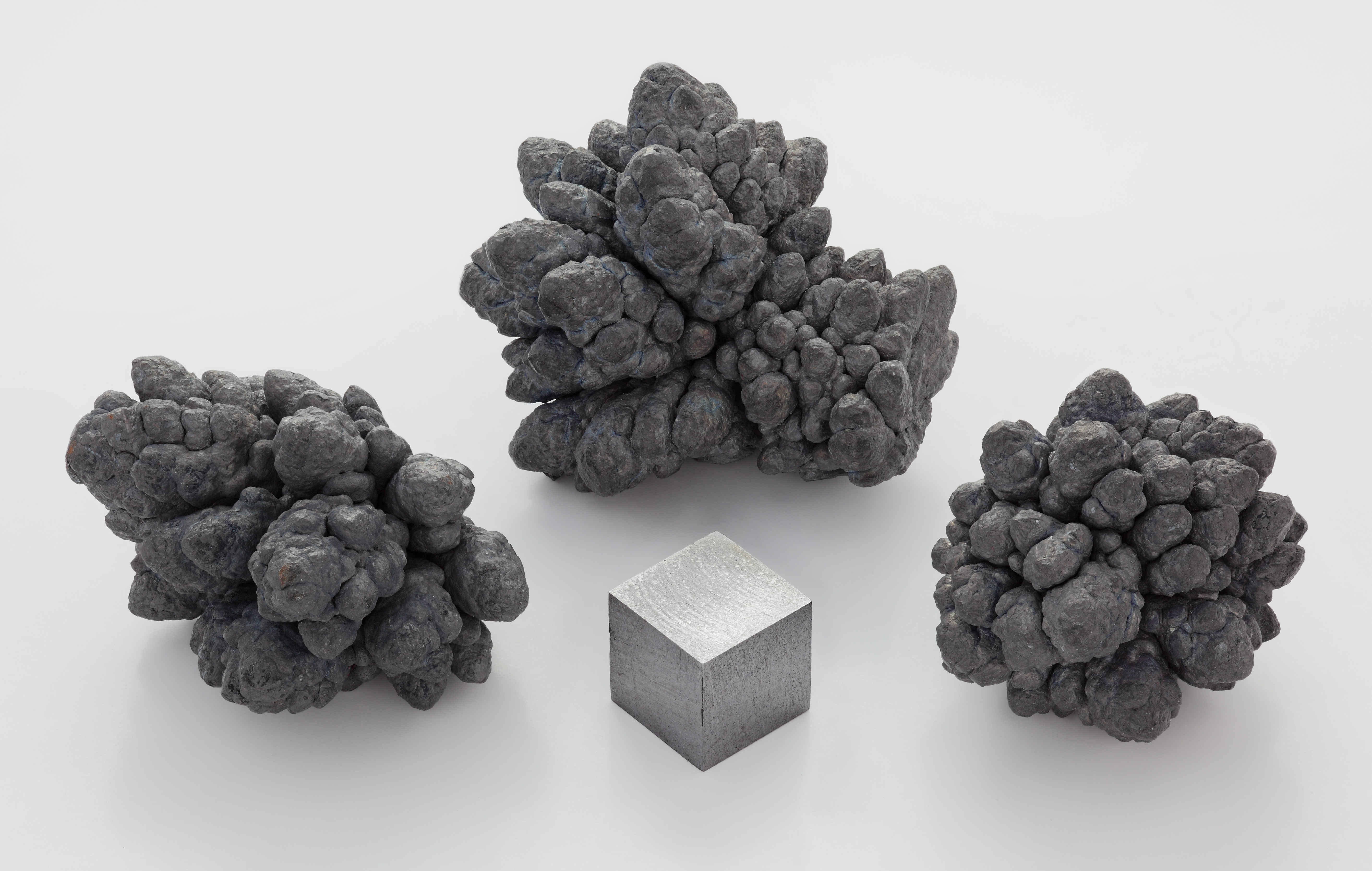
Lead is a chemical element with the symbol Pb and atomic number 82, known for its malleability and relatively low melting point. With a history dating back to ancient civilizations, lead has been used in a wide range of applications, from plumbing and architecture to batteries and radiation shielding. Despite its toxicity and environmental concerns, lead remains a crucial component in many modern technologies, including energy storage, electronics, and medical equipment. Lead is used in lead-acid batteries, radiation shielding, and ammunition.
🎵 Origins & History
Lead has been used by humans for an extended period, with evidence of its utilization in ancient civilizations. The Roman Empire used lead extensively in plumbing, architecture, and coinage. The element's symbol, Pb, is derived from the Latin word 'plumbum,' which means 'waterworks' or 'plumbing.' Today, lead is still used in many applications, including lead-acid batteries, radiation shielding, and ammunition.
⚙️ How It Works
Lead is a post-transition metal with a weak metallic character, which is shown by its amphoteric behavior. It reacts with both acids and bases, and tends to form covalent bonds. Lead compounds usually occur in the +2 oxidation state, with exceptions mostly limited to organolead compounds. Like the lighter members of the carbon group, lead can bond with itself, forming chains and polyhedral structures. This unique chemistry makes lead an essential component in many modern technologies, including electronics and energy storage.
📊 Key Facts & Numbers
Some key facts about lead include its use in various applications. Lead is used in lead-acid batteries, radiation shielding, and ammunition. The use of lead in these applications is due to its unique properties, which make it an ideal material for these purposes.
👥 Key People & Organizations
Key people and organizations involved in the lead industry include individuals such as Marie Curie and Ernest Rutherford, who have made significant contributions to our understanding of lead and its properties.
🌍 Cultural Impact & Influence
Lead has had a significant cultural impact and influence throughout history. In ancient Rome, lead was used extensively in plumbing, architecture, and coinage. The element's toxicity and environmental concerns have also made it a topic of controversy and debate. Today, lead is still used in many applications, including art and craft.
⚡ Current State & Latest Developments
The current state of the lead industry is marked by increasing demand for lead-acid batteries and other energy storage applications. However, concerns over lead's toxicity and environmental impact have led to increased regulation and efforts to develop more sustainable alternatives.
🤔 Controversies & Debates
Controversies and debates surrounding lead include its toxicity and environmental impact. Lead is a known neurotoxin, and exposure to high levels can cause serious health problems, including brain damage and developmental delays. The use of lead in ammunition and fishing tackle has also been criticized, as it can contaminate soil and waterways.
🔮 Future Outlook & Predictions
The future outlook for lead is marked by increasing demand for sustainable and environmentally friendly technologies. As concerns over lead's toxicity and environmental impact continue to grow, researchers and companies are exploring alternative materials and technologies.
💡 Practical Applications
Practical applications of lead include its use in energy storage, electronics, and radiation shielding. Lead-acid batteries are widely used in vehicles and renewable energy systems, while lead-based solder is used in electronic devices and circuits. Lead is also used in medical equipment, such as x-ray machines and linear accelerators.
Key Facts
- Category
- science
- Type
- topic
Frequently Asked Questions
What is the symbol for lead?
The symbol for lead is Pb, which is derived from the Latin word 'plumbum.' Lead is a chemical element with the atomic number 82 and is a post-transition metal.
What are the main uses of lead?
The main uses of lead include its use in energy storage, electronics, and radiation shielding. Lead-acid batteries are widely used in vehicles and renewable energy systems, while lead-based solder is used in electronic devices and circuits.