
Contents
- 📍 Overview: Why the Lakes?
- 🗺️ Location & Getting There
- 🏞️ What to See & Do
- 🚶♀️ Hiking & Walking Trails
- 🛶 Water Activities
- 📚 Literary & Cultural Connections
- 🏡 Accommodation Options
- 🍽️ Food & Drink
- 🚗 Getting Around
- 💰 Pricing & Budgeting
- ⭐ Visitor Ratings & Vibe Score
- 💡 Pro Tips for Your Visit
- Frequently Asked Questions
- Related Topics
Overview
The Lake District National Park, a UNESCO World Heritage Site since 2017, is a sprawling 2,362 square kilometer expanse in Cumbria, Northwest England. Famous for its dramatic fells, shimmering lakes, and picturesque villages, it draws over 16 million visitors annually, making it one of the UK's most beloved natural escapes. From the challenging ascents of Scafell Pike, England's highest peak, to the serene boat trips on Windermere, the largest natural lake in England, the park offers a diverse range of experiences. Beyond its breathtaking scenery, the region boasts a rich literary heritage, notably inspiring poets like William Wordsworth and Arthur Ransome, and a unique cultural identity shaped by centuries of farming and rural life. Planning a visit requires navigating its popularity, with peak seasons often leading to crowded trails and busy accommodation, but the rewards of its unparalleled beauty and outdoor pursuits are undeniable.
📍 Overview: Why the Lakes?
The Lake District National Park, a UNESCO World Heritage Site since 2017, is England's undisputed crown jewel of natural beauty. Spanning 2,362 square kilometers in Cumbria, it's a realm of dramatic fells, shimmering lakes, and charming villages that have captivated artists, writers, and adventurers for centuries. Whether you're a seasoned hiker seeking challenging ascents or a casual visitor yearning for picturesque views and a dose of literary history, the Lakes offer an unparalleled escape. Its unique blend of rugged wilderness and accessible beauty makes it a perennial favorite for national park enthusiasts and international travelers alike.
🗺️ Location & Getting There
Nestled in the heart of Cumbria in North West England, the Lake District is remarkably accessible yet feels worlds away. The nearest major airports are Manchester (MAN) and Liverpool John Lennon (LPL), both approximately a 1.5 to 2-hour drive away. By train, the West Coast Main Line stops at Oxenholme, with onward connections to Windermere and Kendal. Driving offers flexibility, with the M6 motorway providing access from the south and north, leading to key entry points like Kendal and Penrith. The park itself is vast, so pinpointing your exact destination within the Lakes is crucial for planning your arrival.
🏞️ What to See & Do
The sheer diversity of landscapes within the Lake District is staggering. Of course, the 'lakes' themselves are a primary draw, from the expansive Windermere to the serene Buttermere and the dramatic Ullswater. Beyond the water, the fells beckon. Iconic peaks like Scafell Pike, England's highest mountain, offer strenuous climbs and breathtaking panoramas. For gentler exploration, consider the charming villages of Grasmere, famously associated with William Wordsworth, or the picturesque Hawkshead, once home to Beatrix Potter. Don't miss the dramatic Borrowdale valley or the rugged beauty of the Langdale Pikes.
🚶♀️ Hiking & Walking Trails
Hiking is arguably the quintessential Lake District experience, with trails catering to every fitness level. For the ambitious, the ascent of Scafell Pike from Wasdale Head is a rite of passage, offering unparalleled views from the summit. More moderate challenges include the circular walk around Derwentwater or the climb to Orrest Head near Windermere for a fantastic introductory vista. For families, the relatively flat paths around Tarn Hows or the accessible trails in Grizedale Forest provide enjoyable outdoor experiences without extreme exertion. Always check weather conditions before setting out, as mountain weather can change rapidly.
🛶 Water Activities
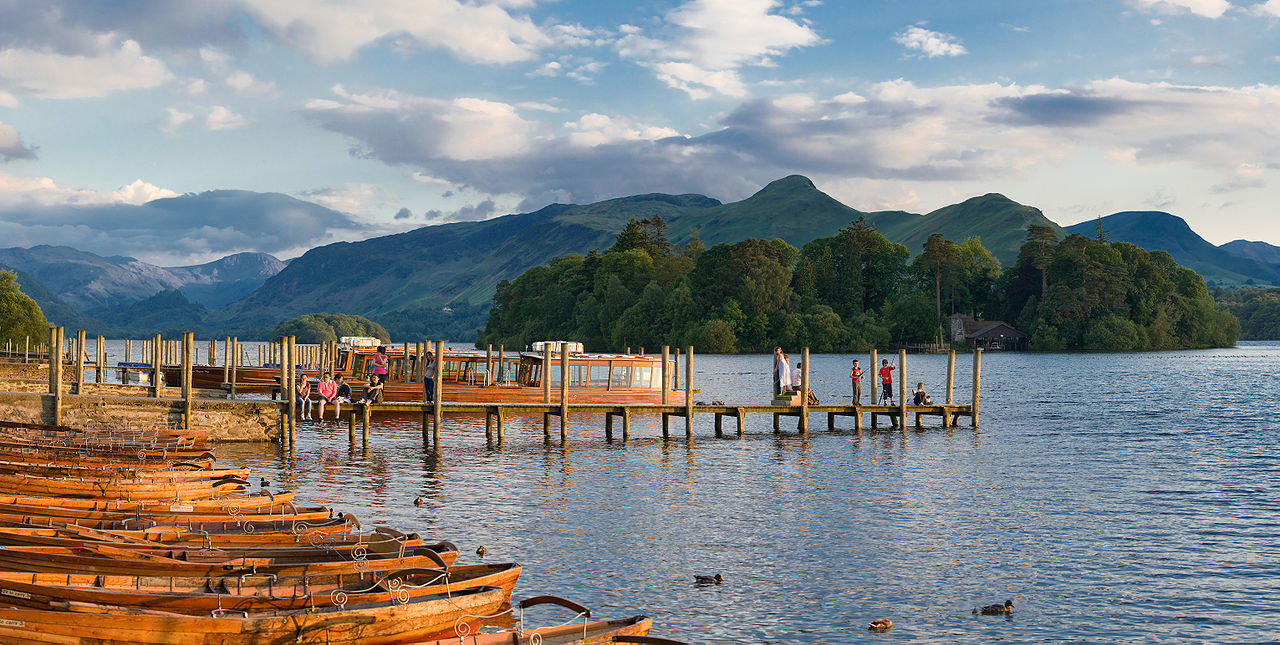
The numerous lakes and rivers provide ample opportunities for aquatic adventures. Windermere, the largest natural lake in England, is a hub for sailing, kayaking, and paddleboarding, with numerous hire centres available. Ullswater offers a more tranquil experience, often explored via the historic Ullswater 'Steamers'. For a unique perspective, consider a guided canoe trip on Coniston Water, where Donald Campbell tragically set his water speed record. Many smaller tarns and rivers also offer opportunities for wild swimming, though caution and local knowledge are advised.
📚 Literary & Cultural Connections
The Lake District boasts a rich literary heritage that permeates its very landscape. William Wordsworth, a pivotal figure of the Romantic movement, found profound inspiration here, with Dove Cottage in Grasmere a must-visit. Beatrix Potter, the beloved children's author, lived and worked in the area, and her former homes, like Hill Top, are now attractions. Arthur Ransome's 'Swallows and Amazons' series, set on the fictional 'Wild Cat Island' (inspired by the Lakes), continues to fuel imaginations. The writings of John Ruskin also deeply influenced the appreciation of the region's natural beauty, making it a pilgrimage site for literary enthusiasts.
🏡 Accommodation Options
Accommodation in the Lake District ranges from luxurious spa hotels to cozy bed and breakfasts and self-catering cottages. Popular bases include Windermere and Bowness-on-Windermere for their amenities and lake access, while Keswick offers a more rugged, northern feel. For a quieter escape, consider villages like Ambleside, Grasmere, or Coniston. Camping and glamping sites are also abundant, particularly during the warmer months. Booking well in advance is highly recommended, especially for peak season travel (July-August) and bank holiday weekends.
🍽️ Food & Drink
The Lake District offers a delightful culinary scene, often emphasizing local produce. Traditional pubs serve hearty fare like Cumberland sausage and sticky toffee pudding, a regional specialty. Many towns boast excellent restaurants offering everything from fine dining to casual cafes. Don't miss the chance to sample Kendal Mint Cake, a high-energy confection favored by climbers. Local breweries are also thriving, offering a taste of the region's craft beer. For a truly unique experience, seek out a traditional Cumbrian 'pub lunch' after a long hike.
🚗 Getting Around
Navigating the Lake District requires some planning. While driving offers the most flexibility, narrow, winding roads and limited parking in popular spots can be challenging, especially in summer. The National Park Authority operates several car parks. Public transport is improving, with bus services connecting major towns and villages, and the Windermere Lake Cruises and Ullswater Steamers offer scenic transport across the water. For serious hikers, exploring on foot is often the most rewarding way to experience the landscape.
💰 Pricing & Budgeting
The Lake District is a destination that can be enjoyed on a wide range of budgets. Entry to the National Park itself is free, as are most of the walking trails. Parking fees can add up, and attractions like Beatrix Potter's Hill Top or Wordsworth's Dove Cottage have admission charges (typically £8-£15). Accommodation costs vary significantly, from budget-friendly campsites (£20-£40 per night) to luxury hotels (£200+ per night). Food can be as cheap as a picnic from a local shop or as expensive as a Michelin-starred meal. A reasonable daily budget for a mid-range visitor might be £75-£150 per person, excluding accommodation.
⭐ Visitor Ratings & Vibe Score
The Lake District consistently receives high marks from visitors, often scoring 4.5 out of 5 stars on travel platforms. Its 'Vibe Score' (a proprietary Vibepedia metric measuring cultural energy and appeal) typically hovers around 85/100, reflecting its enduring popularity and broad appeal. Visitors praise the stunning scenery, the abundance of outdoor activities, and the charming villages. Criticisms sometimes arise regarding overcrowding during peak season and the challenges of parking. However, the overwhelming sentiment is one of awe and a desire to return, cementing its status as a beloved travel destination.
💡 Pro Tips for Your Visit
To truly immerse yourself, consider visiting during the shoulder seasons (April-May or September-October) to avoid the largest crowds and enjoy the spectacular autumn colors or spring blooms. Pack layers of clothing, as the weather can be unpredictable, and always carry waterproofs. Invest in good walking boots if you plan to hike. For popular attractions and accommodation, booking several months in advance is strongly advised, especially for summer and school holidays. Familiarize yourself with the National Park Authority website for maps, safety advice, and parking information before you go.
Key Facts
- Year
- 1951
- Origin
- Designated as a National Park in England and Wales.
- Category
- Travel Destination / National Park
- Type
- National Park
Frequently Asked Questions
What is the best time of year to visit the Lake District?
The Lake District is beautiful year-round, but the shoulder seasons (April-May and September-October) offer a great balance of pleasant weather and fewer crowds. Summer (June-August) is the warmest and busiest, while winter (November-March) can offer dramatic, snow-dusted landscapes but with shorter daylight hours and potential for challenging weather. Spring brings wildflowers, and autumn offers stunning foliage.
Is the Lake District suitable for families with young children?
Absolutely. Many areas offer gentle walks, such as around Tarn Hows or Grizedale Forest. Boat trips on the lakes are a hit with all ages, and attractions like The World of Beatrix Potter Attraction are specifically geared towards children. Many accommodations also cater to families.
How crowded does the Lake District get?
During peak summer months (July and August) and bank holiday weekends, popular areas like Windermere, Bowness, and Keswick can become very crowded. Parking can be difficult to find, and trails can be busy. Visiting during the shoulder seasons or exploring less famous valleys can offer a more tranquil experience.
Do I need a car to explore the Lake District?
While a car offers the most flexibility, it's not strictly necessary. Public transport, including buses and Windermere Lake Cruises, connects many key towns and villages. Many visitors also find that the best way to explore is on foot, using public transport to reach trailheads. Cycling is also a popular option.
What are the main dangers to be aware of when hiking?
The primary dangers are unpredictable weather, which can change rapidly in the fells, leading to hypothermia or getting lost. Steep ascents and descents, uneven terrain, and potential for rockfalls on certain routes also pose risks. Always check the weather forecast, inform someone of your route and expected return time, carry appropriate gear, and know your limits. The National Park Authority provides detailed safety advice.
Are dogs allowed in the Lake District?
Yes, dogs are generally very welcome in the Lake District, especially in the national park and on most walking trails. However, there are restrictions on some nature reserves and during bird nesting seasons. Always keep dogs under close control, especially around livestock, and be aware of specific signage. Many pubs and accommodations are also dog-friendly.