
Contents
Overview
The area now known as King's Cross owes its existence to the relentless march of the railway revolution in the mid-19th century. The construction of the Great Northern Railway terminus, King's Cross Station, in 1852, cemented its destiny as a transport hub. Prior to this, the area was largely rural, with scattered settlements and industrial sites. The station's arrival spurred rapid development, attracting warehouses, factories, and a working-class population to service the burgeoning transport network. The iconic Regent's Canal also played a crucial role, providing a vital artery for goods transport, further shaping the industrial character of King's Cross. Early infrastructure projects like the Metropolitan Railway in 1863 further integrated the area into London's expanding urban fabric, laying the groundwork for its future as a major transit interchange.
⚙️ How It Works
King's Cross functions primarily as a critical node in London's transportation network and a rapidly developing urban district. At its heart is the King's Cross St. Pancras international railway station, a complex hub serving national rail services, the London Underground (with seven lines converging here), and Eurostar international trains to continental Europe. Surrounding the station, the King's Cross Central development has transformed former industrial land into a mixed-use area featuring offices for major companies like Google, residential buildings, retail spaces, and public plazas. The area's infrastructure also includes extensive road networks and the historic Regent's Canal, which continues to be a picturesque waterway and a recreational asset. This intricate web of transport and urban planning allows King's Cross to function as both a gateway to London and a thriving local community.
📊 Key Facts & Numbers
King's Cross is a district of significant scale and activity. The King's Cross St. Pancras station alone handles millions of passenger journeys annually, making it one of London's busiest transport hubs. The King's Cross Central development project, one of Europe's largest urban regeneration schemes, spans acres and represents an investment exceeding billions of pounds. This development has created thousands of jobs and delivered new homes. The area is home to residents, according to recent census data. Furthermore, King's Cross is a major commercial center, with companies like Google establishing significant office presences, housing employees. The district boasts retail and leisure space, contributing significantly to London's economy.
👥 Key People & Organizations
Several key individuals and organizations have shaped King's Cross. The Great Northern Railway company was instrumental in establishing the area's identity with the construction of the station in 1852. More recently, the King's Cross Development Trust has spearheaded the massive regeneration efforts, a joint venture involving major property developers like Argent Group. Sir Nicholas Grimshaw and his architectural firm Grimshaw Architects were key in the design of the iconic Water Safari Building and the overall masterplan for the station's redevelopment. The London Borough of Camden and The London Borough of Islington are the local government authorities overseeing the area, influencing planning and community development. The Transport for London (TfL) manages the extensive Underground network, a vital component of the King's Cross ecosystem.
🌍 Cultural Impact & Influence
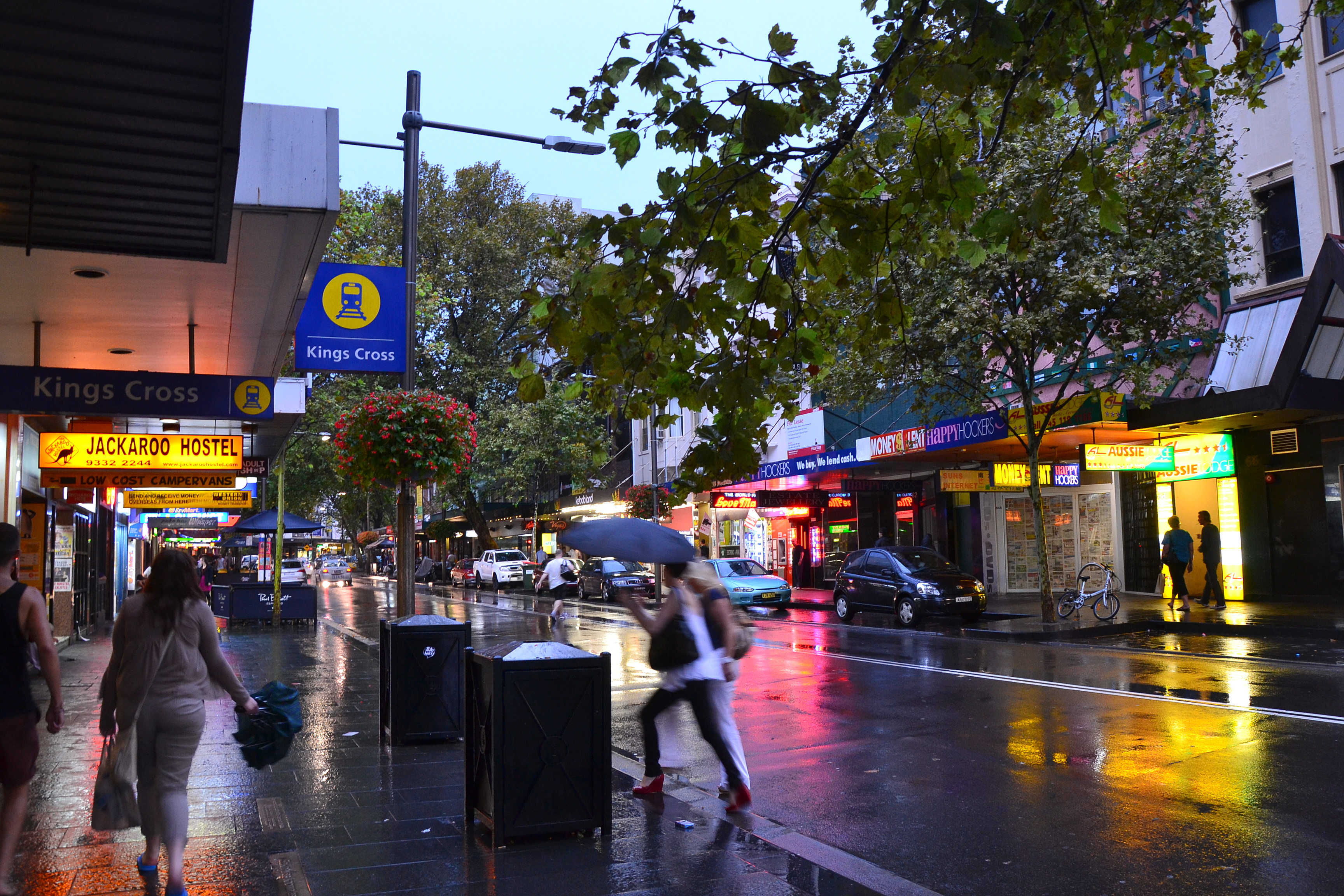
King's Cross holds a complex and evolving place in British culture. Its association with railway culture is deeply ingrained, famously depicted in the Harry Potter series as the gateway to Hogwarts via Platform 9 ¾. This fictional connection has transformed a specific spot within the station into a major tourist attraction. Historically, King's Cross was also known for its more bohemian and alternative scenes, with venues like the Camden Palace (though technically in Camden, it influenced the wider area's nightlife) and a vibrant live music and club culture. The area's regeneration has brought a new wave of cultural institutions, including the Central Saint Martins art college, attracting a new generation of artists and designers. The Regent's Canal towpath has become a popular spot for urban exploration and a backdrop for various media productions, further embedding King's Cross into the visual lexicon of London.
⚡ Current State & Latest Developments
In 2024-2025, King's Cross continues its trajectory as a dynamic urban center. The King's Cross Central development is undergoing final stages of development, with ongoing focus on fostering community and ensuring the area's long-term vitality. New businesses continue to occupy the office spaces, and residential areas are well-established. The area is increasingly recognized for its green spaces and public realm, with initiatives like the Coal Drops Yard shopping and dining destination drawing significant footfall. King's Cross is also a hub for innovation, with numerous tech startups and creative agencies setting up offices. The ongoing management of its transport infrastructure remains a priority, ensuring seamless connectivity for millions of commuters and travelers. There's a palpable energy of a district that has successfully reinvented itself while retaining elements of its historical character.
🤔 Controversies & Debates
The regeneration of King's Cross has not been without its controversies. The scale of the King's Cross Central development has raised concerns about gentrification and the displacement of long-term residents and businesses. Critics argue that the influx of high-end retail and corporate offices has altered the area's social fabric, potentially pricing out more affordable options. The historical association of King's Cross with sex work and its red-light district past has also been a point of contention, with debates surrounding how much of this history should be acknowledged or erased in the new, polished image of the area. Furthermore, the sheer volume of development has led to discussions about the impact on local infrastructure and the potential for over-saturation of certain commercial sectors. The balance between preserving heritage and embracing modernization remains a delicate act.
🔮 Future Outlook & Predictions
The future of King's Cross appears set on continued growth and integration into London's urban landscape. Further development is anticipated, focusing on enhancing public spaces and amenities to solidify its status as a desirable place to live, work, and visit. The area is likely to become an even more significant hub for the creative industries and technology sectors, attracting further investment and talent. As transport links continue to evolve, King's Cross's role as a gateway to London and beyond will only be amplified. There's also a growing emphasis on sustainability within the district, with potential for further green initiatives and energy-efficient building practices. The challenge will be to manage this growth sustainably, ensuring that King's Cross remains an inclusive and vibrant part of the city, rather than solely an enclave for the affluent.
💡 Practical Applications
King's Cross serves multiple practical functions, primarily as a major transportation interchange. Its King's Cross St. Pancras station is indispensable for commuters traveling across London via the London Underground and for those journeying nationally on National Rail services. It's also the primary gateway for Eurostar passengers traveling to Paris, Brussels, and Amsterdam. Beyond transport, the [[kings-cross-central-development|King's Cross Central de
Key Facts
- Category
- place
- Type
- topic