
Contents
Overview
The genesis of King County dates back to December 22, 1852, when the Washington Territorial Legislature carved it out of Thurston County. King County was initially named in honor of William R. King, a U.S. Senator and then Vice President-elect, the county's identity underwent a significant transformation. In 1986, a movement led by local activists and civic leaders successfully advocated for renaming the county to commemorate Martin Luther King Jr., a change formally recognized by the state legislature. This renaming marked a conscious effort to align the county's name with the ideals of the Civil Rights Movement. Early settlement was driven by logging and maritime trade, with pioneers like Arthur Denny establishing Seattle in 1851, laying the groundwork for the region's future growth.
⚙️ Governance & Geography
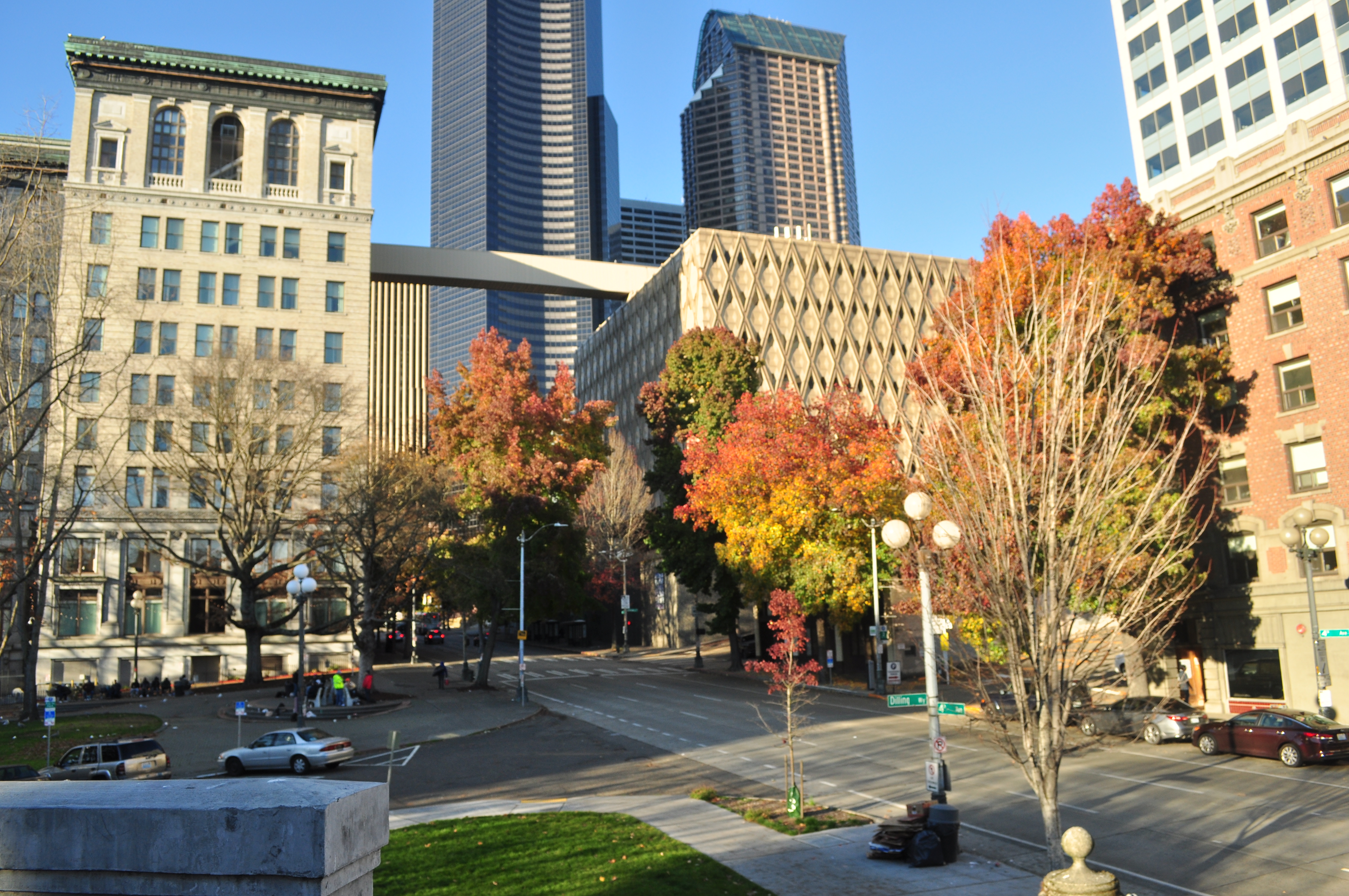
King County operates under a charter county government, a structure that grants it more autonomy than typical counties. Its administrative heart beats in Seattle, which also serves as the capital and largest city. Geographically, the county spans approximately 2,350 square miles, encompassing diverse terrains from the urban core of Seattle to the rugged peaks of the Cascade Range to the east and the waters of Puget Sound to the west. This varied topography influences everything from transportation networks to recreational opportunities, shaping the lives of its residents. The county is further divided into numerous municipalities, including Bellevue, Renton, and Federal Way, each contributing to the county's complex socio-economic fabric.
📊 Key Facts & Numbers
As of the 2020 census, King County's population stood at an impressive 2,269,675, making it the most populous county in Washington and the 12th most populous in the United States. The county's land area covers 2,350 square miles, with 1,990 square miles of land and 360 square miles of water. Its Gross County Product (GCP) is estimated to be over $450 billion annually, driven significantly by the technology sector. The median household income hovers around $90,000, though this figure masks considerable disparities across different communities. Approximately 66% of the county's population resides in suburban areas outside of Seattle, highlighting the extensive urban sprawl that has characterized its development over the past fifty years.
👥 Key People & Organizations
The county's governance is overseen by a nine-member King County Council, elected from geographic districts. Key figures in its history include Arthur Denny, a founder of Seattle, and William Boeing, whose aviation company Boeing was a foundational pillar of the region's economy for decades. More recently, the county has become synonymous with tech giants like Microsoft, co-founded by Bill Gates and Paul Allen, and Amazon, founded by Jeff Bezos. These corporations, along with numerous startups and venture capital firms, have reshaped the county's economic landscape and attracted a highly skilled workforce, significantly influencing its cultural and political trajectory.
🌍 Cultural Impact & Influence
King County's cultural resonance is undeniable, largely emanating from Seattle. It's the birthplace of the grunge music scene that exploded in the early 1990s, with bands like Nirvana and Pearl Jam achieving global fame. The county is also a significant hub for independent film and literary arts, fostering a creative ecosystem that extends beyond its major urban centers. The iconic Space Needle, built for the 1962 Seattle World's Fair, remains a symbol of the region's forward-looking spirit. Furthermore, the county's natural beauty, from Mount Rainier to the shores of Puget Sound, inspires a strong outdoor culture and environmental consciousness among its residents.
⚡ Current State & Latest Developments
In the current era, King County continues to be a bellwether for technological innovation and urban development. The ongoing expansion of Amazon and Microsoft campuses, alongside the burgeoning AI sector, signals a sustained focus on high-tech industries. The county is also grappling with the challenges of rapid growth, including housing affordability crises and increasing traffic congestion, issues that are central to ongoing policy debates. Efforts to expand public transportation, such as the Sound Transit light rail system, are underway to address these pressures. The region is also a focal point for discussions around climate change adaptation, given its coastal location and susceptibility to seismic activity.
🤔 Controversies & Debates
The renaming of King County itself remains a point of discussion, though the consensus has largely solidified around honoring Martin Luther King Jr.. More contentious are the debates surrounding economic inequality, particularly the stark contrast between the immense wealth generated by the tech sector and the rising cost of living, which strains affordability for many residents. The impact of major corporations like Amazon on urban development, labor practices, and local politics is a subject of continuous scrutiny. Furthermore, the environmental stewardship of the county's natural resources, balancing economic development with conservation efforts, presents ongoing challenges and differing viewpoints among stakeholders.
🔮 Future Outlook & Predictions
The future of King County appears inextricably linked to the continued dominance of the technology sector, with potential growth in biotechnology and aerospace also on the horizon. Experts predict further population increases, necessitating significant investments in infrastructure, particularly public transit and affordable housing solutions. The county is also poised to play a crucial role in the development and deployment of AI technologies, potentially attracting further investment and talent. However, addressing the widening wealth gap and ensuring sustainable growth will be paramount to maintaining the region's quality of life and economic resilience in the coming decades.
💡 Practical Applications
King County's practical applications are vast, primarily serving as a global nexus for innovation and commerce. It is a critical hub for software development, e-commerce, and cloud computing, with Microsoft Azure and AWS being dominant forces. The county is also a leader in biotechnology research and development, with institutions like the Fred Hutchinson Cancer Center driving medical advancements. Its extensive transportation infrastructure, including Seattle-Tacoma International Airport and the Sound Transit rail network, facilitates global trade and travel. Furthermore, its natural resources are leveraged for tourism and recreation, supporting industries ranging from outdoor gear retail to hospitality.
Key Facts
- Category
- place
- Type
- place