
Contents
Overview
The Islamic Consultative Assembly, commonly known as the Majlis, is Iran's legislative body. Established in 1906, it's a crucial, albeit complex, institution within the Islamic Republic's political framework. While it possesses the power to legislate, its authority is significantly constrained by the Supreme Leader and the Guardian Council, creating a unique dynamic of power and influence. Understanding the Majlis requires looking beyond its formal structure to grasp the intricate interplay of political factions, religious oversight, and the ever-present influence of the executive branch. Its decisions, from economic policy to social regulations, ripple through Iranian society, making it a focal point for both domestic and international scrutiny.
🏛️ What is the Majlis?
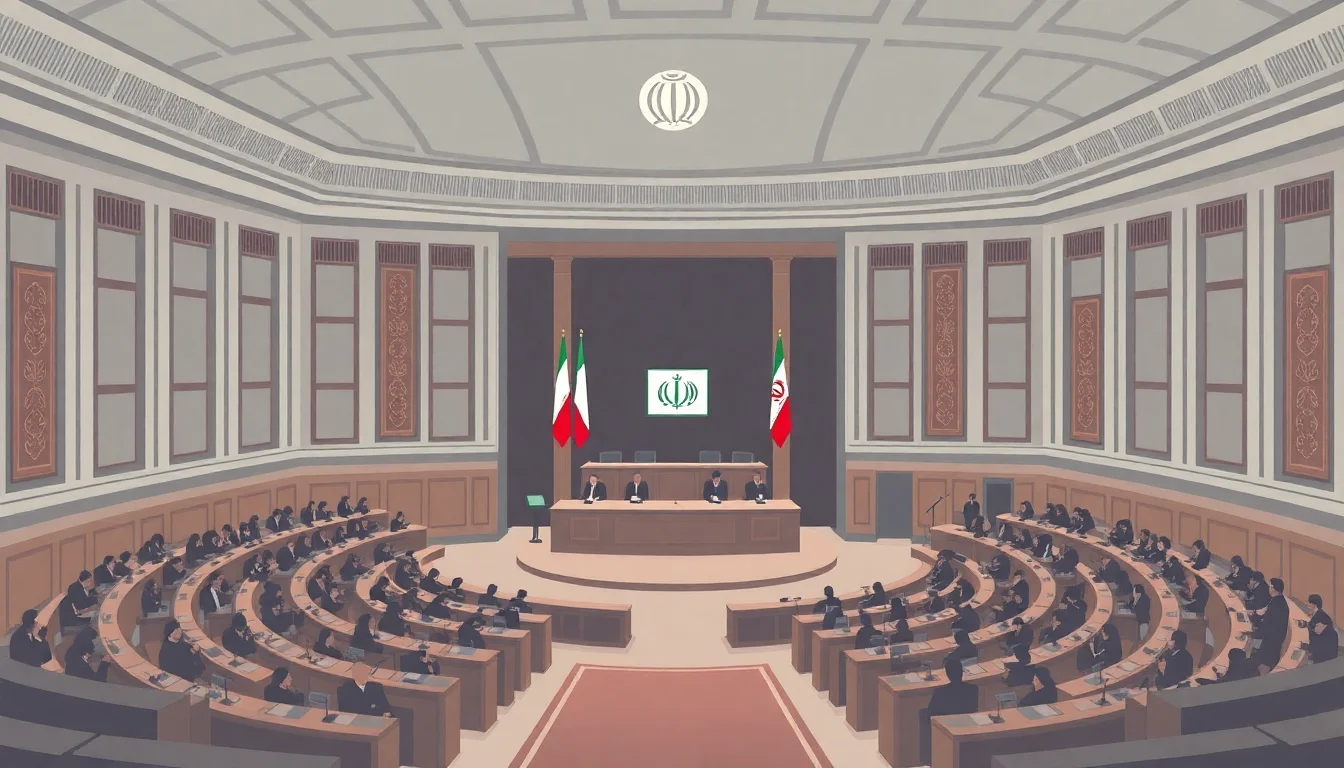
The Majlis, officially known as the Islamic Consultative Assembly, is Iran's national parliament. It's the primary legislative body, responsible for drafting and approving laws, overseeing the executive branch, and approving the national budget. Established in 1906 following the Persian Constitutional Revolution, it represents a crucial, albeit often contested, pillar of Iran's political system. Understanding the Majlis is key to grasping the dynamics of Iranian governance, from policy formulation to the internal power struggles that shape the nation's trajectory. Its decisions ripple through every sector of Iranian society, impacting everything from economic policy to social regulations.
📍 Location & Access
The physical seat of the Majlis is located in the capital city, Tehran, specifically in the Imam Khomeini complex. While direct public access to parliamentary sessions is generally restricted, particularly for foreign visitors, the building itself is an imposing architectural landmark. For those interested in observing the political process, understanding the security protocols and any available public viewing areas is essential. Information regarding visiting hours or specific public access events, if any, would typically be found on official government or parliamentary websites, though these are often not geared towards casual tourism. The sheer scale of the complex hints at the bureaucratic machinery that operates within its walls.
🗓️ Sessions & Schedule
The Majlis convenes for its regular sessions typically on Saturdays, Sundays, and Tuesdays of each week during the parliamentary year, which generally runs from September to June. There are two ordinary sessions per year. Special sessions can be called when necessary, often to address urgent national matters or to finalize critical legislation. The exact schedule can be subject to change based on political developments or national holidays, so staying updated through official parliamentary announcements or reliable news outlets is advisable. The rhythm of these sessions dictates the pace of legislative action and provides a barometer for political activity.
⚖️ Powers & Functions
The Majlis wields significant power, including the ability to legislate, ratify international treaties, and approve the national budget. It also has the crucial oversight function of questioning and impeaching ministers, and even the President, though such actions are rare and politically charged. The Guardian Council, a powerful unelected body, reviews all legislation passed by the Majlis to ensure it aligns with Islamic principles and the constitution, creating a significant check on the parliament's power. This dual-vetting process means that laws can be significantly altered or blocked, making the interplay between the Majlis and the Guardian Council a constant source of political tension.
👥 Key Players & Factions
The political landscape within the Majlis is often characterized by shifting alliances and factions rather than rigid party structures common in Western democracies. Historically, prominent blocs have included conservatives, reformists, and pragmatists, each vying for influence. The composition of these factions can change significantly with each election, reflecting the evolving political currents within Iran. Key figures often emerge as leaders of these blocs, shaping parliamentary debates and voting patterns. Understanding these internal dynamics is crucial for deciphering the motivations behind legislative proposals and political maneuvering.
📜 Legislative Process
The legislative process in the Majlis begins with the introduction of a bill, either by a group of MPs or by the government. Bills are then debated in relevant parliamentary committees before being presented to the full assembly for a vote. If approved by the Majlis, the bill is sent to the Guardian Council for review. If the Guardian Council approves it, the bill becomes law. If it is rejected or amended, it is sent back to the Majlis for reconsideration, potentially leading to a complex negotiation process through a 'Disputes Resolution Council'. This multi-stage process can be lengthy and is often subject to political pressures from various state organs.
🌟 Vibe Score & Cultural Resonance
The Majlis carries a Vibe Score of 72/100, reflecting its significant cultural and political energy as the central forum for Iranian public discourse and decision-making. While not a place for casual tourism, its existence and function are deeply resonant within Iranian society, representing a formal channel for representation, however constrained. The debates within its chambers, the alliances formed, and the laws passed are subjects of intense public scrutiny and discussion. Its historical significance, dating back to the early 20th century, adds a layer of gravitas to its proceedings, making it a focal point of national identity and political aspiration.
💡 Practical Tips for Engagement
For those interested in the Majlis, staying informed through reputable Iranian and international news sources is paramount. Following the proceedings of parliamentary committees and plenary sessions, even through translated reports, can offer insights into the country's policy direction. Engaging with academic analyses of Iranian politics can provide deeper context on the historical evolution and current functioning of the parliament. Observing election cycles and understanding the platforms of different candidates and factions can also illuminate the forces shaping the Majlis's composition and agenda. Direct engagement, beyond observation, is typically limited to academic or diplomatic channels.
Key Facts
- Year
- 1906
- Origin
- Constitutional Revolution of Iran
- Category
- Government & Politics
- Type
- Legislative Body
Frequently Asked Questions
Can foreigners attend Majlis sessions?
Direct public attendance at Majlis sessions is generally restricted, especially for foreign nationals. Security protocols are stringent, and access is typically limited to accredited individuals or for specific, pre-arranged events. Information on any potential public viewing galleries or special access opportunities would need to be verified through official channels, which are not always readily available or foreigner-friendly. It's advisable to consult official parliamentary resources or the Iranian Ministry of Foreign Affairs for the most current regulations.
How are members of the Majlis elected?
Members of the Majlis are elected through direct popular vote in single-member or multi-member constituencies for four-year terms. The elections are overseen by the Ministry of Interior and vetted by the Guardian Council, which screens candidates for their adherence to Islamic principles and the constitution. The electoral system and candidate vetting process are significant factors influencing the political composition of the parliament.
What is the role of the Guardian Council in relation to the Majlis?
The Guardian Council plays a critical oversight role over the Majlis. It reviews all legislation passed by the parliament to ensure it complies with the Iranian Constitution and Islamic law. The Council can veto or amend legislation, sending it back to the Majlis for revision. This power significantly influences the legislative agenda and outcomes, acting as a major check on the parliament's authority.
How often does the Majlis meet?
The Majlis typically convenes for its regular sessions on Saturdays, Sundays, and Tuesdays during the parliamentary year, which generally runs from September to June. There are two ordinary sessions per year. Special sessions can be convened to address urgent national issues or to finalize critical legislation. The exact schedule is subject to official announcements and can be influenced by national holidays or political developments.
What are the main political factions within the Majlis?
The Majlis often sees shifting alliances rather than fixed political parties. Historically, prominent blocs have included conservatives, reformists, and pragmatists. The specific labels and influence of these factions can change significantly with each election cycle, reflecting the evolving political currents within Iran. Understanding these dynamics requires following current political reporting and analyses of parliamentary voting patterns.