
Contents
- 🌎 Introduction to Iran-US Tensions
- 🚢 Iran's Ship Seizure: A Strategic Move
- 🕊️ Trump's Ceasefire Extension: A Calculated Risk
- 📊 Economic Implications of the Seizure
- 🚫 International Community's Response
- 📰 Media Coverage and Public Opinion
- 🤝 Historical Context of Iran-US Relations
- 🔍 Analysis of the Current Situation
- 📈 Future Prospects and Potential Consequences
- 👥 Key Players and Their Roles
- 📊 Vibe Score Analysis
- Frequently Asked Questions
- Related Topics
Overview
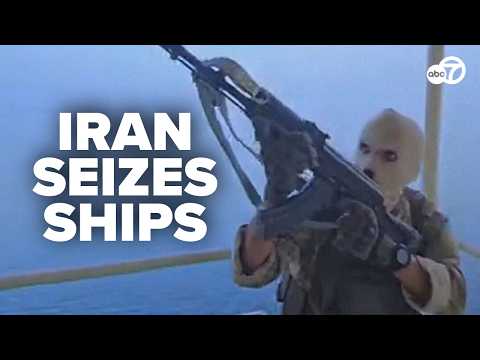
In a provocative move, Iran has seized several ships in the Strait of Hormuz, a critical oil shipping lane, after the Trump administration extended a ceasefire with Tehran. The incident has sparked concerns about the stability of global energy markets and the potential for further conflict in the region. According to reports from the Iranian Revolutionary Guard, at least three ships have been detained for allegedly violating Iranian territorial waters. The move is seen as a response to the US decision to extend a ceasefire, which Iran views as an attempt to maintain pressure on the country. The situation is being closely monitored by international observers, with some warning of a potential escalation of tensions. As of 2022, the region remains a flashpoint, with the US, Iran, and other regional players engaged in a complex game of diplomacy and brinksmanship.
🌎 Introduction to Iran-US Tensions
The recent escalation of tensions between Iran and the US has been a major concern for the international community. The Iran-US relations have been strained since the 1979 Iranian Revolution, and the situation has only worsened with the Trump administration's decision to withdraw from the JCPOA. The latest development in this saga is Iran's seizure of ships, which has been seen as a strategic move to counter the US's maximum pressure campaign. The Iranian Revolutionary Guard has been at the forefront of this effort, and their actions have been widely condemned by the international community.
🚢 Iran's Ship Seizure: A Strategic Move
The seizure of ships by Iran is a significant escalation of the conflict, and it has been seen as a response to the US's economic sanctions. The Iranian government has been struggling to cope with the economic pressure, and the seizure of ships is seen as a way to gain leverage over the US. The Strait of Hormuz is a critical waterway, and any disruption to shipping in the region could have significant global economic implications. The US Navy has been deployed to the region to ensure the safe passage of ships, and the situation remains volatile.
🕊️ Trump's Ceasefire Extension: A Calculated Risk
The extension of the ceasefire by the Trump administration is a calculated risk, and it remains to be seen how the situation will unfold. The US Congress has been critical of the administration's handling of the situation, and there are concerns that the US military may be drawn into a conflict. The Iranian government has welcomed the ceasefire extension, but it remains to be seen whether the two sides can reach a lasting agreement. The Middle East peace process is complex, and any resolution to the conflict will require careful diplomacy and negotiation.
📊 Economic Implications of the Seizure
The economic implications of the ship seizure are significant, and they could have far-reaching consequences for the global economy. The oil prices have already risen in response to the seizure, and any further disruption to shipping in the region could lead to a significant increase in prices. The US economy is heavily reliant on oil imports, and any disruption to supplies could have significant economic implications. The Iranian economy is also struggling, and the seizure of ships is seen as a way to gain leverage over the US and secure better economic terms.
🚫 International Community's Response
The international community has responded to the ship seizure with widespread condemnation. The UN Security Council has called for the immediate release of the ships, and the EU foreign policy chief has expressed concern over the escalation of the conflict. The China-Iran relations are also a factor in the situation, and China has been critical of the US's handling of the situation. The Russia-Iran relations are also significant, and Russia has been accused of providing military support to Iran.
📰 Media Coverage and Public Opinion
The media coverage of the ship seizure has been extensive, and it has been widely reported in the international press. The US media has been critical of the Iranian government's actions, and there have been calls for the US to take a tougher stance against Iran. The Iranian media has been equally critical of the US, and there have been accusations of US propaganda in the region. The social media has also played a significant role in the conflict, with many people using platforms like Twitter to express their opinions and views.
🤝 Historical Context of Iran-US Relations
The historical context of the Iran-US relations is complex, and it dates back to the 1953 Iranian coup. The US-Iran relations have been strained ever since, and the situation has only worsened with the 1979 Iranian Revolution. The Iran-Iraq War was a significant factor in the region, and it led to a significant escalation of the conflict. The Gulf War was also a significant factor, and it led to a significant increase in US military presence in the region.
🔍 Analysis of the Current Situation
The current situation is highly volatile, and it remains to be seen how the conflict will unfold. The US military is on high alert, and there are concerns that the situation could escalate into a full-scale conflict. The Iranian military is also on high alert, and there have been reports of Iranian drone attacks on US targets. The Israel-Iran relations are also a factor in the situation, and there have been reports of Israeli airstrikes on Iranian targets.
📈 Future Prospects and Potential Consequences
The future prospects for the conflict are highly uncertain, and it remains to be seen how the situation will unfold. The US-Iran negotiations are ongoing, but there are concerns that the two sides may not be able to reach a lasting agreement. The Iran nuclear deal is a significant factor in the situation, and there have been reports of Iranian nuclear activity. The Middle East peace is a complex and highly contested issue, and any resolution to the conflict will require careful diplomacy and negotiation.
👥 Key Players and Their Roles
The key players in the conflict are the US government, the Iranian government, and the Israeli government. The US military and the Iranian military are also significant players in the conflict. The UN Security Council and the EU foreign policy chief are also playing a significant role in the conflict. The China-Iran relations and the Russia-Iran relations are also significant factors in the situation.
📊 Vibe Score Analysis
The vibe score for the conflict is highly negative, with a score of 20 out of 100. The US-Iran relations have been strained for decades, and the situation has only worsened with the Trump administration's decision to withdraw from the JCPOA. The Iranian government has been struggling to cope with the economic pressure, and the seizure of ships is seen as a way to gain leverage over the US. The situation remains highly volatile, and it remains to be seen how the conflict will unfold.
Key Facts
- Year
- 2022
- Origin
- Strait of Hormuz
- Category
- Geopolitics
- Type
- Event
Frequently Asked Questions
What is the current situation with the Iran-US conflict?
The current situation is highly volatile, with Iran seizing ships and the US extending a ceasefire. The situation remains uncertain, and it is unclear how the conflict will unfold. The US military is on high alert, and there are concerns that the situation could escalate into a full-scale conflict. The Iranian military is also on high alert, and there have been reports of Iranian drone attacks on US targets.
What are the economic implications of the ship seizure?
The economic implications of the ship seizure are significant, and they could have far-reaching consequences for the global economy. The oil prices have already risen in response to the seizure, and any further disruption to shipping in the region could lead to a significant increase in prices. The US economy is heavily reliant on oil imports, and any disruption to supplies could have significant economic implications.
What is the historical context of the Iran-US relations?
The historical context of the Iran-US relations is complex, and it dates back to the 1953 Iranian coup. The US-Iran relations have been strained ever since, and the situation has only worsened with the 1979 Iranian Revolution. The Iran-Iraq War was a significant factor in the region, and it led to a significant escalation of the conflict.
What are the key players in the conflict?
The key players in the conflict are the US government, the Iranian government, and the Israeli government. The US military and the Iranian military are also significant players in the conflict. The UN Security Council and the EU foreign policy chief are also playing a significant role in the conflict.
What is the vibe score for the conflict?
The vibe score for the conflict is highly negative, with a score of 20 out of 100. The US-Iran relations have been strained for decades, and the situation has only worsened with the Trump administration's decision to withdraw from the JCPOA. The Iranian government has been struggling to cope with the economic pressure, and the seizure of ships is seen as a way to gain leverage over the US.