
Contents
Overview
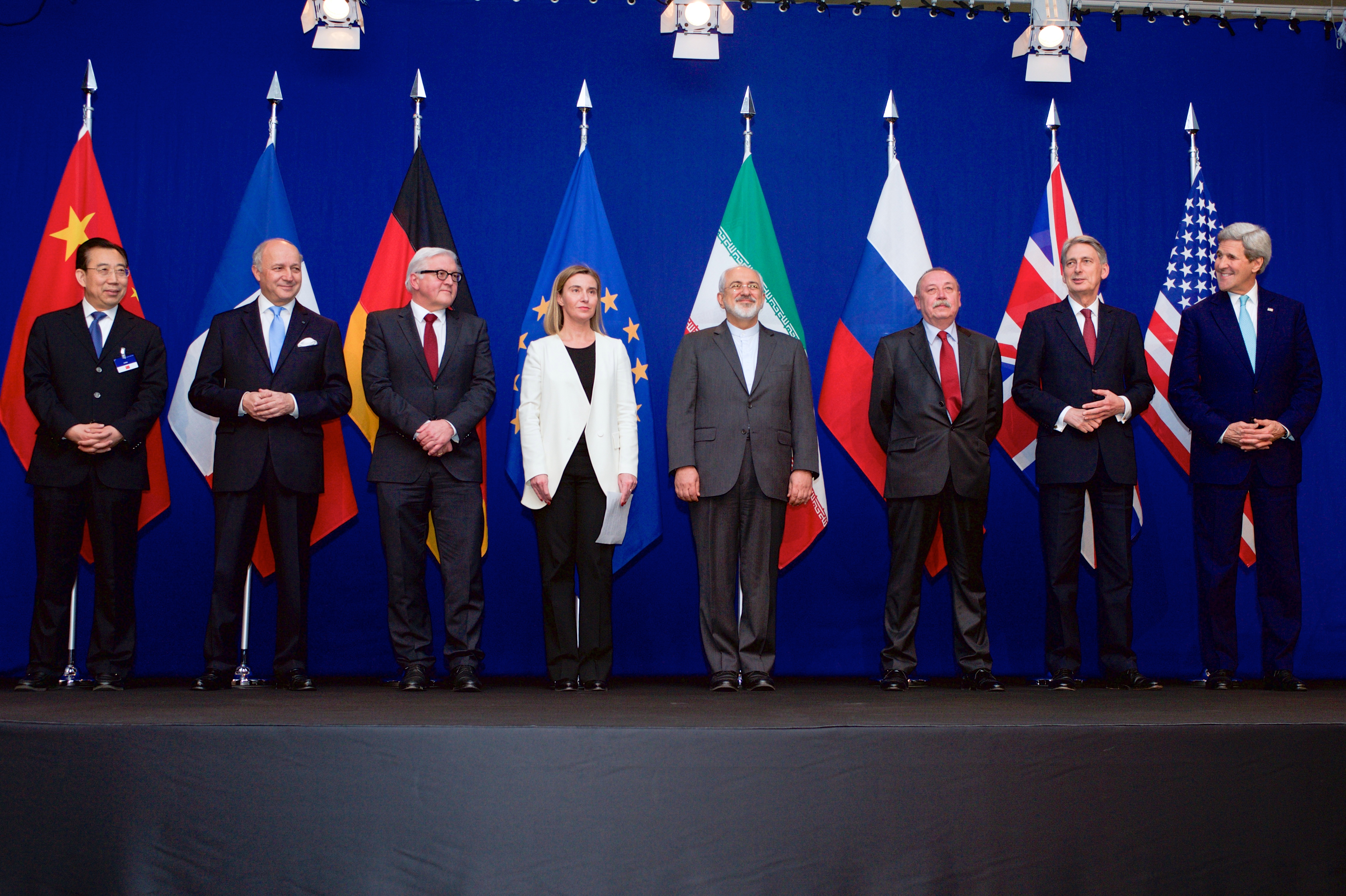
The roots of the Iran Nuclear Deal trace back to international concerns over Iran's clandestine nuclear activities, particularly following revelations in the early 2000s. Decades of diplomatic wrangling, punctuated by periods of heightened tension and near-conflict, preceded the formal negotiations. An interim agreement, the Joint Plan of Action, was signed in November 2013, setting the stage for more comprehensive talks. Over the subsequent 20 months, marathon negotiations involving Iran and the P5+1 countries—China, France, Russia, the United Kingdom, the United States, and Germany—culminated in the JCPOA's finalization in Vienna on July 14, 2015. This agreement was built upon a framework agreed upon in April 2015 and included a separate roadmap agreement with the IAEA for enhanced monitoring.
⚙️ How It Works
The JCPOA's mechanics centered on a quid pro quo: Iran agreed to significant limitations on its nuclear program, while the international community would lift crippling economic sanctions. Specifically, Iran committed to reducing its stockpile of enriched uranium by 98% for 15 years, limiting its enrichment levels to 3.67% for the same period, and dismantling two-thirds of its centrifuges. The IAEA was granted unprecedented access to monitor Iran's declared nuclear facilities and, under specific circumstances, to investigate undeclared sites and activities. This robust verification regime was designed to provide a 'breakout time'—the period Iran would need to produce enough fissile material for one weapon—of at least one year. In return, the U.S. and EU would lift sanctions related to Iran's nuclear program, though some sanctions related to terrorism and human rights would remain.
📊 Key Facts & Numbers
The JCPOA involved a complex web of numerical commitments and timelines. Iran agreed to reduce its enriched uranium stockpile from approximately 10,000 kg to 300 kg for 15 years. The number of operational centrifuges was capped at 5,060 first-generation IR-1 centrifuges for 10 years, a drastic reduction from the roughly 19,000 then in operation. The deal also stipulated that Iran would not pursue or develop reprocessing technology for 15 years and would not build any new facilities for uranium enrichment for 15 years. The sanctions relief was substantial, estimated to unlock billions of dollars in frozen Iranian assets and facilitate trade, with projections suggesting a potential boost of $50 billion to Iran's GDP within a decade. The agreement was set to last for a minimum of 10 years, with certain provisions extending for 15 or 25 years.
👥 Key People & Organizations
Several key figures and organizations were instrumental in the JCPOA's creation and implementation. Hassan Rouhani, as President of Iran, was a central proponent, advocating for a diplomatic resolution. Mohammad Javad Zarif, Iran's Foreign Minister, led the technical negotiations with remarkable skill. On the P5+1 side, John Kerry, then U.S. Secretary of State, played a pivotal role, alongside counterparts like Laurent Fabius of France and Federica Mogherini, the EU's High Representative for Foreign Affairs. The IAEA, under Director General Yukiya Amano, was tasked with the critical verification and monitoring responsibilities. Think tanks like the Brookings Institution and Council on Foreign Relations provided extensive analysis and policy recommendations throughout the process.
🌍 Cultural Impact & Influence
The JCPOA's cultural resonance is profound, symbolizing a rare moment of diplomatic breakthrough in a region often defined by conflict. For proponents, it represented a triumph of multilateralism and diplomacy over confrontation, offering a pathway to de-escalate tensions and prevent nuclear proliferation. It fostered a sense of cautious optimism among those who believed in dialogue and international cooperation. However, the deal also became a lightning rod for criticism, particularly in the U.S. and Israel, fueling intense public debate and shaping political discourse for years. The very act of negotiating and signing such a complex agreement with Iran, a nation often viewed with suspicion, was a significant cultural and political event, challenging established narratives and perceptions on all sides.
⚡ Current State & Latest Developments
The current state of the JCPOA is precarious, marked by the U.S. withdrawal in May 2018 under President Donald Trump, who deemed the deal insufficient and reimposed stringent sanctions. This move triggered Iran's gradual rollback of its nuclear commitments, beginning in May 2019. Despite efforts by remaining signatories like France, Germany, and Russia to salvage the agreement, including proposals for a 'JCPOA 2.0' or a revised framework, direct negotiations between the U.S. and Iran have been fraught with difficulty. In early 2024, Iran continued to enrich uranium beyond the JCPOA limits, possessing an estimated stockpile of over 5,500 kg of enriched uranium, with enrichment levels reaching up to 60%. The IAEA continues to monitor the situation, but its access and verification capabilities have been curtailed compared to the deal's peak.
🤔 Controversies & Debates
The JCPOA remains one of the most controversial international agreements of the 21st century. Critics, particularly in the U.S. and Israel, argued that the deal did not go far enough, allowing Iran to retain a nuclear infrastructure that could eventually be used for weapons development, and that its sunset clauses—provisions that expire after a certain period—were too lenient. Concerns were also raised about Iran's ballistic missile program and its regional activities, which were not directly addressed by the JCPOA. Conversely, supporters contended that the deal was the best achievable outcome, providing robust verification mechanisms and significantly delaying any potential Iranian nuclear weapon program. The debate over whether the U.S. withdrawal was justified or detrimental to global security continues to be a central point of contention.
🔮 Future Outlook & Predictions
The future outlook for the JCPOA is uncertain, with prospects for its revival appearing dim in the short to medium term. While diplomatic channels remain open, the deep mistrust between the U.S. and Iran, coupled with Iran's advanced nuclear capabilities and ongoing regional proxy conflicts, presents formidable obstacles. Some analysts predict a continued state of 'nuclear brinkmanship,' where Iran incrementally expands its nuclear program while the international community grapples with enforcement and deterrence. Others hope that a change in U.S. administration or a shift in regional dynamics could pave the way for renewed negotiations. A complete collapse of diplomatic efforts could potentially lead to a dangerous escalation, with implications for regional stability and global non-proliferation efforts.
💡 Practical Applications
While the JCPOA itself is a diplomatic and political construct, its implications have practical applications in international relations and nuclear non-proliferation strategy. The agreement serves as a case study for future arms control negotiations, highlighting the complexities of verification, sanctions, and multilateral diplomacy. The technologies and expertise developed for monitoring Iran's nuclear program, particularly by the IAEA, have broader applications in safeguarding other nuclear facilities worldwide. Furthermore, the economic sanctions relief and subsequent trade opportunities offered under the deal had tangible impacts on global energy markets and international business, demonstrating the interconnectedness of geopolitics and commerce.
Key Facts
- Category
- politics
- Type
- topic