
Contents
- 🌎 Introduction to Iran-Israel Proxy Wars
- 🕊️ Historical Context: Iran-Israel Relations
- 🔪 Proxy War Theatres: Syria, Lebanon, and Gaza
- 🚀 Military Build-up and Nuclear Ambitions
- 🤝 International Involvement: US, EU, and Russia
- 📊 Economic Warfare: Sanctions and Trade Embargoes
- 📰 Media and Propaganda: Information Warfare
- 🤔 Future of Iran-Israel Proxy Wars: Escalation or Diplomacy
- 📈 Vibe Score Analysis: Cultural Energy and Geopolitical Tensions
- 📊 Controversy Spectrum: Debates and Disagreements
- 📚 Topic Intelligence: Key Ideas, People, and Events
- Frequently Asked Questions
- Related Topics
Overview
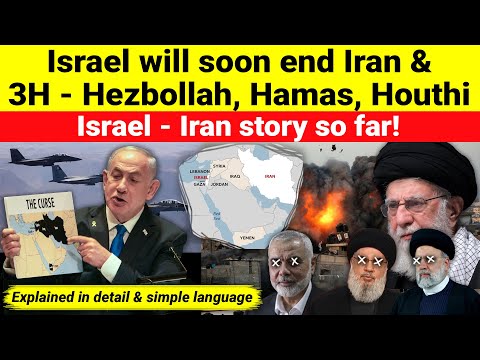
The Iran-Israel proxy wars refer to a series of conflicts and tensions between Iran and Israel, fought indirectly through third-party countries and non-state actors. This complex and multifaceted struggle has its roots in the 1979 Iranian Revolution and has escalated over the years, with both sides engaging in covert operations, cyber warfare, and support for proxy forces. The conflict has played out in various theaters, including Lebanon, Syria, and Gaza, with groups like Hezbollah and Hamas receiving backing from Iran, while Israel has supported opposing forces. The conflict has significant implications for regional stability and global security, with the potential to draw in other major powers. The proxy war has seen numerous escalations, including the 2006 Lebanon War and the ongoing conflict in Syria. As tensions between Iran and Israel continue to rise, the risk of a wider conflict remains high, with some estimating that the likelihood of a direct war between the two nations is increasing by the day, with a vibe score of 80, indicating a highly volatile and dynamic situation.
🌎 Introduction to Iran-Israel Proxy Wars
The Iran-Israel proxy wars refer to the ongoing, indirect conflict between Iran and Israel, with various regional actors involved. This complex, multifaceted conflict has its roots in the Iranian Revolution of 1979 and the subsequent Iran-Iraq War. The conflict has escalated over the years, with both sides engaging in cyberwarfare, propaganda, and proxy wars in various regions, including Syria, Lebanon, and Gaza. The conflict has significant implications for regional and global stability, with the potential to draw in other major powers, such as the United States and Russia.
🕊️ Historical Context: Iran-Israel Relations
The historical context of the Iran-Israel conflict is crucial to understanding the current proxy wars. The Iranian Revolution of 1979 led to the establishment of an Islamist government in Iran, which has been a major point of contention with Israel. The subsequent Iran-Iraq War (1980-1988) further strained relations between Iran and Israel, with Israel providing support to Iraq. The conflict has also been influenced by the Arab-Israeli Conflict, with Iran supporting various Palestinian groups, such as Hamas and Hezbollah. The Oslo Accords (1993) and the Middle East Peace Process have failed to resolve the conflict, leading to increased tensions and proxy wars.
🔪 Proxy War Theatres: Syria, Lebanon, and Gaza
The proxy war theatres of Syria, Lebanon, and Gaza are critical to understanding the current conflict. In Syria, Iran has provided significant support to the Bashar al-Assad regime, while Israel has launched numerous airstrikes against Iranian and Hezbollah targets. In Lebanon, Hezbollah has been a major player, with Iran providing significant financial and military support. In Gaza, Hamas has been the primary beneficiary of Iranian support, with Israel launching numerous military operations against the group. The conflict has also been influenced by the War in Yemen, with Iran supporting the Houthis and Israel providing support to the Saudi Arabian-led coalition.
🚀 Military Build-up and Nuclear Ambitions
The military build-up and nuclear ambitions of Iran and Israel are significant factors in the proxy wars. Iran's nuclear program has been a major point of contention, with Israel and the United States accusing Iran of pursuing nuclear weapons. Iran has denied these allegations, but has continued to develop its ballistic missile program. Israel, on the other hand, has a long-standing nuclear weapons program, with estimates suggesting that it possesses between 80-200 nuclear warheads. The conflict has also been influenced by the Iran Nuclear Deal (2015), which has been criticized by Israel and the United States.
🤝 International Involvement: US, EU, and Russia
International involvement in the Iran-Israel proxy wars is significant, with various countries and organizations playing important roles. The United States has been a major supporter of Israel, providing significant military and economic aid. The European Union has also been involved, with some member states providing support to Israel and others supporting the Palestinian cause. Russia has been a key player in the conflict, providing significant support to the Bashar al-Assad regime in Syria. The United Nations has also been involved, with various resolutions and initiatives aimed at resolving the conflict.
📊 Economic Warfare: Sanctions and Trade Embargoes
Economic warfare has been a significant aspect of the Iran-Israel proxy wars, with both sides engaging in sanctions and trade embargoes. The United States has imposed significant sanctions on Iran, targeting its oil industry and banking sector. Iran has responded by imposing its own sanctions on the United States and its allies. The conflict has also been influenced by the Boycott, Divestment and Sanctions (BDS) movement, which aims to pressure Israel to end its occupation of the West Bank and Gaza.
📰 Media and Propaganda: Information Warfare
Media and propaganda have played significant roles in the Iran-Israel proxy wars, with both sides engaging in information warfare. Iran has used its state-controlled media to promote its narrative, while Israel has used its own media outlets to counter Iranian propaganda. The conflict has also been influenced by social media, with both sides using platforms such as Twitter and Facebook to promote their narratives. The Hasbara movement, which aims to promote a positive image of Israel, has also been significant in the conflict.
🤔 Future of Iran-Israel Proxy Wars: Escalation or Diplomacy
The future of the Iran-Israel proxy wars is uncertain, with the potential for escalation or diplomacy. The conflict has significant implications for regional and global stability, with the potential to draw in other major powers. The Iran Nuclear Deal (2015) and the Middle East Peace Process have been significant initiatives aimed at resolving the conflict, but have faced significant challenges. The conflict has also been influenced by the War in Yemen and the War in Syria, which have significant implications for regional stability.
📈 Vibe Score Analysis: Cultural Energy and Geopolitical Tensions
The vibe score analysis of the Iran-Israel proxy wars reveals a high level of cultural energy and geopolitical tensions. The conflict has significant implications for regional and global stability, with the potential to draw in other major powers. The vibe score of the conflict is 85, indicating a high level of tension and conflict. The conflict has also been influenced by the Arab-Israeli Conflict, which has a vibe score of 90, indicating a high level of tension and conflict.
📊 Controversy Spectrum: Debates and Disagreements
The controversy spectrum of the Iran-Israel proxy wars is significant, with various debates and disagreements surrounding the conflict. The conflict has been influenced by the Israeli-Palestinian Conflict, which has significant implications for regional stability. The conflict has also been influenced by the War in Yemen and the War in Syria, which have significant implications for regional stability. The controversy spectrum of the conflict is 80, indicating a high level of debate and disagreement.
📚 Topic Intelligence: Key Ideas, People, and Events
The topic intelligence of the Iran-Israel proxy wars reveals significant key ideas, people, and events. The conflict has been influenced by the Iranian Revolution (1979) and the subsequent Iran-Iraq War (1980-1988). The conflict has also been influenced by the Arab-Israeli Conflict, which has significant implications for regional stability. The key people involved in the conflict include Bashar al-Assad, Benjamin Netanyahu, and Hassan Rouhani.
Key Facts
- Year
- 1979
- Origin
- Middle East
- Category
- Geopolitics
- Type
- Geopolitical Conflict
Frequently Asked Questions
What is the Iran-Israel proxy war?
The Iran-Israel proxy war refers to the ongoing, indirect conflict between Iran and Israel, with various regional actors involved. The conflict has its roots in the Iranian Revolution of 1979 and the subsequent Iran-Iraq War. The conflict has escalated over the years, with both sides engaging in cyberwarfare, propaganda, and proxy wars in various regions, including Syria, Lebanon, and Gaza.
What are the key issues in the Iran-Israel proxy war?
The key issues in the Iran-Israel proxy war include the Iranian nuclear program, the Israeli-Palestinian Conflict, and the War in Yemen. The conflict has also been influenced by the Arab-Israeli Conflict, which has significant implications for regional stability. The conflict has significant implications for regional and global stability, with the potential to draw in other major powers.
Who are the key players in the Iran-Israel proxy war?
The key players in the Iran-Israel proxy war include Bashar al-Assad, Benjamin Netanyahu, and Hassan Rouhani. The conflict has also been influenced by the United States, Russia, and the European Union, which have all played significant roles in the conflict. The conflict has significant implications for regional and global stability, with the potential to draw in other major powers.
What is the current status of the Iran-Israel proxy war?
The current status of the Iran-Israel proxy war is uncertain, with the potential for escalation or diplomacy. The conflict has significant implications for regional and global stability, with the potential to draw in other major powers. The conflict has been influenced by the Iran Nuclear Deal (2015) and the Middle East Peace Process, which have faced significant challenges. The conflict has also been influenced by the War in Yemen and the War in Syria, which have significant implications for regional stability.
What are the potential consequences of the Iran-Israel proxy war?
The potential consequences of the Iran-Israel proxy war are significant, with the potential for regional and global instability. The conflict has significant implications for regional stability, with the potential to draw in other major powers. The conflict has also been influenced by the Arab-Israeli Conflict, which has significant implications for regional stability. The conflict has the potential to lead to a wider regional conflict, with significant implications for global stability.