
Contents
Overview
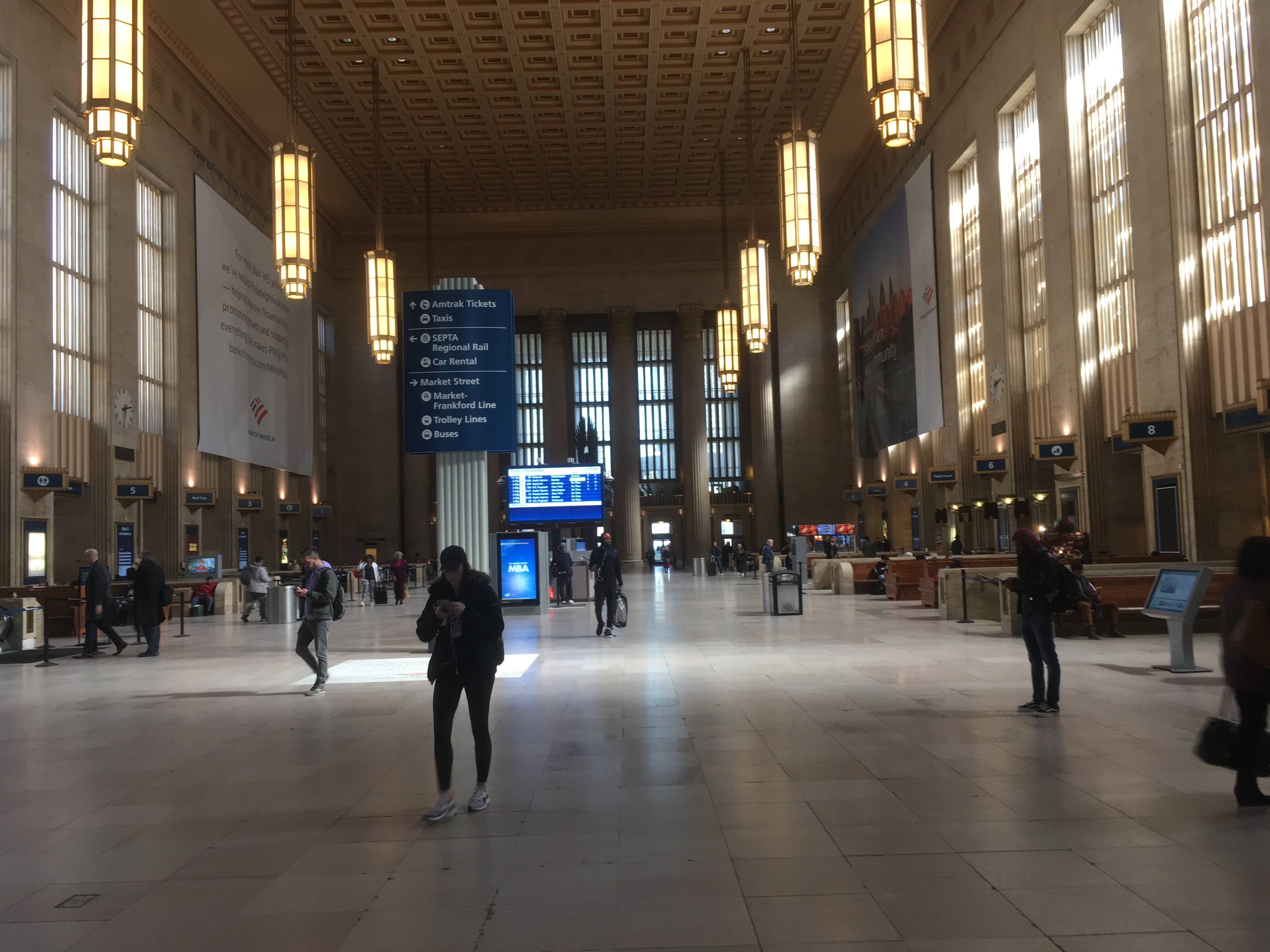
The concept of interior design trends, while perhaps not formally codified until the 20th century, has roots stretching back to antiquity. Ancient civilizations like the Egyptians and Romans meticulously decorated their dwellings, reflecting status and cultural beliefs through specific motifs and material choices. The Renaissance saw a surge in architectural and decorative styles, with patrons commissioning elaborate interiors that set standards for centuries. The Victorian era, with its emphasis on ornamentation and the burgeoning middle class, generated distinct trends in furniture, textiles, and clutter. The advent of mass production in the Industrial Revolution democratized design, allowing trends to spread more rapidly, while movements like Art Nouveau and later Art Deco in the late 19th and early 20th centuries introduced distinct, influential aesthetic vocabularies that defined eras. The mid-20th century, particularly post-WWII, saw the rise of influential designers like Ray and Charles Eames and Eero Saarinen, whose furniture and architectural concepts became emblematic of modernism and continue to influence design today.
⚙️ How Trends Emerge
Interior design trends emerge from a complex interplay of factors, often driven by a combination of visionary designers, cultural commentators, and market forces. High-profile designers and architects, showcasing their work at events like the Salone del Mobile in Milan, often introduce novel concepts that trickle down. Color forecasting agencies, such as Pantone, play a significant role by predicting popular hues, which then appear in paint, textiles, and accessories. Media outlets, including design magazines like Architectural Digest and Elle Decoration, amplify these emerging styles. Furthermore, shifts in lifestyle—such as the rise of remote work necessitating home office spaces or a growing environmental consciousness favoring sustainable materials—profoundly shape design directions. Technological innovations, like new manufacturing techniques or smart home integration, also introduce new possibilities and aesthetic preferences.
📊 Key Trends & Their Impact
Biophilic design, integrating natural elements like plants and natural light, has also seen a significant rise, driven by a desire for well-being and a connection to nature, with studies from the University of Exeter indicating its positive impact on mood and productivity.
👥 Influential Designers & Movements
Several influential designers and movements have left indelible marks on interior design trends. Designers like Verner Panton pushed boundaries with his futuristic, sculptural furniture in the 1960s and 70s. The Memphis Group, active in the 1980s, challenged modernist dogma with its vibrant colors, abstract shapes, and postmodern sensibility, creating pieces that were as much art as furniture. More recently, designers like Kelly Wearstler have become synonymous with a bold, eclectic, and luxurious aesthetic, while figures like Ilse Crawford focus on the human experience and the emotional impact of spaces, advocating for materials that age gracefully and tell a story.
🌍 Global Trend Diffusion
Interior design trends are increasingly globalized, facilitated by the internet, social media platforms like Instagram, and international design fairs. What originates in Stockholm can rapidly influence interiors in Los Angeles or Tokyo. However, this diffusion is not always uniform; local cultures, climates, and available materials often lead to regional interpretations. For instance, Scandinavian design's emphasis on light and natural materials resonates globally but is adapted to suit different living conditions. Similarly, the widespread appeal of Japanese minimalism, with its focus on Wabi-sabi principles of imperfection and transience, has found echoes in Western design, often blended with local aesthetics. The digital age has accelerated this cross-pollination, making it easier than ever for designers and consumers to access and adopt styles from around the world.
⚡ Current & Emerging Trends
Current interior design trends reflect a complex societal mood, balancing a desire for comfort and escapism with a growing emphasis on sustainability and personal expression. "Japandi," a hybrid of Japanese and Scandinavian design, continues its reign, emphasizing minimalism, natural materials, and functionality. "Dopamine decor," characterized by bold colors, playful patterns, and eclectic furnishings, offers a counterpoint, prioritizing joy and personality. There's a significant push towards sustainable and ethically sourced materials, including reclaimed wood, recycled plastics, and natural fibers like linen and bamboo, driven by increased environmental awareness. Vintage and antique furniture are also experiencing a resurgence, appealing to a desire for unique pieces with history and a rejection of fast-furniture culture. Smart home technology integration, while not strictly aesthetic, is increasingly influencing layout and material choices to accommodate devices seamlessly.
🤔 Debates & Criticisms
The rapid cycle of trends in interior design is a subject of ongoing debate. Critics argue that the constant push for novelty encourages consumerism and waste, contributing to the environmental impact of the furniture and decor industries. The concept of 'fast furniture,' mirroring fast fashion, is particularly criticized for its disposable nature and often poor quality.
🔮 Future Trajectories
The future of interior design trends is likely to be shaped by continued technological integration, a deepening commitment to sustainability, and a greater emphasis on well-being and personalization. We can anticipate further advancements in smart home technology, leading to more integrated and intuitive living spaces. The circular economy will likely gain more traction, with increased focus on modular furniture, repairability, and materials designed for disassembly and recycling. Biophilic design principles will probably become more sophisticated, moving beyond potted plants to more integrated natural systems. Personalization will also be key, with AI-driven design tools potentially offering bespoke solutions tailored to individual preferences and needs, moving away from one-size-fits-all trends towards highly curated personal environments. The concept of adaptable spaces, easily reconfigured for different uses, will also become more prevalent.
💡 Practical Application
Interior design trends have tangible applications across various sectors. In residential design, they guide homeowners in selecting furniture, paint colors, and decor to create spaces that reflect their lifestyle and aspirations. In commercial spaces, trends influence the design of offices, retail environments, and hospitality venues to attract customers, enhance employee productivity, and convey brand identity. For instance, the trend towards flexible workspaces has led to the redesign of many corporate offices to include collaborative zones and quiet pods. Retailers leverage trends to create appeali
Key Facts
- Category
- aesthetics
- Type
- topic