
Contents
Overview
The concept of replacing human milk with artificial substitutes dates back to the mid-19th century, a period marked by advancements in food preservation and chemistry. Early attempts, often involving cow's milk diluted with water and sugar, were crude and frequently led to infant mortality. A pivotal moment arrived with Justus von Liebig, a German chemist, who developed an early infant food. His formula, based on cow's milk, flour, and malt, aimed to approximate the nutritional profile of breast milk. This innovation laid the groundwork for the modern infant formula industry, which rapidly expanded throughout the late 19th and early 20th centuries with companies like Nestlé and Ross Laboratories (later acquired by Abbott) emerging as major players. The development of pasteurization and improved understanding of infant nutritional needs, particularly the role of vitamins and minerals, further refined these products.
⚙️ How It Works
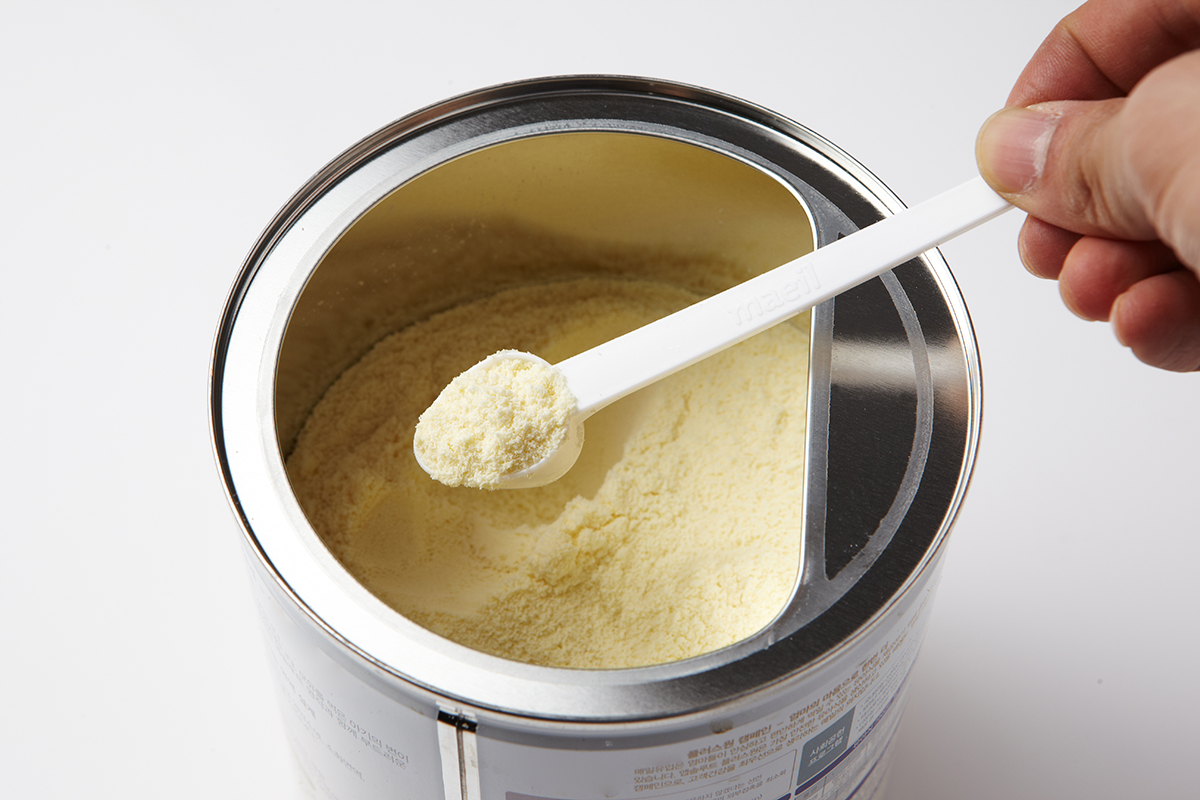
Infant formula is engineered to replicate the macronutrient and micronutrient composition of human breast milk as closely as possible, though perfect replication remains elusive. The base is typically cow's milk, which undergoes extensive processing to reduce its protein and mineral content, making it more digestible for infants. Carbohydrates are usually supplied by lactose, mirroring breast milk, though corn syrup solids are also used. Fats are added from vegetable oil blends to provide essential fatty acids like linoleic and alpha-linolenic acid, crucial for brain development. Protein sources are often whey and casein, adjusted to a specific ratio, typically closer to that of mature breast milk. Vitamins and minerals, including iron, vitamin D, calcium, and DHA (docosahexaenoic acid), are fortified to meet the demanding nutritional requirements of a rapidly growing infant. Regulatory bodies like the U.S. Food and Drug Administration (FDA) and the European Food Safety Authority (EFSA) set strict standards for composition and safety.
📊 Key Facts & Numbers
The global infant formula market is a colossal enterprise. Asia-Pacific represents the largest regional market for infant formula. The market is characterized by intense competition.
👥 Key People & Organizations
Several key organizations and individuals have shaped the infant formula landscape. Justus von Liebig's 19th-century work provided the scientific foundation. In the corporate realm, Nestlé, founded by Henri Nestlé, became a pioneer with its early milk-based food. Abbott Laboratories, through its Similac brand, has been a dominant force in the U.S. market for decades. Danone's acquisition of Numico significantly expanded its global reach. Public health organizations like the World Health Organization (WHO) and UNICEF advocate for breastfeeding and have been critical of aggressive formula marketing practices, particularly in developing nations. The International Formula Council represents manufacturers in the U.S., engaging with regulatory bodies.
🌍 Cultural Impact & Influence
Infant formula has profoundly impacted societal norms around infant feeding and maternal roles. Its availability has enabled mothers to return to the workforce more readily and provided a critical lifeline for infants unable to breastfeed due to medical reasons or maternal choice. The marketing of formula has often positioned it as a superior or more convenient alternative to breastfeeding, influencing generations of parents. This has led to a complex cultural dynamic where breastfeeding, while often promoted as ideal, faces challenges from the pervasive presence and sophisticated advertising of formula brands. The global reach of companies like Nestlé means that cultural perceptions of infant feeding are increasingly homogenized, with formula becoming a ubiquitous symbol of modern infant care in many parts of the world, from China to Brazil.
⚡ Current State & Latest Developments
The infant formula sector is in constant flux, driven by scientific research, consumer demand, and regulatory changes. Recent years have seen a surge in demand for specialized formulas catering to specific needs, such as those for allergies (e.g., Neocate by Nutricia) or prematurity. Innovations are also emerging in areas like plant-based formulas and those incorporating prebiotics and probiotics, aiming to further enhance infant gut health and immune function. The development of 'smart' bottles and tracking apps also signals a growing integration of technology into infant feeding.
🤔 Controversies & Debates
The controversies surrounding infant formula are deep-seated and persistent. The most significant debate centers on the comparison between formula feeding and breastfeeding. Critics argue that many companies, including Nestlé, continue to engage in unethical marketing practices, particularly in low- and middle-income countries. Concerns persist about the potential health risks associated with formula feeding, such as increased susceptibility to infections and potential links to chronic diseases later in life, although proponents emphasize its necessity and safety when used appropriately. The concentration of the market among a few major corporations also raises concerns about price gouging and reduced consumer choice.
🔮 Future Outlook & Predictions
The future of infant formula will likely be shaped by advancements in biotechnology and a growing emphasis on personalized nutrition. Researchers are exploring novel protein sources, such as insect protein or lab-grown milk, to create more sustainable and hypoallergenic options. The role of the infant microbiome is gaining prominence, leading to increased development of formulas fortified with specific prebiotics and probiotics designed to promote a healthy gut environment. Personalized formulas, tailored to an individual infant's genetic makeup or specific health needs, represent a long-term aspiration, though significant scientific and regulatory hurdles remain. Furthermore, the industry may face increased pressure to adopt more sustainable production methods and transparent marketing practices, especially in light of growing consumer awareness and regulatory scrutiny.
💡 Practical Applications
Infant formula's primary application is as a safe and nutritionally complete alternative to human breast milk for infants up to 12 months of age. It is used when breastfeeding is not possible, insufficient, or chosen by the parent. Specific formulations exist for preterm infants, those with allergies (e.g., hydrolyzed protein formulas), and infants with metabolic disorders requiring specialized diets. Beyond direct infant consumption, formula plays a role in clinical settings, such as neonatal intensive care units (NICUs), where premature or critically ill infants require precisely controlled nutrition. The manufacturing process itself involves sophisticated food science, including spray drying,
Key Facts
- Category
- science
- Type
- topic