
Contents
Overview
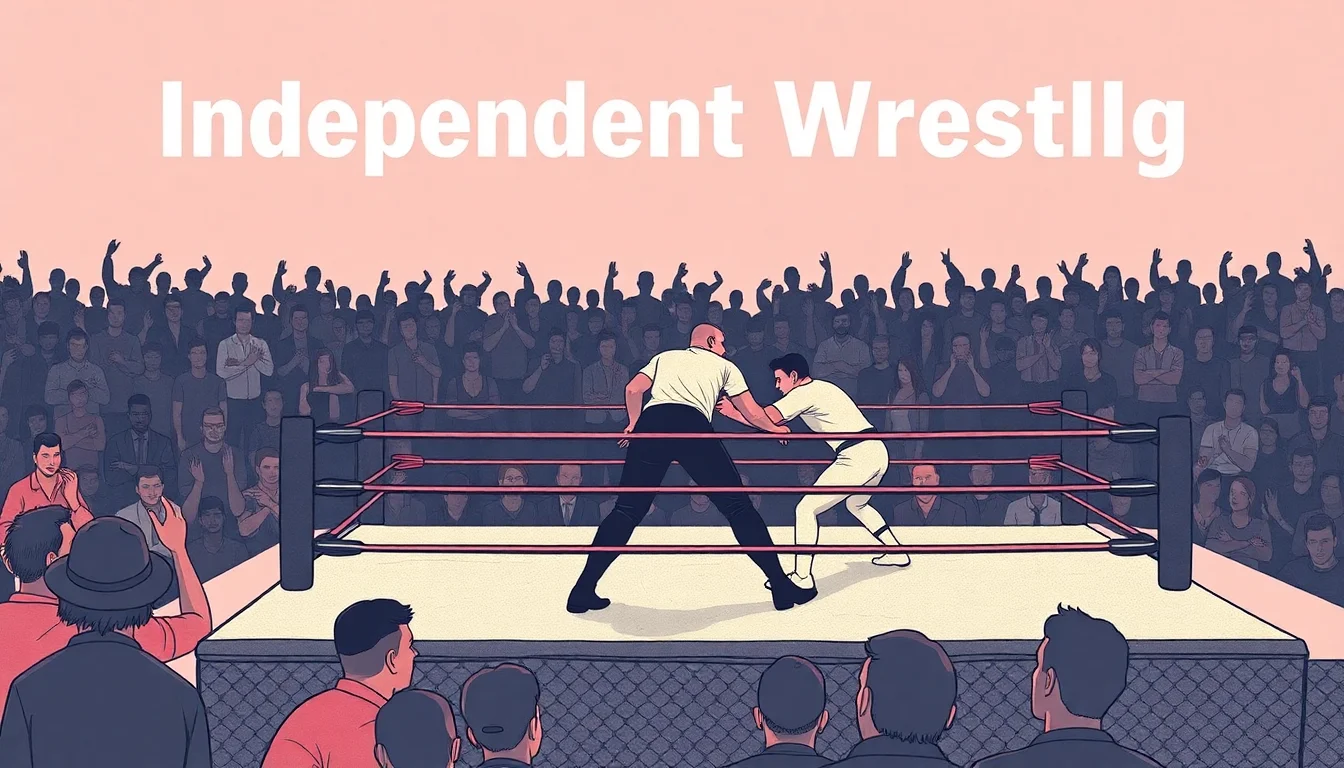
Independent wrestling, commonly known as the 'indies,' refers to the vast network of professional wrestling promotions operating outside the purview of major, globally recognized corporations. These organizations, often regionally focused and independently owned, serve as crucibles for emerging talent and experimental storytelling, fostering a distinct culture and aesthetic. While historically viewed as a developmental league for larger entities, the indies have carved out their own significant niche, boasting dedicated fanbases, unique in-ring styles, and a substantial economic footprint. The global reach of independent wrestling is undeniable, with promotions in the United States, Japan, the United Kingdom, Mexico, and beyond contributing to a dynamic and ever-evolving landscape that constantly challenges the mainstream narrative of professional wrestling.
🎵 Origins & History
The roots of independent wrestling stretch back to the earliest days of professional wrestling, where regional promoters operated with limited reach and often fierce competition. Before the consolidation of power under entities like Vince McMahon's World Wrestling Federation (now WWE), wrestling was a patchwork of local territories, each with its own stars and storylines. Extreme Championship Wrestling (ECW) demonstrated the viability of a promotion with a distinct identity and a focus on a more intense, gritty style, influencing countless subsequent independent promotions. The inception of Ring of Honor (ROH) in 2002, with its emphasis on athletic, 'pure' wrestling, further codified the idea of a distinct independent product that could stand on its own merits, attracting talent seeking a different platform than the mainstream.
⚙️ How It Works
Independent wrestling promotions operate on a decentralized model, characterized by independent ownership and often limited resources compared to major corporations. They function by booking talent, promoting shows in various venues (from small halls to larger arenas), and distributing content through a mix of live events, DVDs, and increasingly, online streaming platforms like FITE TV or IWTV. Wrestlers on the indie circuit are typically independent contractors, meaning they are not employees of the promotions they work for. This allows them to work for multiple companies simultaneously, a practice that fuels the interconnectedness of the scene but also presents challenges in terms of consistent booking and character development. The 'work' of independent wrestling often involves a higher degree of creative freedom for performers, allowing for more experimental storylines and in-ring innovations that might not be feasible within the more structured environments of AEW or WWE.
📊 Key Facts & Numbers
The independent wrestling scene is a massive, albeit fragmented, global industry. While precise revenue figures are difficult to aggregate due to the independent nature of the promotions, estimates suggest the global market for independent wrestling content and merchandise likely exceeds hundreds of millions of dollars annually. In the United States alone, hundreds of active independent promotions operate, with larger ones like Impact Wrestling (which has roots in independent wrestling) and MLW drawing thousands to their live events. Promotions like NJPW in Japan and Progress Wrestling in the UK consistently sell out venues with capacities of 1,000 to 5,000 attendees. The average ticket price for an independent wrestling show can range from $20 to $75, with premium seating and merchandise adding to the overall revenue. Over 500 independent wrestling promotions are estimated to be active worldwide at any given time.
👥 Key People & Organizations
Key figures in independent wrestling are numerous and span decades, representing both performers and promoters who have shaped the scene. Promoters like Paul Heyman (with ECW) and Cary Silvestri (with ROH) established influential models. Wrestlers such as CM Punk, Bryan Danielson, Mercedes Moné, and Kenny Omega gained significant international fame through their work on the independent circuit before achieving mainstream success, demonstrating the talent pipeline. Organizations like Pro Wrestling Guerrilla (PWG) in California are renowned for their high-octane, critically acclaimed shows, while Combat Zone Wrestling (CZW) is known for its more extreme style. The National Wrestling Alliance (NWA), a historic brand revitalized in recent years, also operates as a significant independent entity.
🌍 Cultural Impact & Influence
The cultural impact of independent wrestling is profound, extending far beyond its immediate fanbase. It has served as a breeding ground for innovation in in-ring performance, introducing styles and moves that eventually find their way into major promotions. The DIY ethos of the indies has inspired countless creators in other fields, fostering a culture of accessibility and direct fan engagement. Many of the most popular wrestlers today, including Jon Moxley and Jamie Hayter, honed their craft and built their initial followings in independent promotions. Furthermore, independent wrestling has provided a platform for diverse voices and perspectives within the often homogenous world of mainstream entertainment, allowing for more varied storytelling and character representation, influencing the broader pop culture landscape.
⚡ Current State & Latest Developments
The current state of independent wrestling is one of dynamic growth and adaptation. The proliferation of streaming services like IWTV, Highspots Network, and individual promotion-specific platforms has made independent wrestling more accessible than ever before to a global audience. Promotions like Game Changer Wrestling (GCW) have gained significant traction by pushing boundaries with unique, often extreme, events that generate considerable buzz online. The relationship between independent promotions and major players like AEW and WWE remains complex; while many wrestlers transition to larger companies, there's also a growing trend of established stars making appearances on the independent scene, blurring the lines. The post-pandemic era has seen a resurgence in live attendance, with many independent shows selling out consistently.
🤔 Controversies & Debates
Controversies within independent wrestling are frequent and often stem from its less regulated nature. Debates frequently arise regarding wrestler safety, particularly in promotions known for their 'hardcore' or 'deathmatch' styles, such as CZW or GCW. The exploitation of talent, with some promoters allegedly underpaying or failing to provide adequate compensation or healthcare, is another persistent criticism. The 'indie darling' phenomenon, where wrestlers gain immense popularity on the circuit but struggle to translate that into sustainable careers or fair compensation, is a recurring point of contention. Furthermore, the blurred lines between independent promotions and major companies can lead to accusations of talent poaching or unfair competition, particularly when established stars appear on smaller shows.
🔮 Future Outlook & Predictions
The future of independent wrestling appears robust, driven by continued innovation and increasing accessibility. We can anticipate further growth in online streaming and direct-to-fan content, potentially leading to new monetization models for promotions and wrestlers. The trend of major companies collaborating with or acquiring successful independent promotions may continue, offering both opportunities and potential threats to the scene's autonomy. Expect to see more experimental formats and storytelling emerge as independent promotions strive to differentiate themselves. The global reach will likely expand, with more promotions from regions outside the traditional US, UK, and Japan scenes gaining international recognition, potentially leading to a more diverse and interconnected global wrestling ecosystem. The ongoing debate about fair compensation and wrestler welfare will undoubtedly remain a critical factor in its long-term sustainability.
💡 Practical Applications
Independent wrestling's practical applications are primarily centered around talent development and niche entertainment. For aspiring wrestlers, it's the primary proving ground to hone their skills, build a reputation, and gain experience before potentially signing with larger organizations like WWE or AEW. For fans, it offers a more intimate and often more athletic or boundary-pushing wrestling experience than mainstream products. Independent promotions also serve as incubators for new ideas in wrestling presentation, from u
Key Facts
- Category
- culture
- Type
- topic