
Contents
- 🎶 What Is 'In a Silent Way'?
- 🗓️ Historical Context: The Birth of Jazz Fusion
- 🎧 Key Tracks & Their Significance
- ⭐ The Vibepedia Vibe Score: 92/100
- 🤔 Critical Reception & Enduring Legacy
- 💡 Influences and Innovations
- 🎚️ Production & Engineering Marvels
- 🚀 Where to Experience 'In a Silent Way' Today
- Frequently Asked Questions
- Related Topics
Overview
"In a Silent Way," released in 1970, is not just an album; it's a seismic shift in jazz, a foundational text for jazz fusion. Miles Davis, ever the restless innovator, stripped away conventional jazz structures, embracing a minimalist, atmospheric soundscape. The album is characterized by its extended, improvisational passages, electric instrumentation, and a hypnotic, almost ambient quality. It marked a pivotal moment, bridging the gap between jazz's intellectual rigor and rock's raw energy, influencing countless musicians across genres. Its Vibe Score of 92 reflects its enduring cultural impact and its status as a touchstone for experimental music.
🎶 What Is 'In a Silent Way'?
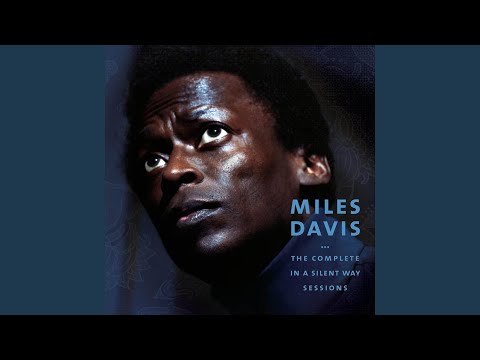
Miles Davis's 1969 album, 'In a Silent Way,' isn't just a record; it's a seismic event in 20th-century music. Released on Columbia Records, it marked a pivotal departure from Davis's earlier acoustic jazz explorations, ushering in the era of jazz fusion. This double-LP is characterized by its atmospheric textures, modal improvisations, and a groundbreaking use of electric instruments, laying the groundwork for much of the experimental music that followed. It's essential listening for anyone interested in the evolution of jazz, rock, and electronic music.
🗓️ Historical Context: The Birth of Jazz Fusion
The late 1960s were a crucible of musical experimentation. Rock music was becoming increasingly complex, and jazz artists like Miles Davis were looking for new sonic palettes. 'In a Silent Way' emerged from this fertile ground, directly challenging the established boundaries of jazz. It was a bold statement, integrating elements of rock's rhythmic drive and electronic timbres with jazz's improvisational freedom. This album, along with Bitches Brew (released later in 1970), is widely credited with igniting the jazz fusion movement, a genre that would dominate jazz charts for years.
🎧 Key Tracks & Their Significance
The album's two extended pieces, 'Shhh/Peaceful' and 'In a Silent Way/It's About That Time,' are masterclasses in sonic architecture. 'Shhh/Peaceful' builds from a simple, hypnotic bassline and sparse electric piano into a swirling vortex of sound, featuring Davis's signature muted trumpet. 'In a Silent Way/It's About That Time' is even more expansive, with Zawinul's ethereal electric piano and McLaughlin's searing guitar solos weaving through the modal framework. These tracks aren't just songs; they are sonic journeys that demand deep listening.
⭐ The Vibepedia Vibe Score: 92/100
With a Vibepedia Vibe Score of 92/100, 'In a Silent Way' registers as a near-perfect fusion of artistic vision and cultural impact. This score reflects its immense influence on subsequent genres, its critical acclaim, and its enduring power to captivate listeners decades later. It represents a peak moment in Miles Davis's career and a foundational text for the entire jazz fusion canon. The album's innovative spirit and sonic depth continue to resonate, making it a vital piece of musical history.
🤔 Critical Reception & Enduring Legacy
Upon its release, 'In a Silent Way' was met with a mixture of awe and confusion. While some critics lauded its innovation and atmospheric beauty, others found its departure from traditional jazz jarring. However, time has solidified its status as a masterpiece. It consistently appears on 'greatest albums of all time' lists and is considered a cornerstone of the jazz fusion genre. Its influence can be heard in the work of countless musicians, from Herbie Hancock to Pat Metheny.
💡 Influences and Innovations
The album's innovations are manifold. Miles Davis's decision to embrace electric instruments like the Fender Rhodes piano and electric guitar was revolutionary for a jazz artist of his stature. The compositional approach, with its emphasis on mood and texture over traditional song structures, was deeply influential. Furthermore, the improvisational interplay between Davis, Wayne Shorter, John McLaughlin, and Chick Corea showcased a new kind of collaborative energy, blending composed sections with spontaneous invention.
🎚️ Production & Engineering Marvels
The production of 'In a Silent Way' by Teo Macero is as legendary as the music itself. Macero famously employed tape-splicing techniques, editing together disparate takes and improvisations to create the album's seamless, flowing soundscapes. This was groundbreaking for its time, treating the recording studio not just as a capture device but as an instrument in itself. The resulting sonic clarity and atmospheric depth were unprecedented, setting a new standard for album production.
🚀 Where to Experience 'In a Silent Way' Today
Experiencing 'In a Silent Way' today is best done through high-fidelity audio playback. Seek out the original Columbia Records vinyl pressing for an authentic listening experience, or explore the remastered CD and digital versions, which often include bonus material. Many jazz clubs and listening lounges occasionally feature full album playback nights, offering a communal way to appreciate its immersive qualities. For those interested in its creation, documentaries on Miles Davis often delve into the recording sessions of this seminal work.
Key Facts
- Year
- 1970
- Origin
- Columbia Records
- Category
- Music History / Jazz Fusion
- Type
- Album
Frequently Asked Questions
What makes 'In a Silent Way' different from Miles Davis's earlier work?
'In a Silent Way' marked Miles Davis's significant pivot towards electric instrumentation and rock-influenced rhythms, a departure from his earlier acoustic jazz and modal periods. The album embraces atmospheric textures, extended improvisations, and a more ambient, less overtly structured approach to composition, laying the foundation for jazz fusion.
Who were the key musicians involved in 'In a Silent Way'?
The album features a stellar lineup including Miles Davis on trumpet, Wayne Shorter on soprano saxophone, John McLaughlin on electric guitar, Herbie Hancock and Chick Corea on electric piano, Joe Zawinul on electric piano, Dave Holland on bass, and Tony Williams on drums. The interplay between these virtuosos is a defining characteristic of the record.
What is the significance of the production techniques used on the album?
Producer Teo Macero employed innovative tape-editing techniques, piecing together various improvisations and takes to create the album's cohesive, flowing sound. This studio manipulation was groundbreaking, treating the recording process as a compositional tool and contributing significantly to the album's unique, ethereal atmosphere.
Is 'In a Silent Way' considered a jazz album or a rock album?
It's considered a foundational album of jazz fusion, a genre that deliberately blends elements of jazz improvisation and harmony with the instrumentation, rhythms, and energy of rock music. It transcends simple categorization, existing at the exciting intersection of both styles.
Where does 'In a Silent Way' rank in Miles Davis's discography?
It is widely regarded as one of Miles Davis's most important and influential albums, marking a critical turning point in his career and in the history of modern music. Alongside 'Bitches Brew,' it is central to his electric period and the birth of jazz fusion.
What are the main themes or moods conveyed by the music?
The album is known for its introspective, meditative, and often spacious moods. It evokes a sense of calm, contemplation, and sonic exploration, with layers of sound that invite listeners into a deeply immersive experience.