
Contents
Overview
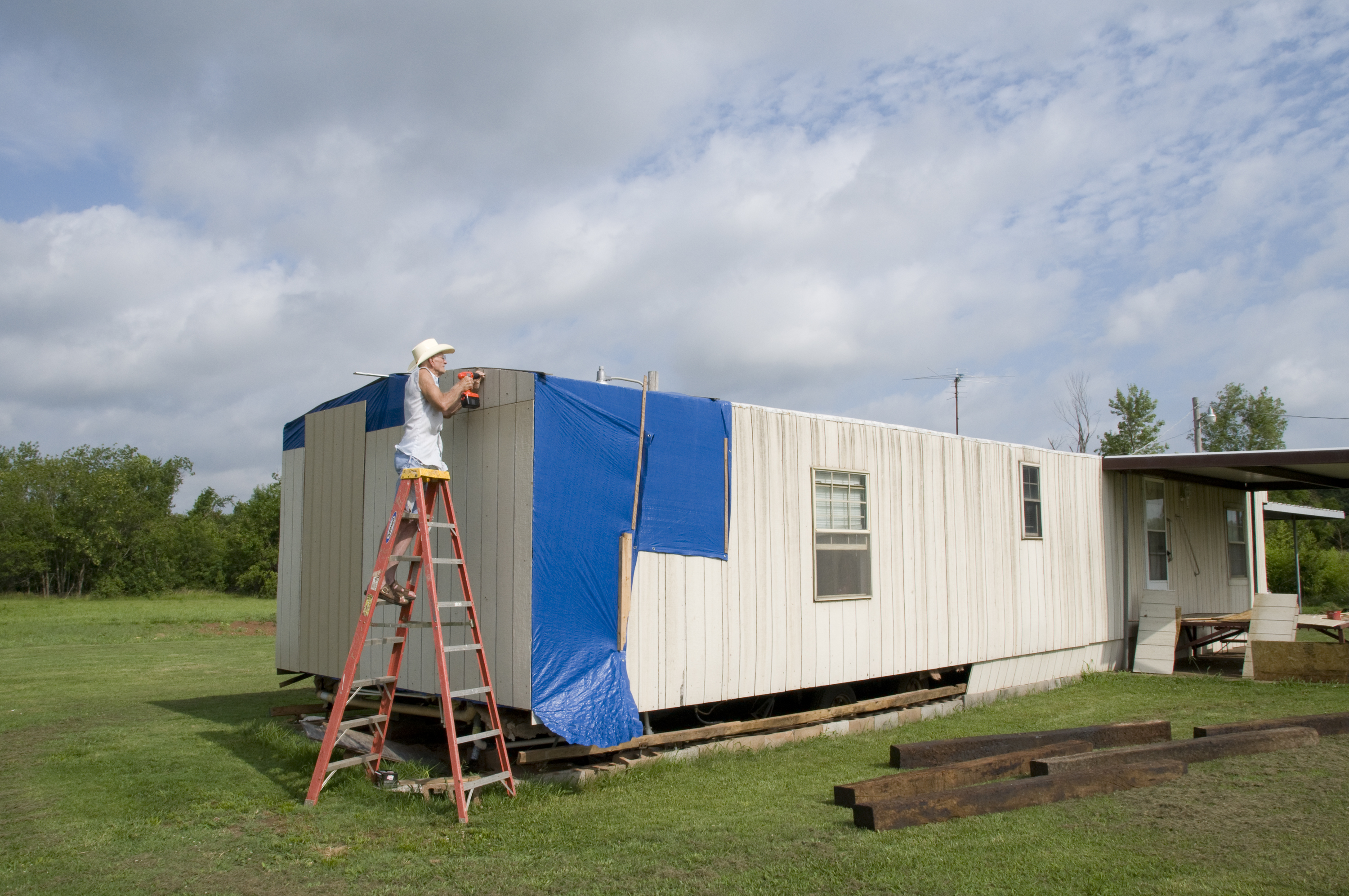
Home repair encompasses the identification and resolution of issues within a residential structure. While many homeowners tackle repairs themselves through DIY projects, complex, time-consuming, or hazardous tasks often necessitate professional intervention from handypeople, property managers, or specialized contractors. The economic calculus of repair can sometimes favor outright renovation or system upgrades, especially when dealing with aging, inefficient, or failing components. This field intersects with architecture, engineering, and consumer economics, reflecting the constant battle against entropy in the built environment. From a simple plumbing fix to a major structural intervention, home repair is a fundamental aspect of property ownership and management, impacting everything from safety and comfort to resale value.
🎵 Origins & History
The practice of home repair is as old as the concept of a permanent dwelling itself. Early humans, constructing shelters from natural materials, undoubtedly engaged in rudimentary repairs to maintain their homes against the elements. As societies developed and housing became more sophisticated, so too did the methods and complexity of repair. The Industrial Revolution, with its mass production of building materials and tools, further democratized repair, making it more accessible to the average homeowner. Publications like Popular Mechanics and the availability of standardized hardware helped transform home repair into a common household activity.
⚙️ How It Works
At its core, home repair involves a diagnostic process followed by an intervention. The diagnosis typically starts with identifying the symptom – a leak, a crack, a malfunction – and then tracing it to its root cause. This might involve understanding the principles of fluid dynamics for a leaky pipe, the structural integrity of concrete for a foundation crack, or the electrical pathways for a faulty appliance. The intervention then employs specific tools and materials – wrenches for plumbing, drywall compound for wall damage, soldering irons for electrical work – to rectify the problem. The success of a repair hinges on accurate diagnosis, appropriate technique, and the use of compatible materials, often guided by building codes and manufacturer specifications. For instance, repairing a roof might involve understanding shingle types, underlayment, and proper sealing techniques to prevent water ingress.
📊 Key Facts & Numbers
The global home repair market is a colossal economic engine. Globally, the home repair and maintenance sector is driven by an aging housing stock and increasing homeowner engagement. Common tasks for homeowners include fixing leaky faucets, repairing drywall, and addressing minor electrical issues.
👥 Key People & Organizations
While home repair is a broad field, certain organizations have significantly shaped its practice and cultural perception. Companies such as The Home Depot and Lowe's have become ubiquitous retail giants, providing homeowners with access to tools, materials, and advice. Online platforms like YouTube.com and Reddit.com (specifically subreddits like r/homeimprovement) have become massive repositories of user-generated repair guides and community support, democratizing knowledge further.
🌍 Cultural Impact & Influence
Home repair is deeply woven into the fabric of modern culture, reflecting themes of self-reliance, property ownership, and the ongoing negotiation with the physical world. The DIY ethos, heavily promoted through media and retail, celebrates the satisfaction of fixing one's own problems and saving money. Conversely, the need for professional repair highlights the value of specialized expertise and the economic disparities that can exist in accessing skilled labor. Home repair narratives often appear in popular culture, from sitcom plots involving DIY attempts to documentaries showcasing the restoration of historic homes. The ability to maintain and repair one's home is often seen as a marker of responsible adulthood and financial stability, influencing social perceptions and personal identity.
⚡ Current State & Latest Developments
The current landscape of home repair is characterized by increasing technological integration and a growing emphasis on sustainability. Smart home technology is making diagnostics more automated, with sensors that can detect leaks, monitor energy usage, and even predict potential equipment failures. 3D printing is beginning to offer custom-fit replacement parts for older appliances and fixtures, circumventing obsolescence. Furthermore, there's a significant push towards eco-friendly repair solutions, such as using low-VOC paints, sustainable insulation materials, and water-saving fixtures, aligning with broader concerns about climate change and resource conservation. The rise of online marketplaces and on-demand service platforms like Thumbtack.com is also streamlining the process of finding and hiring qualified professionals, making repairs more accessible and efficient than ever before.
🤔 Controversies & Debates
The most persistent controversy in home repair revolves around the DIY versus professional debate, particularly concerning safety and efficacy. Critics argue that unqualified DIYers can create more significant problems, leading to costly secondary repairs or even safety hazards like electrical fires or structural failures. The 'gig economy' model for hiring handypeople also faces scrutiny regarding worker classification, fair wages, and the consistency of service quality. Another point of contention is the planned obsolescence of consumer goods and home appliances; many argue that products are designed to fail, forcing costly repairs or premature replacement, which fuels a cycle of consumption and waste. The ethical implications of recommending expensive upgrades over simple repairs also arise, particularly when homeowners may not fully understand the long-term costs and benefits.
🔮 Future Outlook & Predictions
The future of home repair points towards greater automation, predictive maintenance, and increased integration with Building Information Modeling (BIM) and IoT devices. Expect to see more homes equipped with integrated diagnostic systems that alert homeowners to issues before they become critical, potentially leveraging AI to analyze patterns and predict failures. Robotics may eventually play a role in performing routine or hazardous repairs. Furthermore, the sustainability aspect will likely intensify, with a focus on circular economy principles, repairability scores for products, and the development of advanced, eco-friendly repair materials. The role of the human repair professional will likely shift towards more complex problem-solving, oversight of automated systems, and specialized installations rather than routine fixes.
💡 Practical Applications
Home repair has a vast array of practical applications that touch nearly every aspect of property ownership. For homeowners, it's about maintaining the safety, comfort, and value of their largest asset. This includes fixing a leaky roof to prevent water damage, repairing a faulty furnace to ensure warmth in winter, or replacing worn-out flooring for aesthetic and functional reasons. For landlords and property managers, effective home repair is crucial for tenant satisfaction, minimizing vacancies, and complying with housing regulations. In the commercial sector, building maintenance and repair are essential for operational continuity and safety compliance in offices, retail spaces, and industrial facilities. Even in historical preservation, meticulous home repair techniques are employed to maintain the integrity and authenticity of significant structures.
Key Facts
- Category
- technology
- Type
- topic