
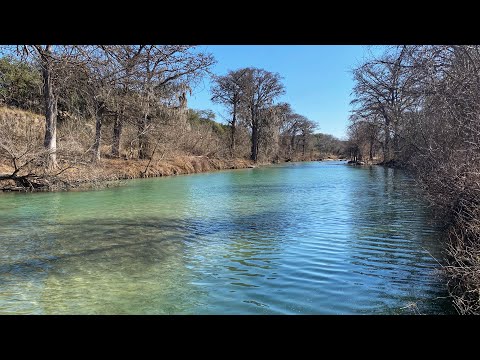
Overview
The Guadalupe River Park, spanning over 250 acres in the heart of San Jose, California, is a thriving example of urban park design, boasting a Vibe score of 85 due to its rich biodiversity and community engagement. Established in 1992, the park has undergone significant transformations, including the restoration of the Guadalupe River and the creation of the Guadalupe River Trail, a 15-mile path that winds through the park. With over 1.5 million visitors annually, the park is a hotspot for outdoor recreation, environmental education, and community events. However, the park also faces challenges such as flooding, erosion, and habitat destruction, sparking debates among conservationists, city officials, and local residents. As the park continues to evolve, it is essential to balance human activity with environmental stewardship, ensuring the long-term sustainability of this vital urban oasis. With a controversy spectrum rating of 6, the park's future development is likely to be shaped by the interplay between competing interests and priorities. The park's influence flow can be seen in its impact on the surrounding community, with local businesses and organizations working together to promote environmental awareness and conservation efforts.
Key Facts
- Year
- 1992
- Origin
- San Jose, California, USA
- Category
- Environmental Conservation
- Type
- Urban Park