
Contents
Overview
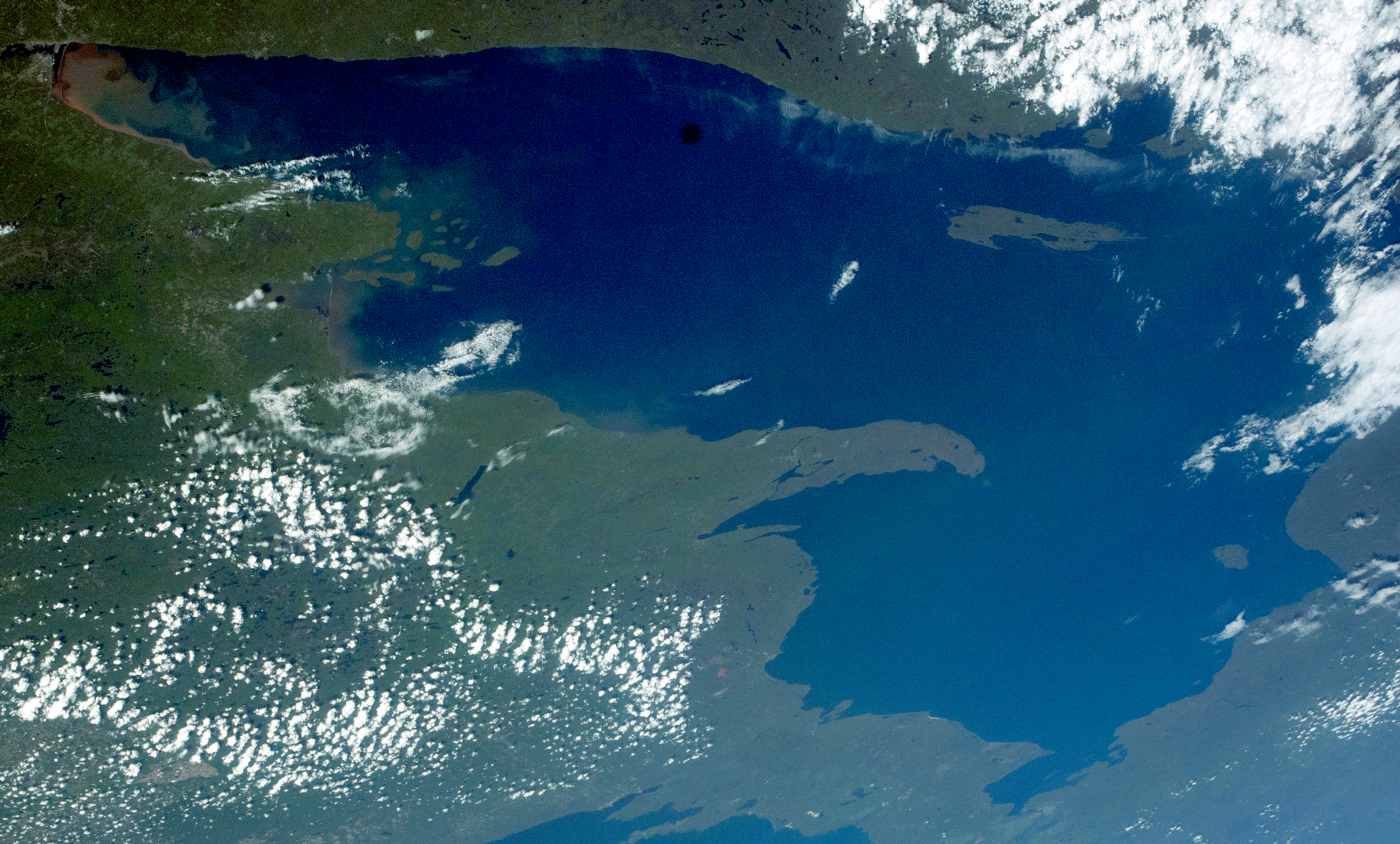
Lake Superior, the largest freshwater lake by surface area globally, is the crown jewel of the Great Lakes system, straddling the border between Canada and the United States. Its immense volume, holding approximately 10% of the world's surface fresh water, shapes regional climate, supports vital ecosystems, and has been a critical artery for commerce and culture for millennia. From its ancient geological origins to its modern challenges of pollution and climate change, Superior's story is one of raw power, ecological significance, and enduring human connection. Its depths hold mysteries, its shores witness history, and its future is inextricably linked to the health of the planet.
🎵 Origins & History
Indigenous peoples, including the Anishinaabe (Ojibwe), have inhabited its shores for millennia, viewing it as a sacred entity. The Anishinaabe (Ojibwe) often referred to Lake Superior as 'Gichigami' or 'Gitche Gumee' – 'Great Sea'. European exploration began in the early 17th century. The lake's strategic importance for the fur trade quickly became apparent, with French and later British traders establishing posts and routes along its vast coastline, shaping early North American settlement patterns.
⚙️ How It Works
Lake Superior functions as the headwaters of the Great Lakes system. Superior drains eastward through the St. Marys River into Lake Huron. The lake's water levels are influenced by precipitation, evaporation, and outflow rates, managed in part by the International Joint Commission to balance ecological needs and human uses, a complex engineering feat involving dams and control structures like the Sault Ste. Marie Locks.
📊 Key Facts & Numbers
Superior's sheer scale is staggering. The lake's shoreline stretches for 2,726 miles, longer than the entire Pacific coast of the contiguous United States. Annually, it receives an average of 27 inches of precipitation, but evaporation rates are significantly lower than other Great Lakes due to its cold temperatures, contributing to its high water levels. The lake's water temperature rarely exceeds 55°F (13°C) even in summer, with surface temperatures often hovering around 40°F (4°C).
👥 Key People & Organizations
Key figures in understanding and managing Lake Superior include Charles Lang Peck, who championed its preservation in the late 19th century. The Great Lakes Commission, the U.S. Environmental Protection Agency (EPA), and Environment Canada are critical governmental bodies overseeing its health. Indigenous leaders, such as those from the Red Cliff Band of Lake Superior Chippewa, continue to advocate for its protection and traditional stewardship. Shipping magnates like Henry Ford and Andrew Carnegie benefited immensely from its role in transporting iron ore and other resources, shaping the industrial development of the region through companies like U.S. Steel.
🌍 Cultural Impact & Influence
The cultural resonance of Lake Superior is profound. It inspired Henry Wadsworth Longfellow's epic poem The Song of Hiawatha, immortalizing its Ojibwe name, 'Gitche Gumee'. Its dramatic cliffs, pristine waters, and rugged coastline have made it a subject for countless artists, photographers, and filmmakers, contributing to the romanticized image of the 'North Country'. The lake has been central to the identity and livelihoods of communities for centuries, from Indigenous fishing traditions to the modern tourism industry centered around national parks like Isle Royale National Park. Its presence dictates regional weather patterns, influencing everything from agricultural growing seasons to the frequency of lake-effect snow, embedding it deeply into the cultural fabric of the surrounding states and provinces.
⚡ Current State & Latest Developments
In 2024, Lake Superior faces ongoing challenges. The Great Lakes Water Quality Agreement continues to guide binational efforts to restore and protect the lake, with recent focus on reducing phosphorus runoff and combating invasive species like the sea lamprey. Climate change is a growing concern, with potential impacts on water levels, ice cover duration, and the frequency of extreme weather events. The Minnesota Pollution Control Agency and its counterparts in Wisconsin, Michigan, Ontario, and other jurisdictions are monitoring water quality, particularly concerning emerging contaminants such as microplastics and PFAS. Shipping traffic, though less dominant than in past industrial booms, remains a significant economic activity, necessitating continued vigilance regarding ballast water management to prevent the introduction of new invasive species.
🤔 Controversies & Debates
The ecological health of Lake Superior is a subject of persistent debate. While significant progress has been made in reducing point-source pollution from industrial discharge and sewage treatment, non-point-source pollution from agricultural runoff and urban stormwater remains a major challenge, contributing to algal blooms and oxygen-depleted zones. The economic imperative of shipping and resource extraction, particularly iron ore mining, often clashes with conservation goals, creating tension between industrial interests and environmental advocacy groups like the Sierra Club. Furthermore, the long-term impacts of climate change on the lake's delicate ecosystem, including potential shifts in fish populations and increased shoreline erosion, are subjects of ongoing scientific inquiry and public concern.
🔮 Future Outlook & Predictions
The future of Lake Superior hinges on continued international cooperation and adaptive management strategies. Projections suggest that climate change could lead to more variable water levels, potentially impacting shipping and coastal infrastructure, while also altering aquatic habitats. Efforts to control invasive species will likely intensify, with ongoing research into new methods of eradication and prevention. The push for renewable energy sources in the surrounding region may reduce reliance on fossil fuels, indirectly benefiting the lake's water quality. Furthermore, a growing awareness of the lake's cultural and ecological significance could lead to enhanced protection measures and a greater emphasis on Indigenous knowledge in its stewardship, potentially redefining its role from an industrial resource to a protected natural heritage site.
💡 Practical Applications
Lake Superior's primary practical application is its role as a massive source of freshwater, supplying drinking water to millions across North America. It is a critical corridor for Great Lakes shipping, facilitating the transport of bulk commodities like iron ore, grain, and coal, which are essential to the economies of both the United States and Canada. The lake supports significant commercial and recreational fishing industries, though these are carefully managed to ensure sustainability. Its scenic beauty and recreational opportunities, including boating, fishing, and hiking, drive a substantial tourism sector. Furthermore, the lake's immense water volume plays a role in regulating regional climate, moderating temperatures and influencing precipitation patterns across the upper Midwest and Ontario.
Key Facts
- Category
- nature
- Type
- topic